Chicken VS Okra
A detailed nutritional comparison

Chicken
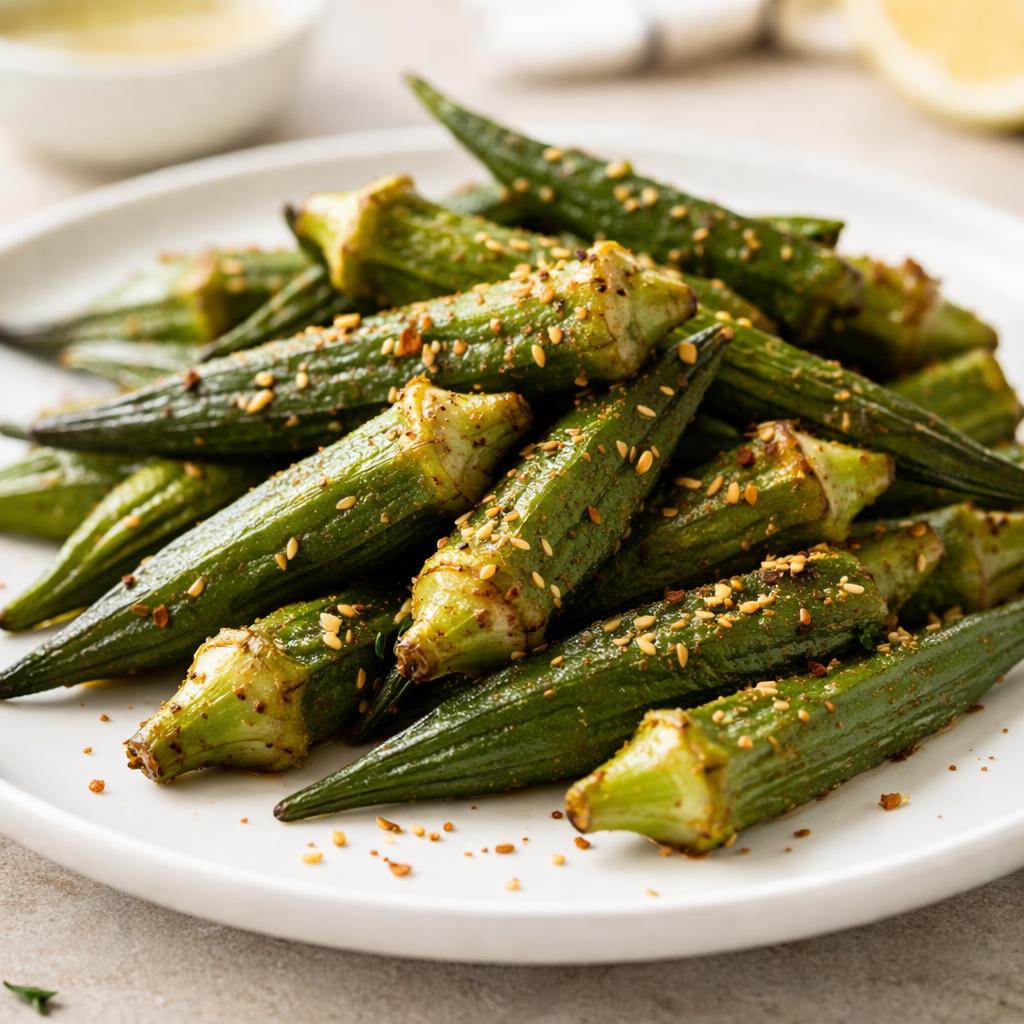
Okra
🎯 Quick Verdict
Chicken (food1) is an excellent source of complete protein, making it ideal for muscle building and post-workout recovery, while okra (food2) stands out for its high fiber content and lower calorie count, which are great for maintaining digestive health and managing weight. Both foods are versatile and fit into different diet goals, depending on your needs for protein or micronutrients like vitamins and fiber.

Smart Nutrition Tracking with SnapCalorie

📊 Nutritional Comparison
Macronutrients
| Nutrient | Food 1 | Food 2 | Winner |
|---|---|---|---|
| Calories | 165 per 100g | 33 per 100g | ✓ |
| Protein | 31g per 100g | 2g per 100g | ✓ |
| Carbs | 0g per 100g | 7g per 100g | ✓ |
| Fat | 3.6g per 100g | 0.2g per 100g | ✓ |
| Fiber | 0g per 100g | 3g per 100g | ✓ |
Vitamins & Minerals
| Nutrient | Food 1 | Food 2 | Winner |
|---|---|---|---|
| Vitamin C | 0mg | 23mg per 100g | ✓ |
| Vitamin D | 0.3mcg | 0mcg | ✓ |
| Calcium | 15mg per 100g | 82mg per 100g | ✓ |
| Iron | 1.3mg per 100g | 0.6mg per 100g | ✓ |
🏆 Category Winners
Protein
Chicken is a complete protein source with 31g per 100g, far outpacing okra’s 2g per 100g.
Fiber
Okra provides 3g of fiber per 100g, compared to 0g in chicken, supporting better digestion.
Calories
Okra contains only 33 calories per 100g, making it significantly lower in calories than chicken.
Vitamins
Okra is rich in Vitamin C and provides higher calcium levels, while chicken contains Vitamin D and more iron.
🥗 Diet Compatibility
Keto
Food 1: Compatible
Food 2: Compatible
Both foods are low in carbs, with chicken containing 0g and okra 7g per 100g.
Vegan
Food 1: Not Compatible
Food 2: Compatible
Okra is plant-based, while chicken is animal-based.
Gluten Free
Food 1: Compatible
Food 2: Compatible
Neither food contains gluten, making both suitable for gluten-free diets.
Paleo
Food 1: Compatible
Food 2: Compatible
Both foods align with the paleo diet principles of whole, natural foods.
Low-Carb
Food 1: Compatible
Food 2: Compatible
Chicken contains 0g net carbs and okra contains 4g net carbs per 100g after accounting for fiber.
💪 Health Benefits Comparison
Food 1 Benefits
- High-quality complete protein for muscle growth and repair
- Low-carb option suitable for weight loss and low-carb diets
- Contains iron to support red blood cell production
Food 2 Benefits
- Rich in fiber for improved digestion and gut health
- High Vitamin C content boosts immunity and skin health
- Low-calorie food that supports weight management
✅ The Bottom Line
Choose chicken (food1) for high-protein needs, post-workout recovery, or muscle maintenance. Opt for okra (food2) if you're targeting improved digestion, lower calorie consumption, or added vitamins like Vitamin C and calcium. Both have their unique nutritional roles in a balanced diet.
Choose Food 1 for: High-protein diets, muscle building, post-workout recovery
Choose Food 2 for: Weight management, improved digestion, vitamin-rich side dish


