Chicken VS Mustard
A detailed nutritional comparison
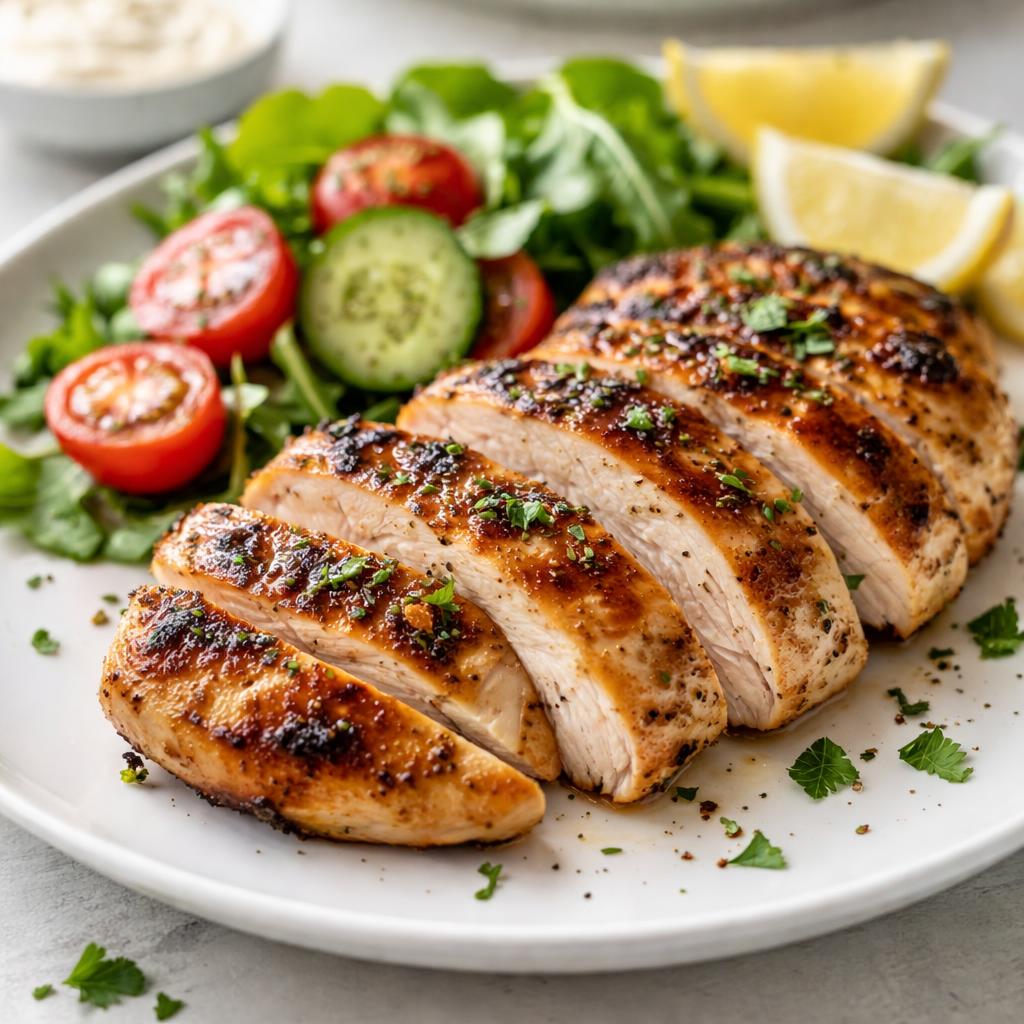
Chicken
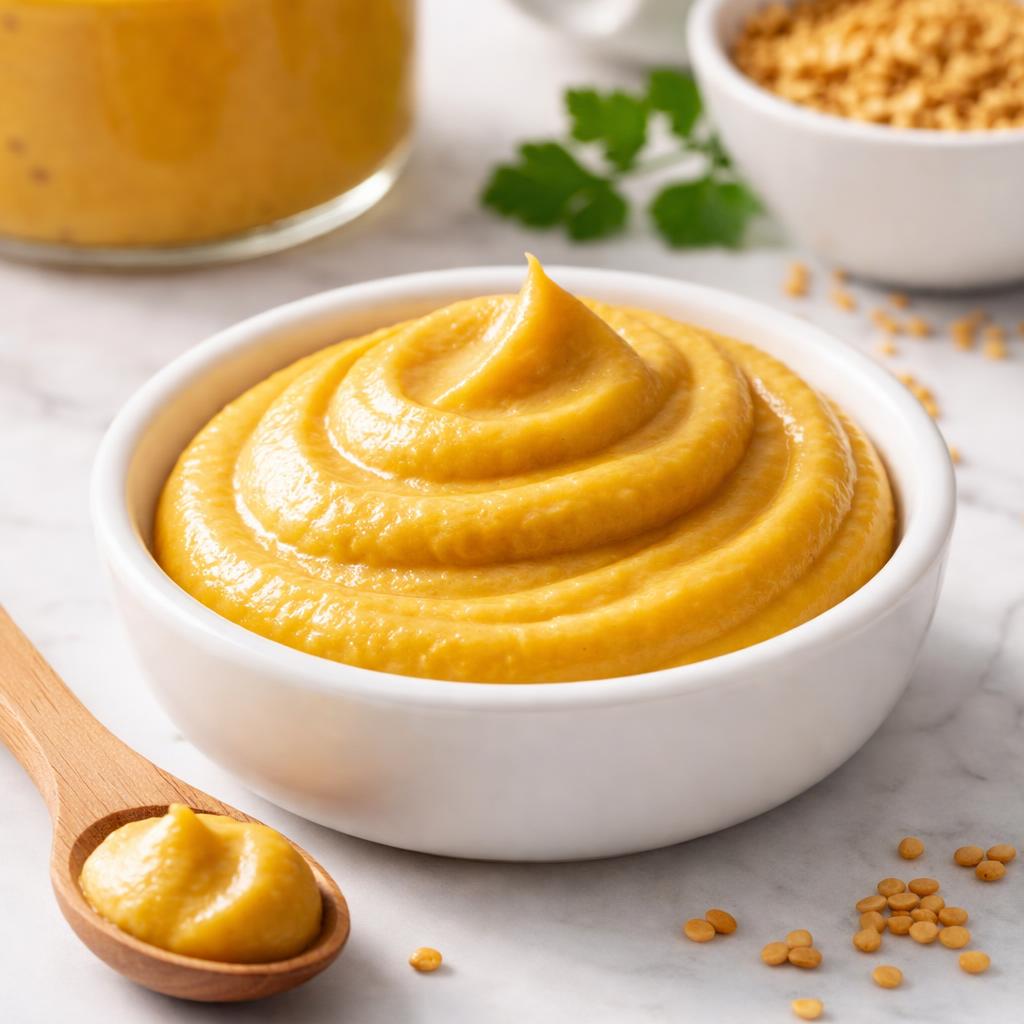
Mustard
🎯 Quick Verdict
Chicken is a high-protein, low-carb food that's ideal for building muscle and weight management, while mustard is a condiment with minimal calories and a small amount of beneficial nutrients. Both are versatile, with chicken being a primary protein choice and mustard adding flavor without significant caloric impact.

Smart Nutrition Tracking with SnapCalorie

📊 Nutritional Comparison
Macronutrients
| Nutrient | Food 1 | Food 2 | Winner |
|---|---|---|---|
| Calories | 165 per 100g | 5 per teaspoon (6g) | ✓ |
| Protein | 31g per 100g | 0.2g per teaspoon (6g) | ✓ |
| Carbs | 0g per 100g | 0.1g per teaspoon (6g) | ✓ |
| Fat | 3.6g per 100g | 0g per teaspoon (6g) | ✓ |
| Fiber | 0g per 100g | 0.1g per teaspoon (6g) | − |
Vitamins & Minerals
| Nutrient | Food 1 | Food 2 | Winner |
|---|---|---|---|
| Vitamin D | 0.1mcg per 100g | 0mcg per teaspoon (6g) | ✓ |
| Calcium | 13mg per 100g | 4mg per teaspoon (6g) | ✓ |
| Iron | 1mg per 100g | 0.1mg per teaspoon (6g) | ✓ |
🏆 Category Winners
Protein
Chicken contains 31g of protein per 100g, while mustard contains almost none.
Fiber
Both chicken and mustard have negligible fiber content.
Calories
Mustard has far fewer calories, aiding calorie-conscious diets.
🥗 Diet Compatibility
Keto
Food 1: Compatible
Food 2: Compatible
Both chicken and mustard are low-carb and fit keto guidelines.
Vegan
Food 1: Not Compatible
Food 2: Compatible
Chicken is animal-based, while mustard is plant-based.
Gluten Free
Food 1: Compatible
Food 2: May Not Be Compatible
Chicken is naturally gluten-free, mustard may contain additives with gluten.
Paleo
Food 1: Compatible
Food 2: Compatible
Both align with paleo principles when mustard is minimally processed.
Low-Carb
Food 1: Compatible
Food 2: Compatible
Both chicken and mustard are low in carbs.
💪 Health Benefits Comparison
Food 1 Benefits
- Excellent source of lean protein for muscle growth and repair
- Low-calorie and low-fat, supporting weight loss
- Contains vitamins and minerals such as B vitamins and iron for energy production
Food 2 Benefits
- Low in calories, helps enhance flavor without increasing caloric intake
- Contains trace antioxidants, supporting cellular health
- Can add tangy flavor to meals, reducing the need for higher-calorie condiments
✅ The Bottom Line
Chicken is ideal for high-protein, nutrient-dense meals with various cooking methods, while mustard is perfect as a calorie-light flavor enhancer. Pair them for a balanced meal with minimal calorie impact.
Choose Food 1 for: Muscle building, weight management, high-protein diets
Choose Food 2 for: Flavor enhancement, calorie-conscious diets, plant-based condiments


