Chicken VS Mexican Rice
A detailed nutritional comparison
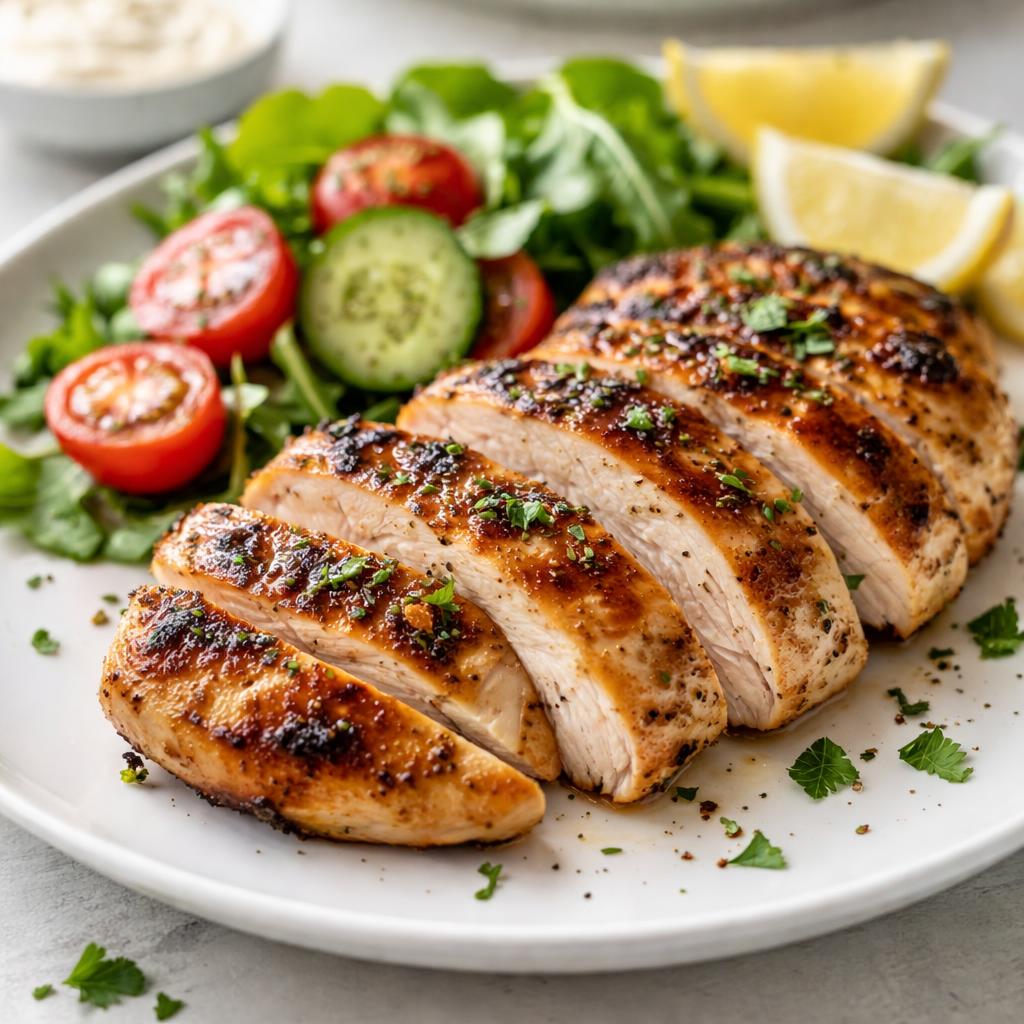
Chicken
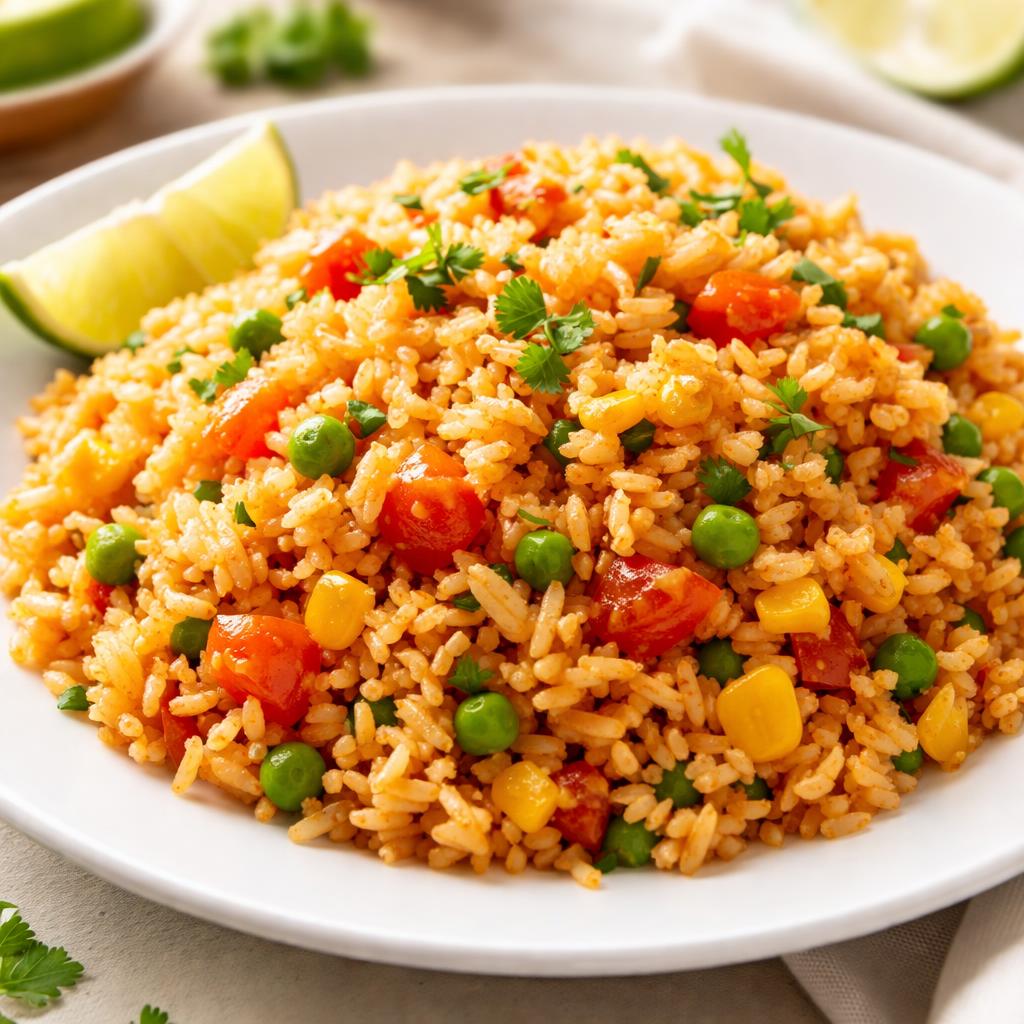
Mexican Rice
🎯 Quick Verdict
Chicken has significantly more protein and fewer calories compared to Mexican rice, making it ideal for muscle building or weight loss diets. Mexican rice, on the other hand, is higher in fiber and carbs, which can provide sustained energy and be useful for active individuals or balanced meals. Both have distinct nutritional strengths depending on dietary goals.

Smart Nutrition Tracking with SnapCalorie

📊 Nutritional Comparison
Macronutrients
| Nutrient | Food 1 | Food 2 | Winner |
|---|---|---|---|
| Calories | 165 | 210 | ✓ |
| Protein | 31g | 4g | ✓ |
| Carbs | 0g | 40g | ✓ |
| Fat | 3.5g | 6g | ✓ |
| Fiber | 0g | 2g | ✓ |
Vitamins & Minerals
| Nutrient | Food 1 | Food 2 | Winner |
|---|---|---|---|
| Vitamin B6 | 0.6mg | 0.2mg | ✓ |
| Niacin (Vitamin B3) | 14.8mg | 4.8mg | ✓ |
| Potassium | 256mg | 220mg | ✓ |
🏆 Category Winners
Protein
Chicken provides 775% more protein per serving compared to Mexican rice.
Fiber
Mexican rice provides 2g of fiber while chicken contains none.
Calories
Chicken has 21% fewer calories per serving compared to Mexican rice.
🥗 Diet Compatibility
Keto
Food 1: Compatible
Food 2: Not Compatible
Chicken is low-carb while Mexican rice contains 40g carbs per serving.
Vegan
Food 1: Not Compatible
Food 2: Compatible
Chicken is animal-based, while Mexican rice is plant-based.
Gluten Free
Food 1: Compatible
Food 2: Compatible
Both foods are naturally gluten-free when prepared without additives.
Paleo
Food 1: Compatible
Food 2: Not Compatible
Chicken is paleo-friendly, but Mexican rice is not due to grains.
Low Carb
Food 1: Compatible
Food 2: Not Compatible
Chicken has zero carbs, making it suitable for low-carb diets, unlike Mexican rice.
💪 Health Benefits Comparison
Food 1 Benefits
- Excellent source of lean protein for muscle growth and repair
- Low in calories, supporting weight management
- Rich in Vitamin B6 and niacin, which boost energy metabolism
Food 2 Benefits
- Provides complex carbohydrates for sustained energy
- Contains dietary fiber for improved digestion
- Good source of potassium for heart health
✅ The Bottom Line
Choose chicken for protein-rich, low-calorie meals that support muscle maintenance and weight loss. Mexican rice is better suited for energy-dense, fiber-rich meals that pair well with other nutrient-dense foods. Consider the context of your dietary goals and activity level when deciding.
Choose Food 1 for: Weight loss, high-protein diets, post-workout recovery
Choose Food 2 for: Active lifestyles, balanced meals, energy support


