Chicken VS Lemon
A detailed nutritional comparison
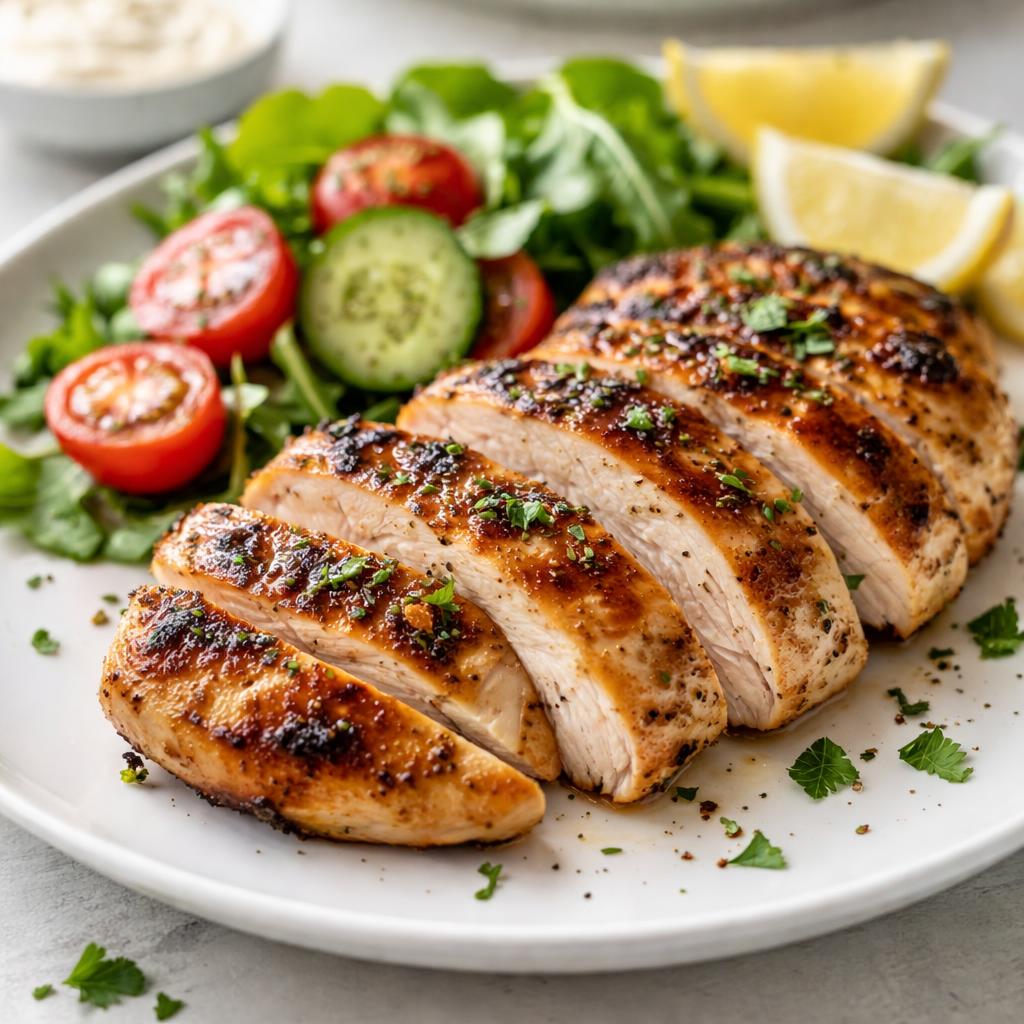
Chicken
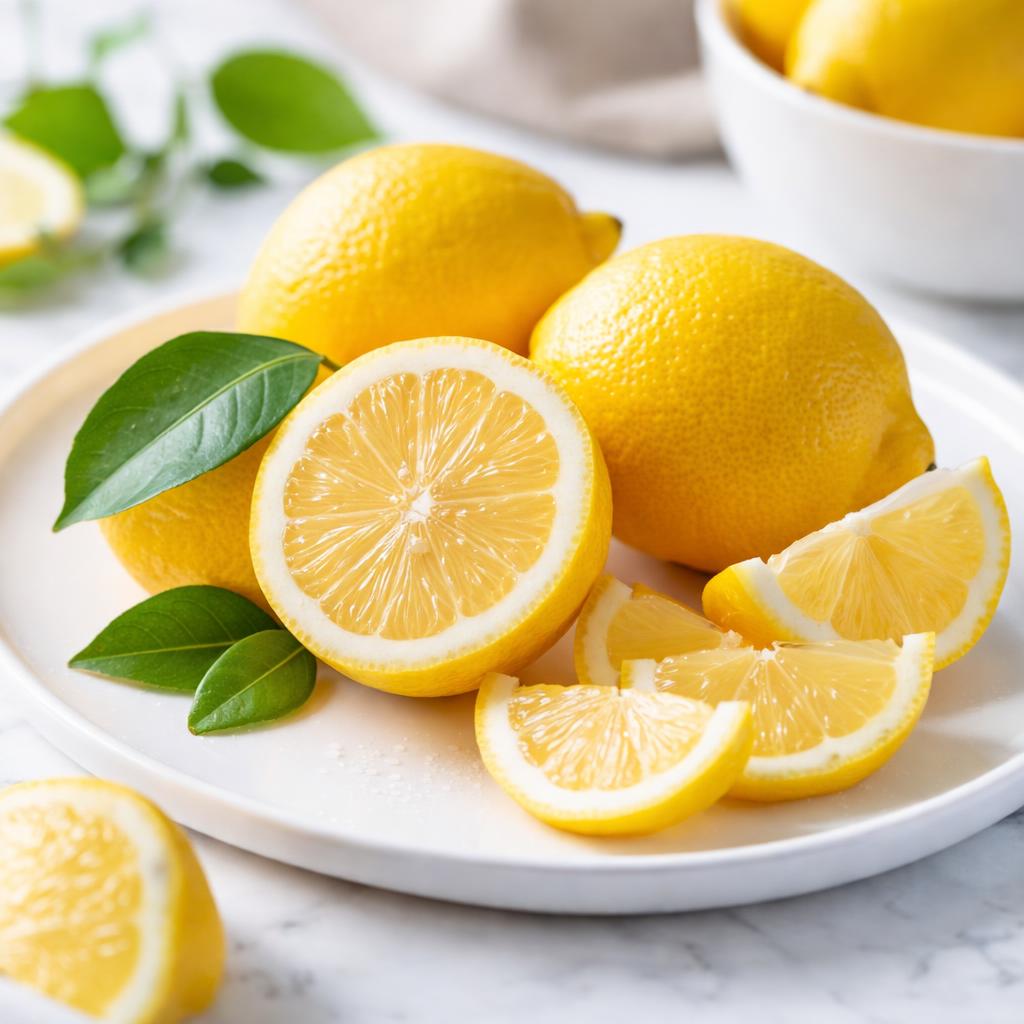
Lemon
🎯 Quick Verdict
Chicken and lemon serve vastly different nutritional purposes. Chicken is a high-protein, low-carb food ideal for muscle building and repair. Lemon, on the other hand, is low-calorie and rich in fiber, vitamin C, and antioxidants, making it great for boosting immunity and digestion. They complement different dietary needs rather than compete for the same role as a primary food source.

Smart Nutrition Tracking with SnapCalorie

📊 Nutritional Comparison
Macronutrients
| Nutrient | Food 1 | Food 2 | Winner |
|---|---|---|---|
| Calories | 165 | 29 | ✓ |
| Protein | 31g | 1g | ✓ |
| Carbs | 0g | 9g | ✓ |
| Fat | 3.6g | 0.3g | ✓ |
| Fiber | 0g | 2.8g | ✓ |
Vitamins & Minerals
| Nutrient | Food 1 | Food 2 | Winner |
|---|---|---|---|
| Vitamin C | 0mg | 53mg | ✓ |
| Vitamin D | 0.2mcg | 0mcg | ✓ |
| Calcium | 13mg | 26mg | ✓ |
| Iron | 1mg | 0.6mg | ✓ |
🏆 Category Winners
Protein
Chicken is a protein powerhouse with 31g per serving compared to only 1g in lemon.
Fiber
Lemon has 2.8g of fiber, while chicken contains none.
Calories
Lemon has significantly fewer calories, only 29 per serving versus 165 for chicken.
Vitamins
Lemon excels in vitamins with high Vitamin C (53mg) and calcium (26mg).
🥗 Diet Compatibility
Keto
Food 1: Compatible
Food 2: Compatible
Chicken is carb-free, and lemon is low-carb.
Vegan
Food 1: Not Compatible
Food 2: Compatible
Chicken is animal-based, while lemon is plant-based.
Gluten Free
Food 1: Compatible
Food 2: Compatible
Neither food contains gluten.
Paleo
Food 1: Compatible
Food 2: Compatible
Both foods align with paleo principles.
Low-Carb
Food 1: Compatible
Food 2: Compatible
Chicken has 0g carbs, and lemon is low in carbs with 9g.
💪 Health Benefits Comparison
Food 1 Benefits
- High-quality protein for muscle repair and growth
- Low-fat profile supports weight management
- Source of essential minerals like iron
- Low-carb, ideal for keto and paleo diets
Food 2 Benefits
- High in vitamin C for immune system support
- Rich in fiber, aiding digestion
- Low-calorie option perfect for weight loss
- Contains antioxidants for heart health
✅ The Bottom Line
Chicken is the clear winner for protein needs and muscle-building purposes, while lemon is better suited for enhancing digestion, boosting immunity, and being a low-calorie addition to meals. The two foods complement each other well in a balanced diet.
Choose Food 1 for: Muscle building, high-protein diets, weight management
Choose Food 2 for: Immune support, digestive health, low-calorie diets


