Chicken VS Kalamata Olives
A detailed nutritional comparison
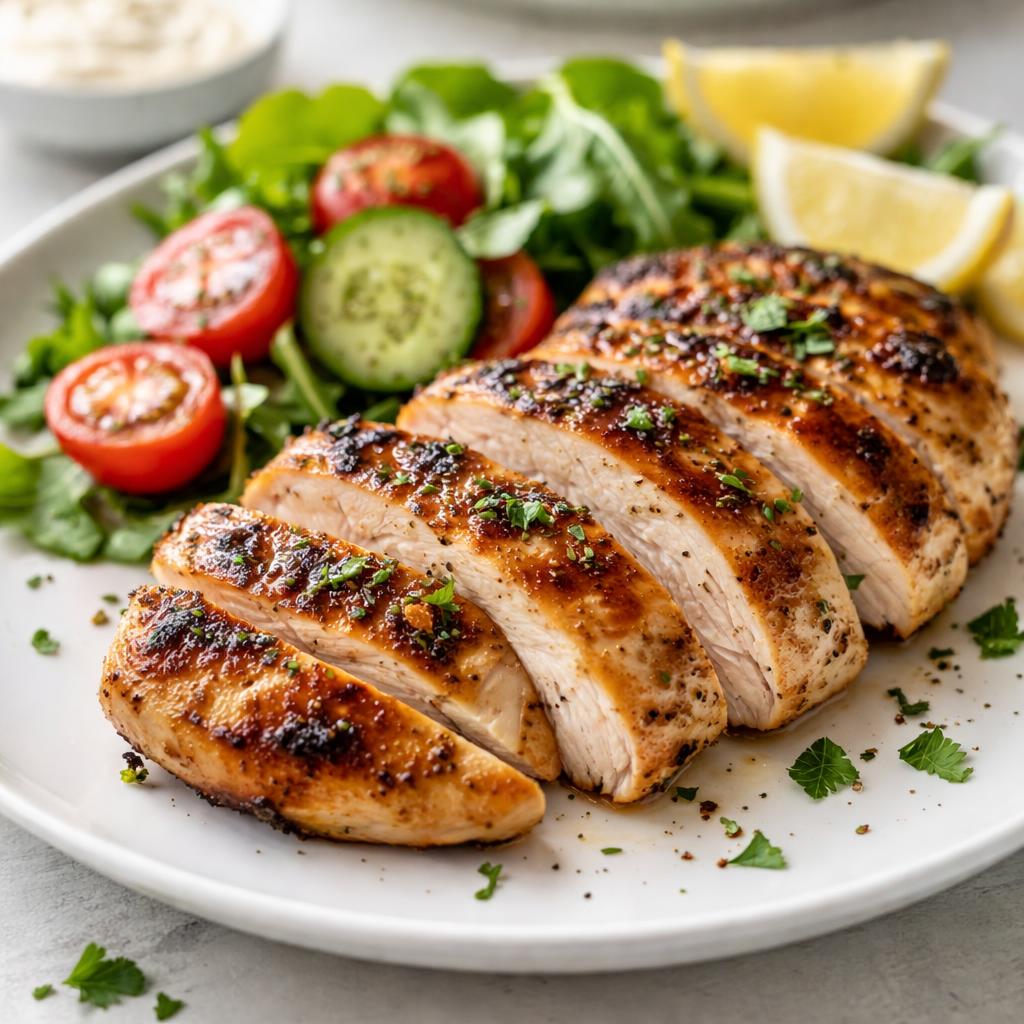
Chicken
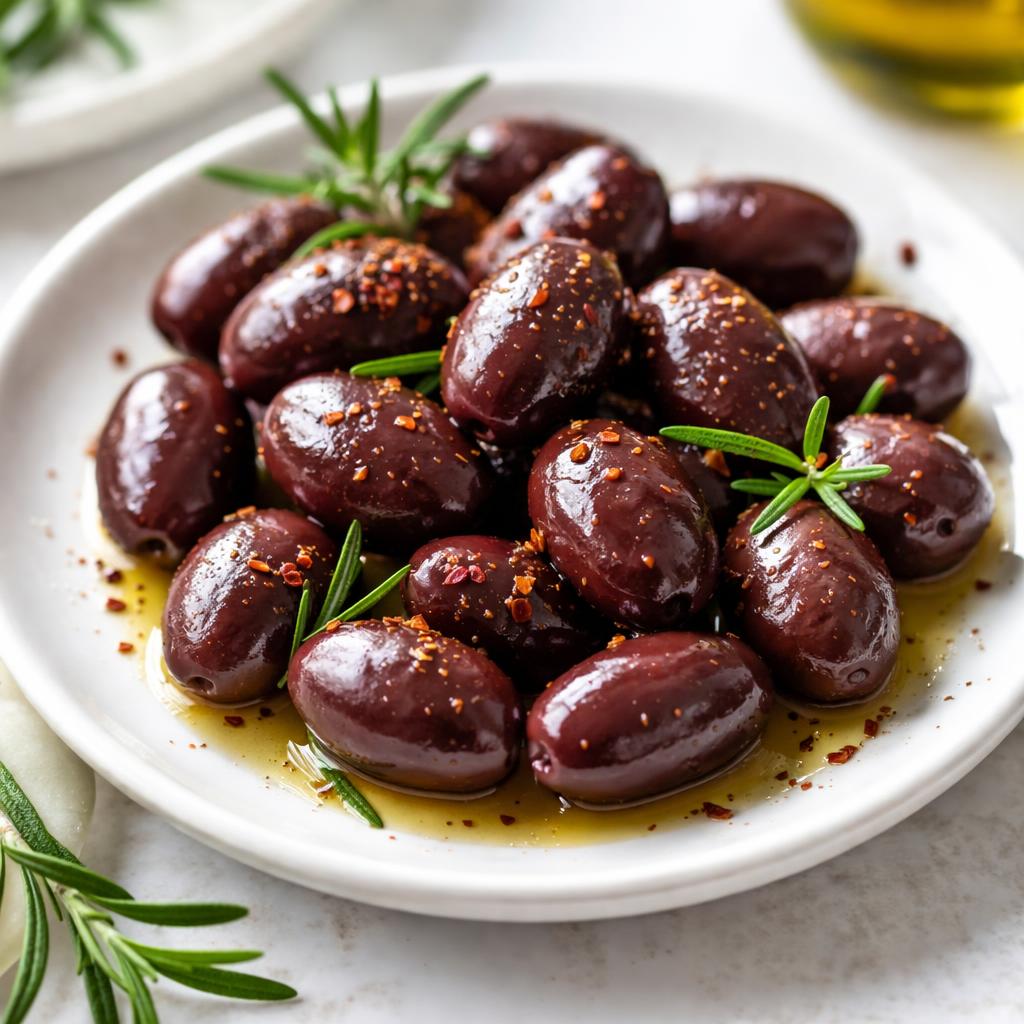
Kalamata Olives
🎯 Quick Verdict
Chicken is a far superior source of protein with a lower calorie count, making it ideal for muscle building and weight loss diets. Kalamata olives, on the other hand, are rich in healthy fats and fiber, making them a great choice for heart health and improved digestion. Both foods cater to different dietary needs and goals, and their inclusion depends on individual preferences and nutritional priorities.

Smart Nutrition Tracking with SnapCalorie

📊 Nutritional Comparison
Macronutrients
| Nutrient | Food 1 | Food 2 | Winner |
|---|---|---|---|
| Calories | 165 per 100g | 239 per 100g | ✓ |
| Protein | 31g | 2g | ✓ |
| Carbs | 0g | 6.3g | ✓ |
| Fat | 3.6g | 22g | ✓ |
| Fiber | 0g | 3.2g | ✓ |
Vitamins & Minerals
| Nutrient | Food 1 | Food 2 | Winner |
|---|---|---|---|
| Vitamin D | 0.3mcg | 0mcg | ✓ |
| Calcium | 13mg | 88mg | ✓ |
| Iron | 1.3mg | 3.34mg | ✓ |
🏆 Category Winners
Protein
Chicken contains 31g of protein per 100g compared to only 2g in olives.
Fiber
Olives provide 3.2g of fiber per 100g while chicken provides none.
Calories
Chicken has 31% fewer calories than olives per serving.
Vitamins
Olives are richer in minerals like calcium and iron compared to chicken.
🥗 Diet Compatibility
Keto
Food 1: Compatible
Food 2: Compatible
Both foods are low in carbs and work well for a keto diet.
Vegan
Food 1: Not Compatible
Food 2: Compatible
Chicken is an animal product, while olives are plant-based.
Gluten Free
Food 1: Compatible
Food 2: Compatible
Neither food contains gluten.
Paleo
Food 1: Compatible
Food 2: Compatible
Both foods are clean, whole foods suitable for the paleo diet.
Low Carb
Food 1: Compatible
Food 2: Compatible
Both foods are low in carbohydrates, with chicken having zero carbs.
💪 Health Benefits Comparison
Food 1 Benefits
- Excellent source of high-quality protein for muscle growth and repair
- Low in calories, making it great for weight loss
- Contains essential amino acids vital for overall health
- Rich in selenium and phosphorus for bone health and immunity
Food 2 Benefits
- High in monounsaturated fats that support heart health
- Good source of dietary fiber for improved digestion
- Rich in antioxidants like polyphenols that fight oxidative stress
- Provides iron and calcium to support bone and blood health
✅ The Bottom Line
Choose chicken for its high protein content and lower calorie count if you're focusing on muscle building, weight loss, or post-workout recovery. Kalamata olives are a better pick if you're seeking healthy fats, fiber, and antioxidants for heart health and overall wellness.
Choose Food 1 for: Weight loss, muscle building, post-workout recovery, high-protein diets
Choose Food 2 for: Mediterranean diets, heart health, digestive health, nutrient density


