Chicken VS Grilled Vegetables
A detailed nutritional comparison
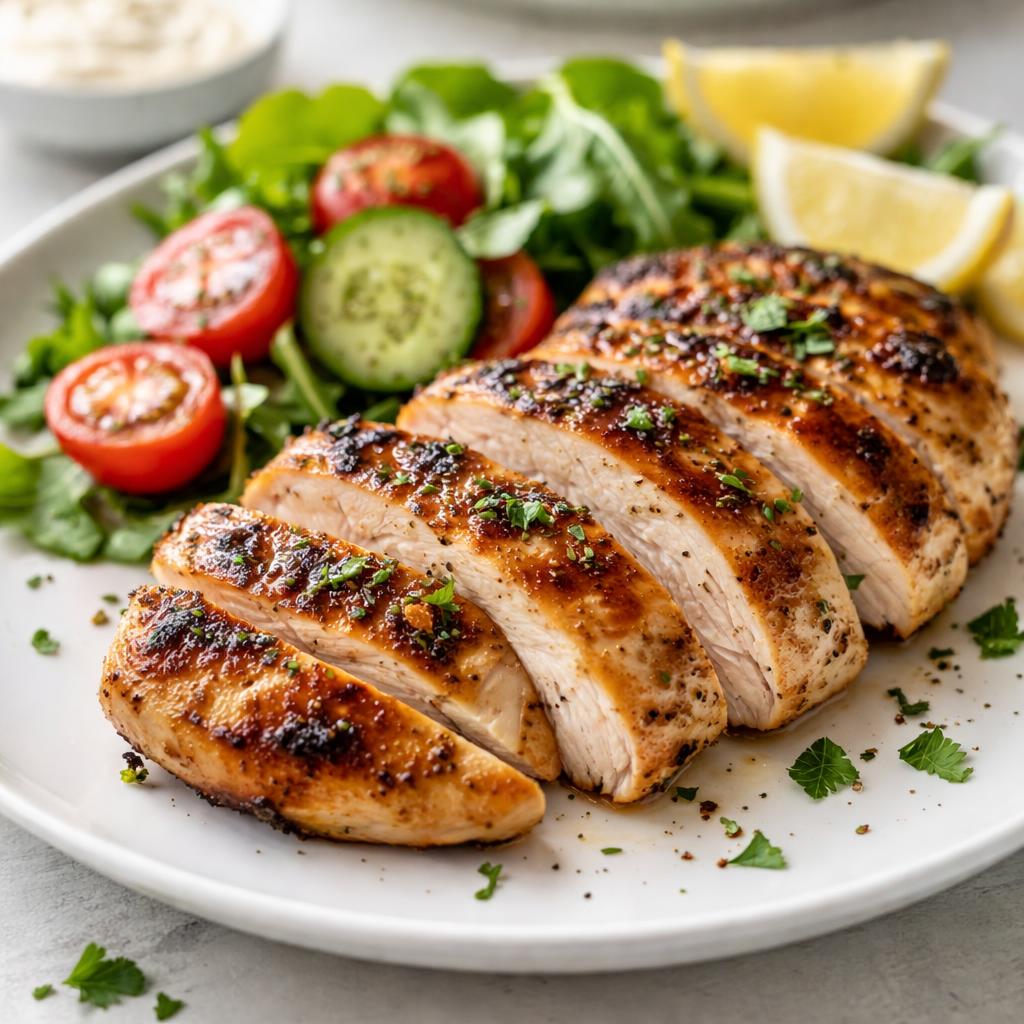
Chicken
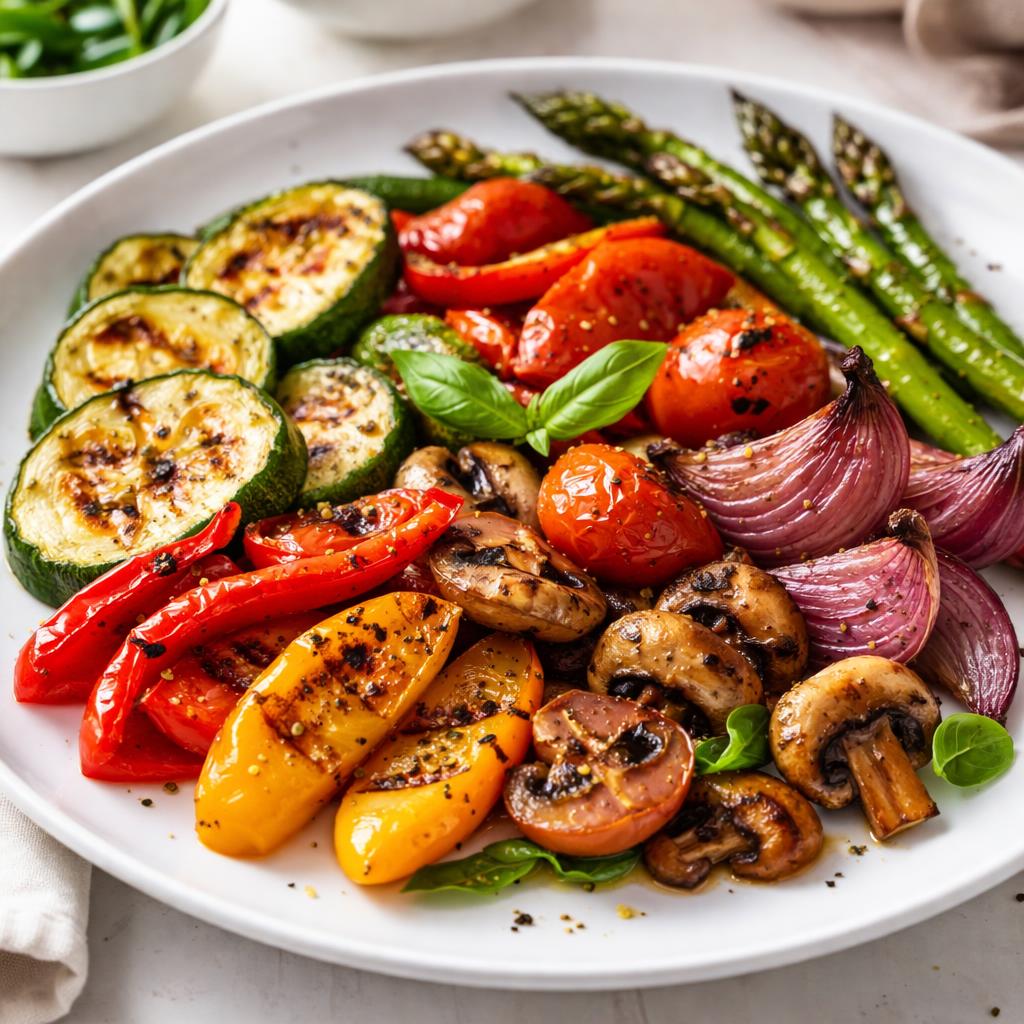
Grilled Vegetables
🎯 Quick Verdict
Chicken is richer in protein, making it ideal for muscle-building and recovery, while grilled vegetables shine in fiber and vitamins, supporting digestion and overall health. The foods serve different purposes nutritionally and pair well for a balanced meal.

Smart Nutrition Tracking with SnapCalorie

📊 Nutritional Comparison
Macronutrients
| Nutrient | Food 1 | Food 2 | Winner |
|---|---|---|---|
| Calories | 165 | 80 | ✓ |
| Protein | 31g | 2g | ✓ |
| Carbs | 0g | 12g | ✓ |
| Fat | 3.6g | 2g | ✓ |
| Fiber | 0g | 4g | ✓ |
Vitamins & Minerals
| Nutrient | Food 1 | Food 2 | Winner |
|---|---|---|---|
| Vitamin D | 0mcg | 0mcg | − |
| Vitamin C | 0mg | 20mg | ✓ |
| Calcium | 13mg | 40mg | ✓ |
| Iron | 1mg | 1.9mg | ✓ |
🏆 Category Winners
Protein
Chicken has significantly higher protein, with 31g per serving versus 2g in grilled vegetables.
Fiber
Grilled vegetables contain 4g of dietary fiber, whereas chicken has none.
Calories
Grilled vegetables are lower-calorie with 80 calories versus 165 in chicken.
Vitamins
Grilled vegetables offer more vitamin C (20mg) and other key micronutrients like iron and calcium.
🥗 Diet Compatibility
Keto
Food 1: Compatible
Food 2: Conditionally Compatible
Chicken fits perfectly as keto-friendly, while grilled vegetables need careful selection to avoid higher-carb vegetables like carrots.
Vegan
Food 1: Not Compatible
Food 2: Compatible
Grilled vegetables are plant-based, while chicken is animal-derived.
Gluten Free
Food 1: Compatible
Food 2: Compatible
Both these foods are naturally gluten-free.
Paleo
Food 1: Compatible
Food 2: Compatible
Both align with paleo guidelines as whole, unprocessed foods.
Low-Carb
Food 1: Compatible
Food 2: Conditionally Compatible
Chicken contains no carbs, while grilled vegetables are low-carb depending on the specific vegetables used.
💪 Health Benefits Comparison
Food 1 Benefits
- High-quality protein for muscle growth and recovery
- Low in fat, supporting heart health and weight management
- Zero carbs, making it ideal for low-carb and keto diets
Food 2 Benefits
- Rich in fiber for digestive health
- High in antioxidants like vitamin C, supporting immunity
- Contains essential minerals like iron and calcium for bone health
✅ The Bottom Line
Choose chicken when aiming for muscle growth, low-carb, or higher protein intake. Opt for grilled vegetables to boost fiber, vitamins, and overall nutrient density. Combining both foods can create a well-rounded, balanced meal suitable for most diets.
Choose Food 1 for: Muscle-building, weight management, keto and paleo diets
Choose Food 2 for: Digestive health, immune support, vegan diets


