Chicken VS Greek Salad
A detailed nutritional comparison
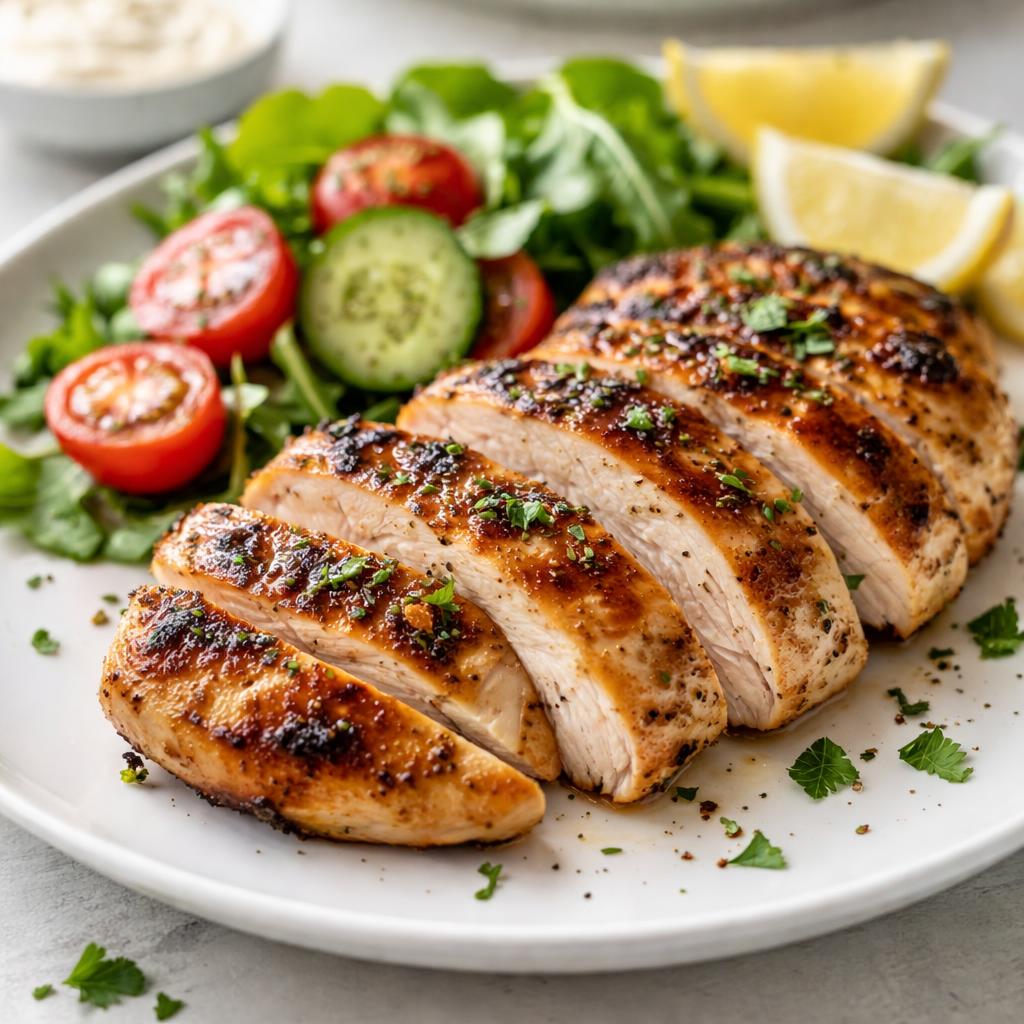
Chicken
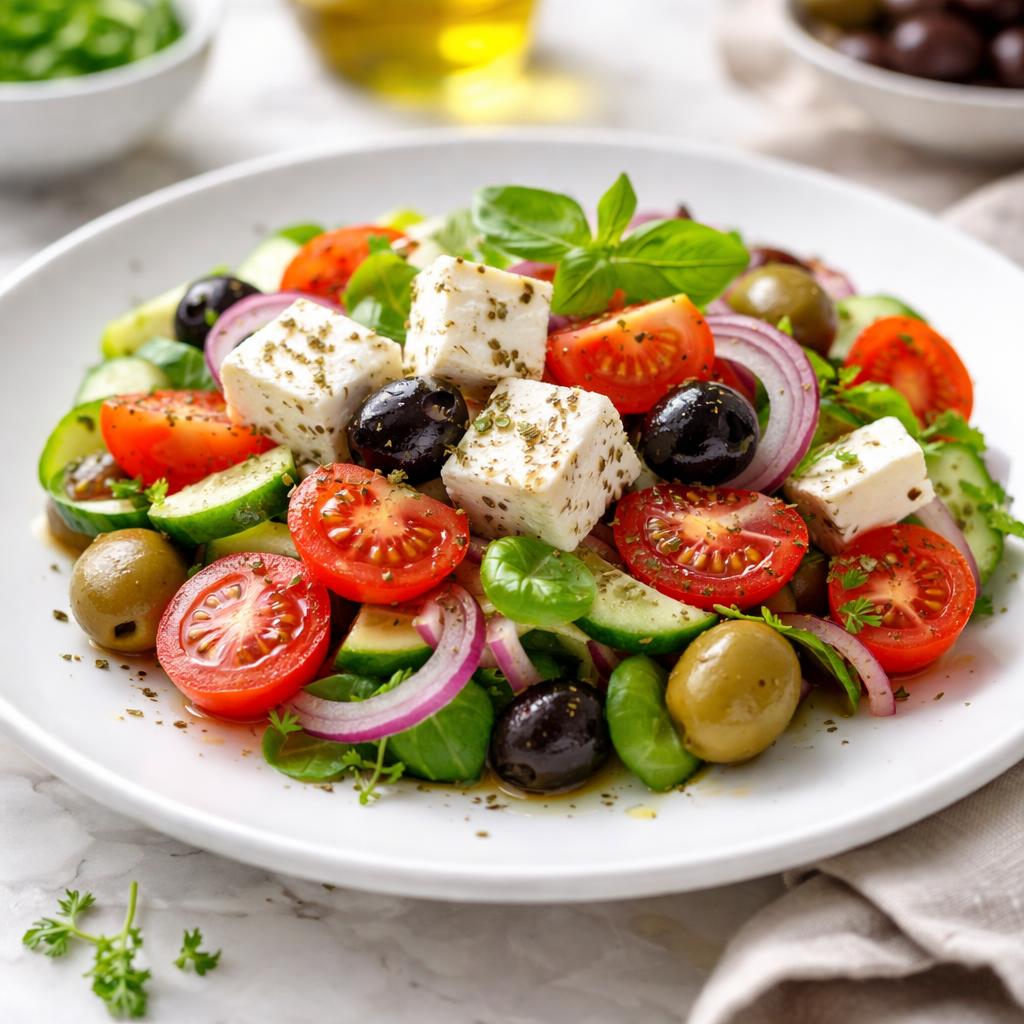
Greek Salad
🎯 Quick Verdict
Chicken is a high-protein, lower-calorie food and ideal for muscle building or weight management. Greek salad, on the other hand, is rich in fiber, vitamins, and healthy fats, making it a great option for heart health and overall nutrient density. Choose chicken for focused protein intake, and opt for Greek salad for a balanced mix of nutrients and plant-based benefits.

Smart Nutrition Tracking with SnapCalorie

📊 Nutritional Comparison
Macronutrients
| Nutrient | Food 1 | Food 2 | Winner |
|---|---|---|---|
| Calories | 165 (skinless, grilled) | 200 | ✓ |
| Protein | 31g | 6g | ✓ |
| Carbs | 0g | 12g | ✓ |
| Fat | 4g | 14g | ✓ |
| Fiber | 0g | 4g | ✓ |
Vitamins & Minerals
| Nutrient | Food 1 | Food 2 | Winner |
|---|---|---|---|
| Vitamin C | 0mg | 20mg | ✓ |
| Calcium | 13mg | 150mg | ✓ |
| Iron | 1mg | 1.5mg | ✓ |
🏆 Category Winners
Protein
Chicken provides over 5 times more protein than Greek salad per serving.
Fiber
Greek salad contains dietary fiber (4g per serving) while chicken contains none.
Calories
Chicken has fewer calories (165 vs 200 for Greek salad).
🥗 Diet Compatibility
Keto
Food 1: Compatible
Food 2: Not fully compatible
Chicken has zero carbs, whereas Greek salad contains 12g carbs due to vegetables and dressing.
Vegan
Food 1: Not Compatible
Food 2: Compatible
Greek salad does not contain animal products.
Gluten Free
Food 1: Compatible
Food 2: Compatible
Neither food contains gluten unless Greek salad includes croutons.
Paleo
Food 1: Compatible
Food 2: Partially compatible
Chicken fits strict Paleo guidelines, while Greek salad may include non-Paleo ingredients like feta cheese.
Low Carb
Food 1: Compatible
Food 2: Partially Compatible
Chicken has zero carbs, while Greek salad has moderate carb levels from veggies and dressing.
💪 Health Benefits Comparison
Food 1 Benefits
- Provides high-quality protein to support muscle growth and repair
- Low in calories for weight management
- Rich in B vitamins to support metabolism
Food 2 Benefits
- High in fiber to aid digestion
- Contains antioxidants like Vitamin C to boost immunity
- Offers healthy fats from olive oil for heart health
✅ The Bottom Line
Choose chicken for a lean, protein-packed option that supports muscle building and weight loss. Greek salad is great for a balanced, nutrient-dense meal that provides fiber, vitamins, and heart-supporting healthy fats without being overly high-calorie. Balance both foods for optimal nutrition.
Choose Food 1 for: Muscle building, low-carb diets, weight loss
Choose Food 2 for: Heart health, plant-based diets, nutrient density


