Chicken VS Curry Sauce
A detailed nutritional comparison
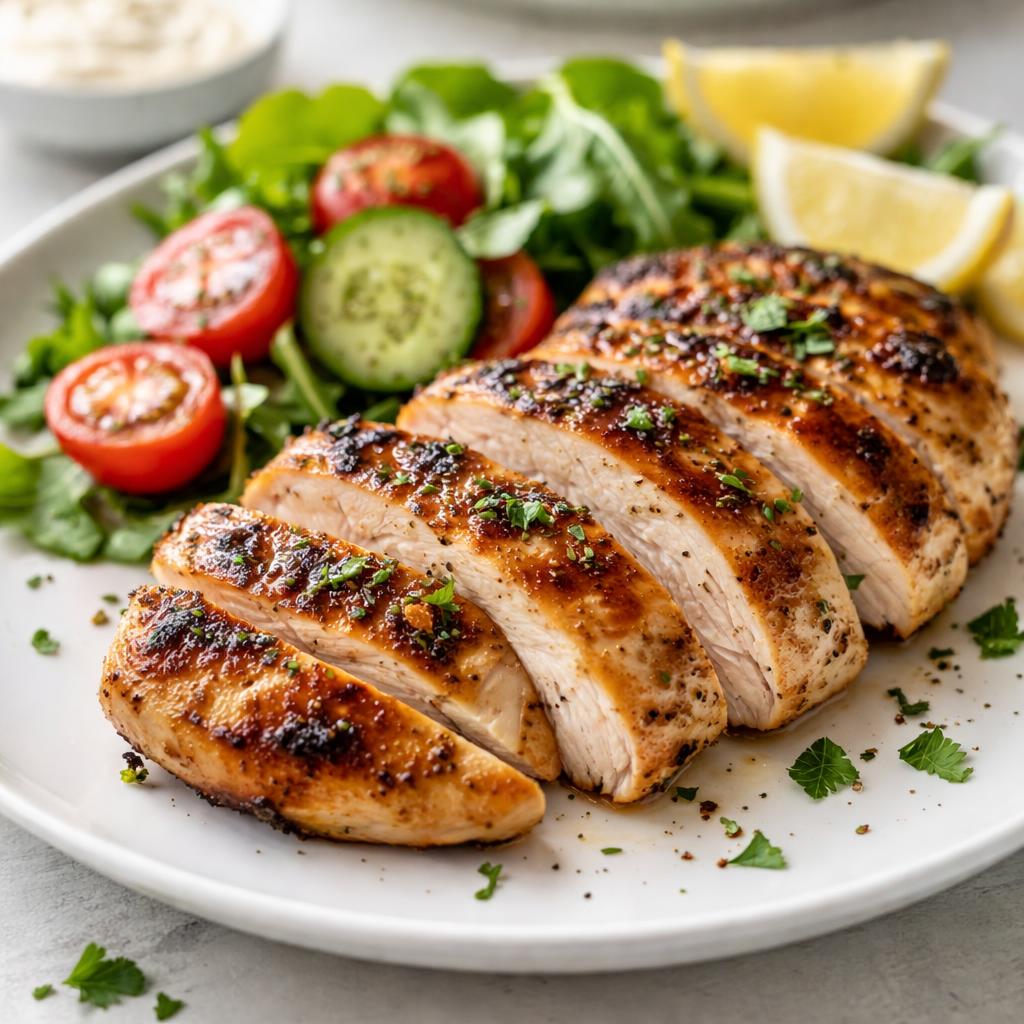
Chicken
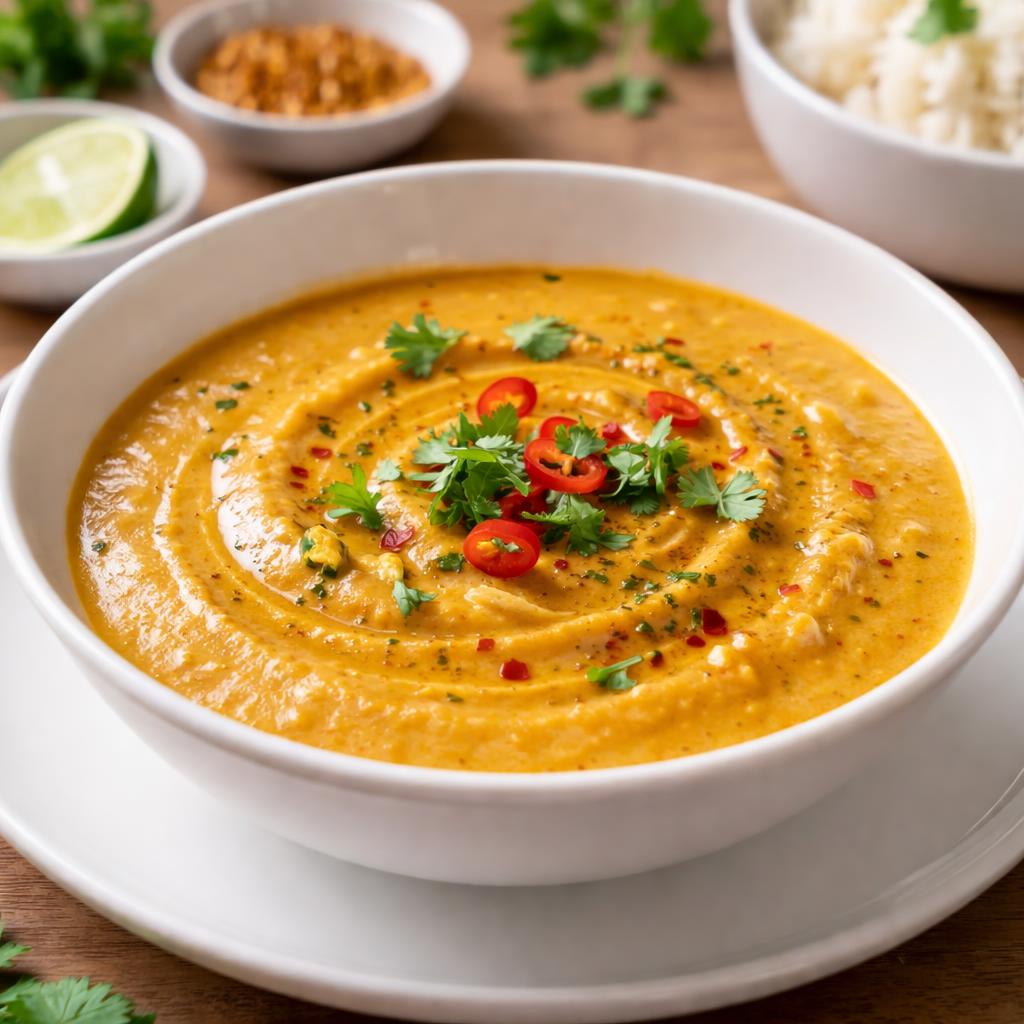
Curry Sauce
🎯 Quick Verdict
Chicken is high in protein and lower in calories, making it ideal for muscle building and weight loss. Curry sauce, while lower in protein, offers a flavorful way to incorporate fiber and antioxidants, but it is higher in calories. Together, they can complement each other in meals, balancing nutrition and taste.

Smart Nutrition Tracking with SnapCalorie

📊 Nutritional Comparison
Macronutrients
| Nutrient | Food 1 | Food 2 | Winner |
|---|---|---|---|
| Calories | 165 | 120 (per 100g) | ✓ |
| Protein | 31g | 2g | ✓ |
| Carbs | 0g | 12g | ✓ |
| Fat | 3.6g | 8g | ✓ |
| Fiber | 0g | 2g | ✓ |
Vitamins & Minerals
| Nutrient | Food 1 | Food 2 | Winner |
|---|---|---|---|
| Vitamin D | 0.2mcg | 0.5mcg | ✓ |
| Calcium | 13mg | 35mg | ✓ |
| Iron | 1mg | 1.5mg | ✓ |
🏆 Category Winners
Protein
Chicken has over 15 times more protein per serving than curry sauce.
Fiber
Curry sauce contains 2g of fiber per serving, while chicken contains none.
Calories
Curry sauce has fewer calories per 100g, but chicken offers more satiety for its calorie count.
🥗 Diet Compatibility
Keto
Food 1: Compatible
Food 2: Partially Compatible
Chicken is low-carb, but curry sauce contains 12g of carbs per serving.
Vegan
Food 1: Not Compatible
Food 2: Compatible
Chicken is an animal-based product, while curry sauce is plant-based.
Gluten Free
Food 1: Compatible
Food 2: Possible Compatibility
Chicken does not contain gluten, but curry sauce may vary depending on preparation.
Paleo
Food 1: Compatible
Food 2: Usually Compatible
Chicken fits the paleo diet; curry sauce is compatible if ingredients are natural.
Low Carb
Food 1: Compatible
Food 2: Not Compatible
Chicken contains 0 carbs, while curry sauce is higher in carbs due to sugar and starch.
💪 Health Benefits Comparison
Food 1 Benefits
- Rich source of lean protein for muscle building
- Low in fat, supporting weight management
- Contains essential amino acids for tissue repair
Food 2 Benefits
- Provides antioxidants from spices like turmeric
- Offers dietary fiber for improved digestion
- Contains calcium and iron for bone health and oxygen transport
✅ The Bottom Line
Choose chicken for high protein needs, weight loss, and low-carb diets. Curry sauce adds flavor, antioxidants, and fiber but is best paired with proteins for balanced nutrition.
Choose Food 1 for: Weight loss, muscle building, low-carb, paleo-friendly meals
Choose Food 2 for: Adding fiber, flavor, and antioxidants to meals


