Cheese VS Wine
A detailed nutritional comparison
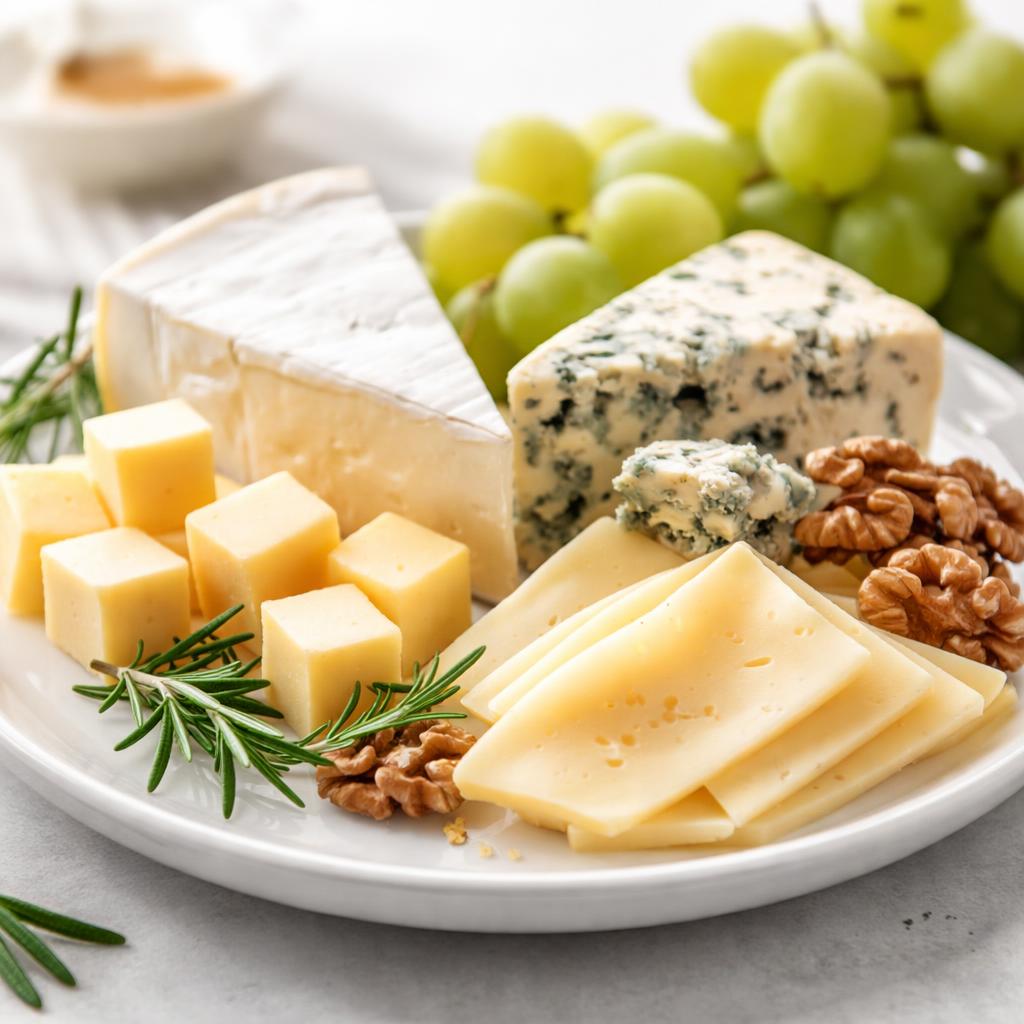
Cheese
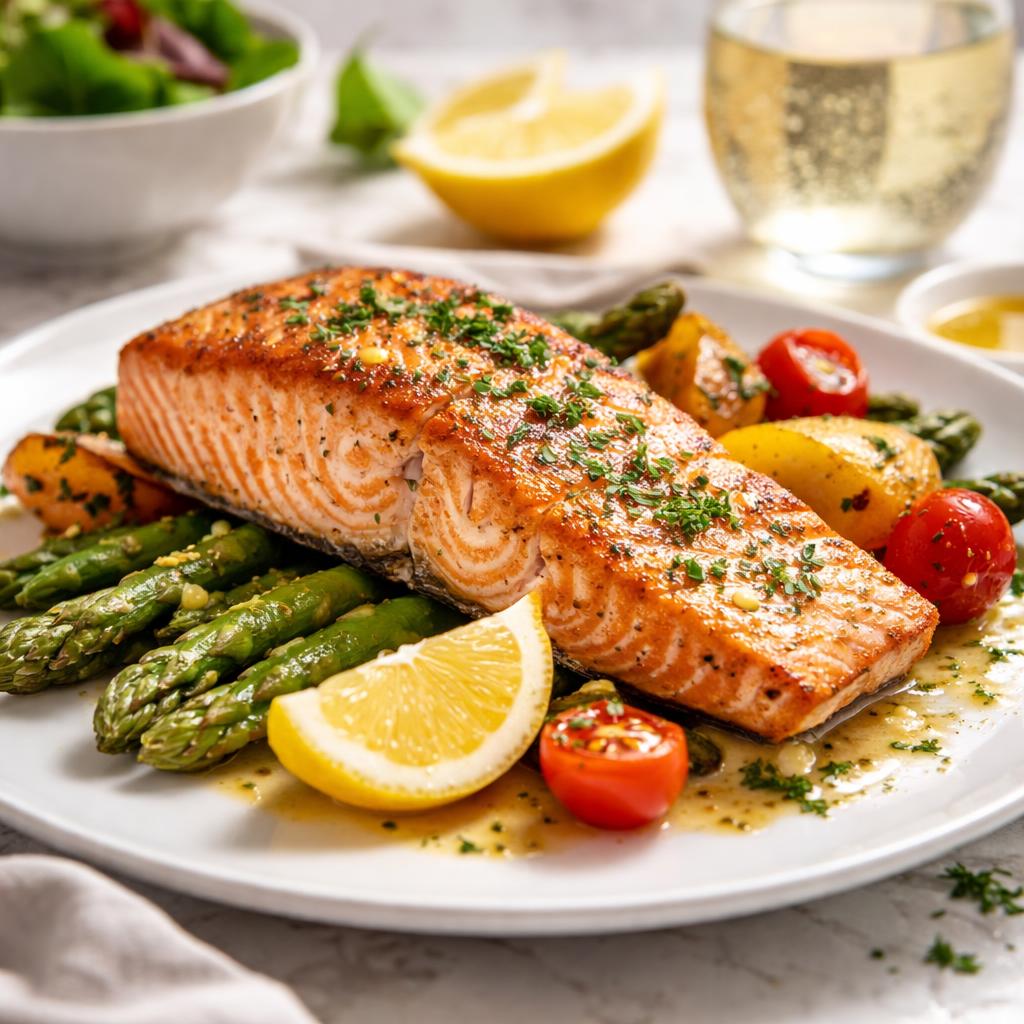
Wine
🎯 Quick Verdict
Cheese and wine are both popular but serve very different dietary roles. Cheese is nutrient-dense and ideal for protein, calcium, and healthy fats, supporting muscle and bone health. Wine is calorie-light and contains antioxidants but lacks macronutrients, making it more suited for occasional enjoyment rather than direct nutrition.

Smart Nutrition Tracking with SnapCalorie

📊 Nutritional Comparison
Macronutrients
| Nutrient | Food 1 | Food 2 | Winner |
|---|---|---|---|
| Calories | 113 | 83 | ✓ |
| Protein | 7g | 0g | ✓ |
| Carbs | 1g | 3.8g | ✓ |
| Fat | 9g | 0g | ✓ |
| Fiber | 0g | 0g | − |
Vitamins & Minerals
| Nutrient | Food 1 | Food 2 | Winner |
|---|---|---|---|
| Vitamin A | 200IU | 0IU | ✓ |
| Calcium | 200mg | 12mg | ✓ |
| Iron | 0.2mg | 0.4mg | ✓ |
| Antioxidants | Low | High | ✓ |
🏆 Category Winners
Protein
Cheese contains 7 grams of protein while wine has none.
Fiber
Neither cheese nor wine provides fiber.
Calories
Wine is lower in calories compared to cheese (83 vs 113 calories per serving).
Vitamins
Cheese is richer in calcium, vitamin A, and overall micronutrients, while wine offers mostly antioxidants.
🥗 Diet Compatibility
Keto
Food 1: Compatible
Food 2: Compatible
Both foods are low-carb.
Vegan
Food 1: Not Compatible
Food 2: Compatible
Cheese is animal-derived, while wine is plant-based.
Gluten Free
Food 1: Compatible
Food 2: Compatible
Neither contain gluten.
Paleo
Food 1: Not Compatible
Food 2: Compatible
Cheese is not considered paleo, while wine can fit into paleo diets in moderation.
Low Carb
Food 1: Compatible
Food 2: Compatible
Both are low in carbohydrates, making them suitable for low-carb diets.
💪 Health Benefits Comparison
Food 1 Benefits
- High in protein for muscle growth and repair
- Rich in calcium, supporting bone health
- Source of healthy fats for energy and satiety
- Contains vitamin A, beneficial for skin and vision
Food 2 Benefits
- Low in calories, suitable for weight management in moderation
- Rich in antioxidants, supporting heart health
- May improve circulation when consumed responsibly
- Contains small amounts of minerals like iron
✅ The Bottom Line
Choose cheese for a filling snack with protein and calcium, ideal for muscle and bone health. Opt for wine for its antioxidant benefits and lower calorie profile, perfect for enjoying occasionally alongside meals. Both have their place but are nutritionally distinct.
Choose Food 1 for: High-protein diets, bone health, satiety-focused meals
Choose Food 2 for: Heart health, antioxidant-rich diets, lighter calorie options


