Cheese VS Sausage
A detailed nutritional comparison
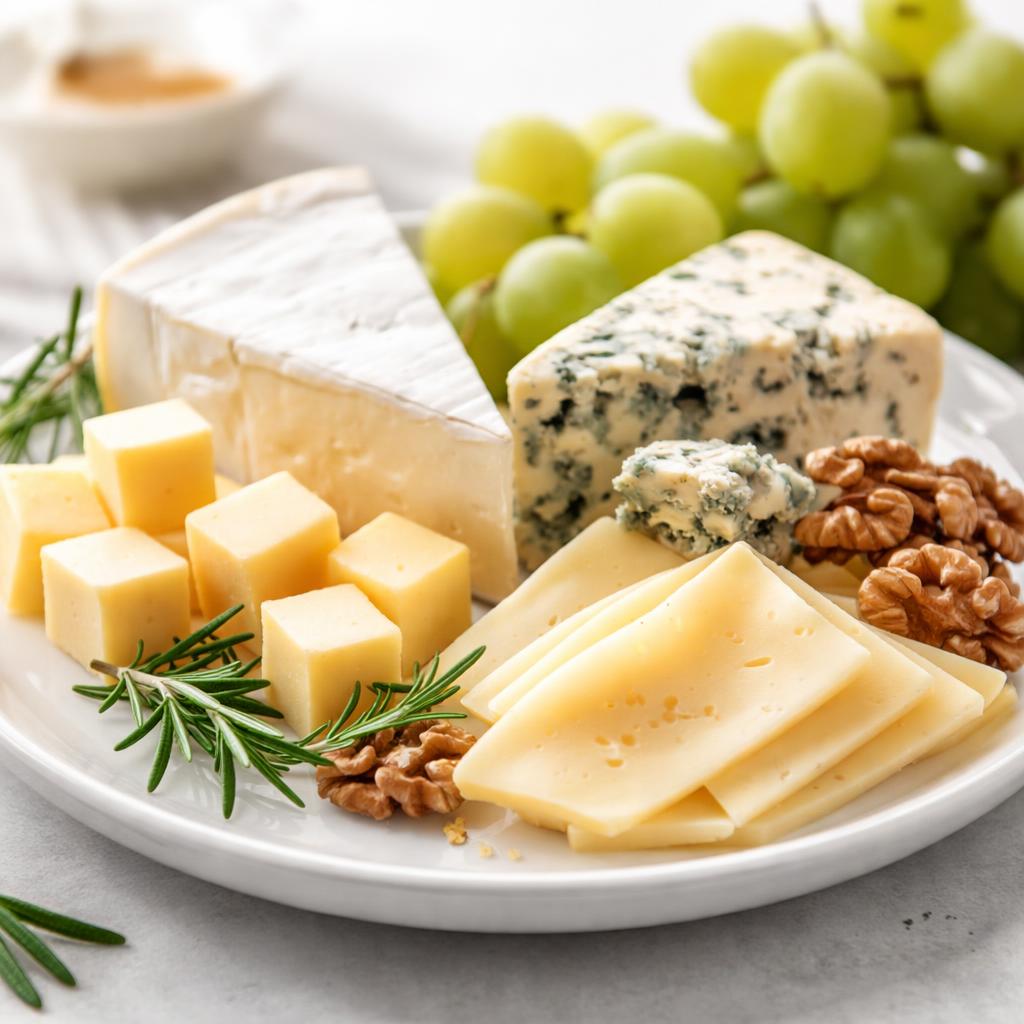
Cheese
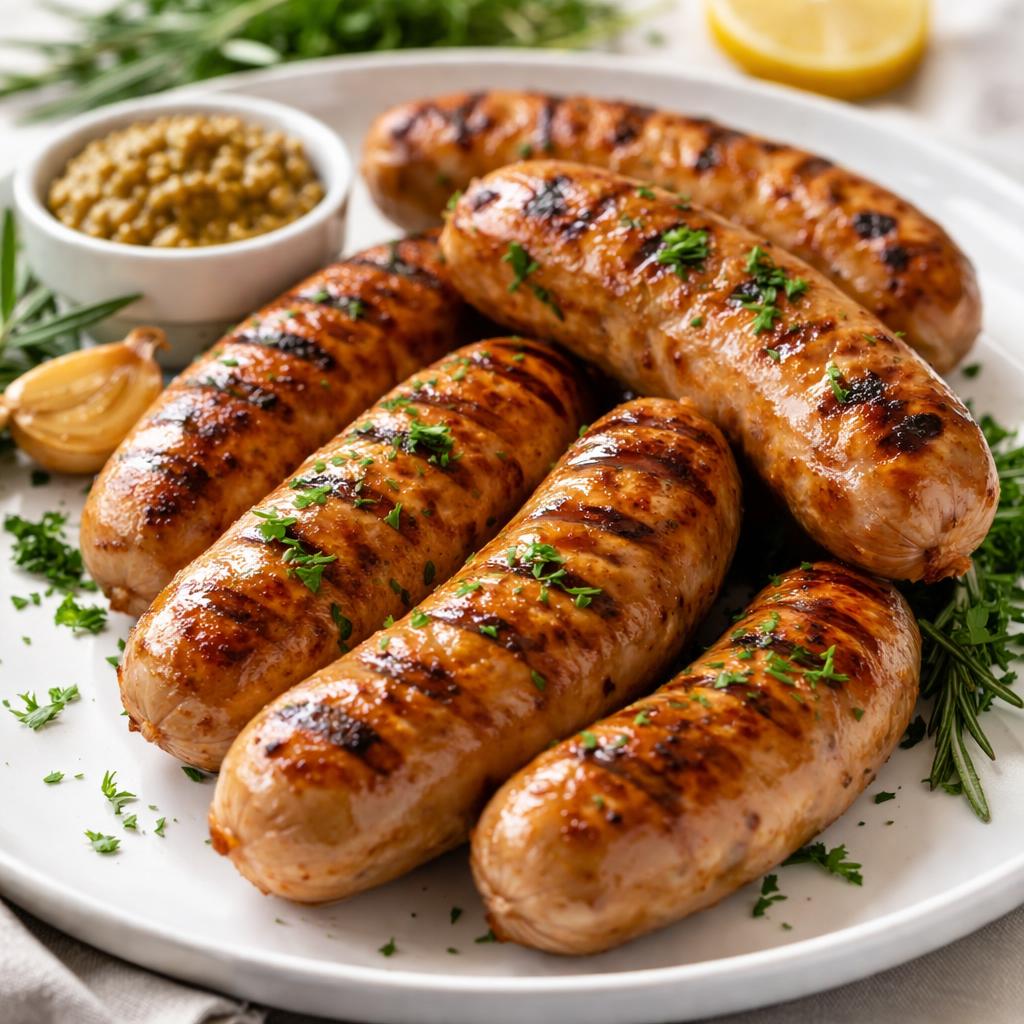
Sausage
🎯 Quick Verdict
Cheese is higher in protein with 24g per 100g, making it great for muscle-building diets, while sausage is slightly lower at 16g but provides more energy overall due to higher fat content. Sausage has slightly fewer calories but tends to be higher in sodium, making moderation important. Cheese works best for calcium intake and bone health, while sausage is better suited for heartier meals and sustained energy.

Smart Nutrition Tracking with SnapCalorie

📊 Nutritional Comparison
Macronutrients
| Nutrient | Food 1 | Food 2 | Winner |
|---|---|---|---|
| Calories | 402 per 100g | 350 per 100g | ✓ |
| Protein | 24g per 100g | 16g per 100g | ✓ |
| Carbs | 1.3g per 100g | 1g per 100g | ✓ |
| Fat | 33g per 100g | 28g per 100g | ✓ |
| Fiber | 0g per 100g | 0g per 100g | − |
Vitamins & Minerals
| Nutrient | Food 1 | Food 2 | Winner |
|---|---|---|---|
| Vitamin D | 0.5mcg per 100g | 0.2mcg per 100g | ✓ |
| Calcium | 721mg per 100g | 11mg per 100g | ✓ |
| Iron | 0.2mg per 100g | 1.4mg per 100g | ✓ |
🏆 Category Winners
Protein
Cheese provides 50% more protein per serving compared to sausage.
Fiber
Neither cheese nor sausage contains dietary fiber.
Calories
Sausage has roughly 13% fewer calories than cheese.
Vitamins
Cheese is much higher in calcium and offers a better source of vitamin D.
🥗 Diet Compatibility
Keto
Food 1: Compatible
Food 2: Compatible
Both foods are low-carb and high-fat.
Vegan
Food 1: Not Compatible
Food 2: Not Compatible
Both foods are animal-derived and not suitable for vegans.
Gluten Free
Food 1: Compatible
Food 2: Compatible
Neither of these foods naturally contains gluten, but some sausage may have traces depending on additives.
Paleo
Food 1: Not Compatible
Food 2: Compatible
Cheese is not compliant due to dairy content, while sausage is paleo-friendly if free of additives.
Low Carb
Food 1: Compatible
Food 2: Compatible
Both foods are extremely low-carb, making them suitable for low-carb diets.
💪 Health Benefits Comparison
Food 1 Benefits
- Rich source of calcium for bone health
- High protein for muscle growth and repair
- Contains small amounts of vitamin D for immune system support
Food 2 Benefits
- High protein for sustained energy
- Rich in healthy fats for satiety
- Source of iron to help prevent anemia
✅ The Bottom Line
Cheese and sausage both have their strengths and weaknesses depending on dietary goals. Cheese wins in protein and calcium content, making it ideal for muscle and bone health diets, while sausage offers slightly fewer calories and iron, making it more suitable for hearty meals or energy-dense diets. Both are low-carb and keto-friendly, but their sodium and fat content should be considered in moderation.
Choose Food 1 for: Bone health, high-protein diets, low-carb snacks
Choose Food 2 for: Iron intake, sustained energy, hearty meals


