Cheese VS Salt
A detailed nutritional comparison
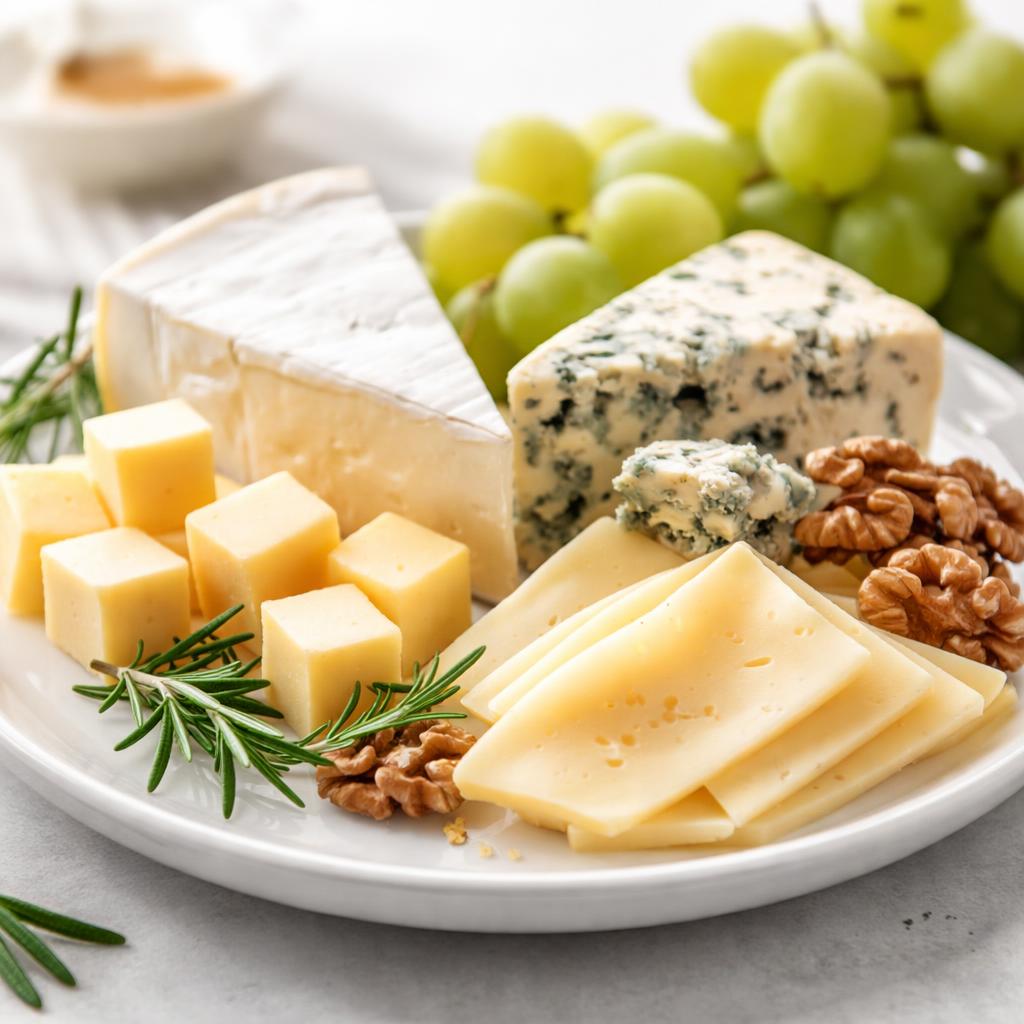
Cheese
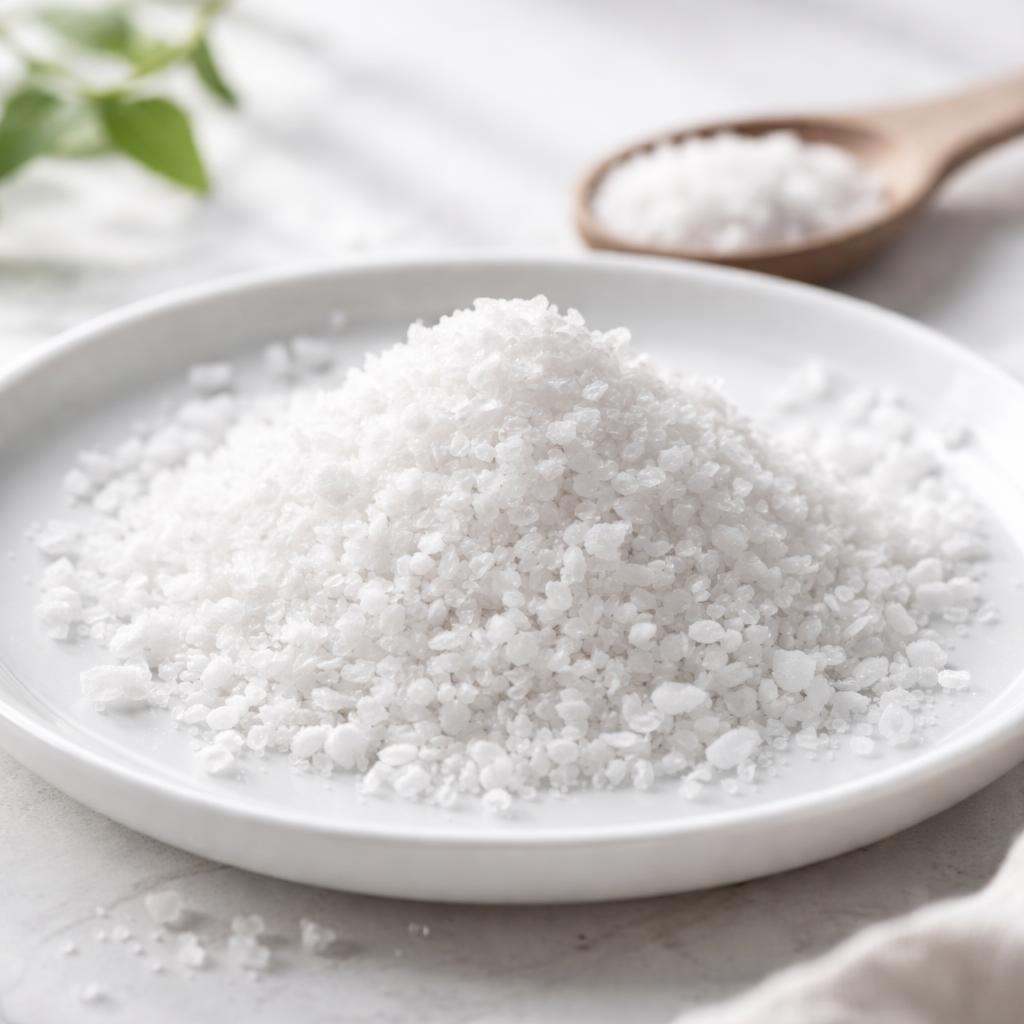
Salt
🎯 Quick Verdict
Cheese, as a complete food, provides essential nutrients like protein, calcium, and fats, while salt primarily provides sodium without other macronutrients or micronutrients. Cheese is better for muscle maintenance, bone health, and sustained energy, whereas salt is primarily used for flavor enhancement and mineral replenishment in small amounts due to its sodium content.

Smart Nutrition Tracking with SnapCalorie

📊 Nutritional Comparison
Macronutrients
| Nutrient | Food 1 | Food 2 | Winner |
|---|---|---|---|
| Calories | 113 per ounce | 0 | ✓ |
| Protein | 7g per ounce | 0g | ✓ |
| Carbs | 1g per ounce | 0g | ✓ |
| Fat | 9g per ounce | 0g | ✓ |
| Fiber | 0g | 0g | − |
Vitamins & Minerals
| Nutrient | Food 1 | Food 2 | Winner |
|---|---|---|---|
| Vitamin D | 0.2mcg per ounce | 0mcg | ✓ |
| Calcium | 200mg per ounce | 0mg | ✓ |
| Iron | 0.1mg per ounce | 0mg | ✓ |
🏆 Category Winners
Protein
Cheese contains 7g of protein per ounce, making it a significant protein source compared to salt, which has none.
Fiber
Neither food provides dietary fiber.
Calories
Salt has zero calories.
Vitamins
Cheese contains several vitamins and minerals like calcium and Vitamin D, while salt has none aside from sodium.
🥗 Diet Compatibility
Keto
Food 1: Compatible
Food 2: Compatible
Cheese is high fat and low carb, while salt does not contain carbs or calories.
Vegan
Food 1: Not Compatible
Food 2: Compatible
Cheese is an animal-derived product, while salt is plant-based.
Gluten Free
Food 1: Compatible
Food 2: Compatible
Both cheese and salt are naturally gluten-free.
Paleo
Food 1: Compatible
Food 2: Compatible
Cheese and salt are compatible with paleo diets in moderation.
Low-Carb
Food 1: Compatible
Food 2: Compatible
Cheese contains low carbs, while salt has none.
💪 Health Benefits Comparison
Food 1 Benefits
- Provides high-quality protein for muscle growth and maintenance
- Rich in calcium for bone health
- Contains healthy fats for sustained energy
- Includes vitamins and minerals supporting various bodily functions
Food 2 Benefits
- Essential source of sodium for electrolyte balance
- Enhances food flavor without adding calories
- May aid in hydration when combined with water for active individuals
- Regulates fluid retention and muscle contractions in moderation
✅ The Bottom Line
Cheese is a nutrient-dense food that supports muscle health and provides essential micronutrients like calcium, while salt primarily serves as a flavor enhancer with no additional nutritional benefits aside from sodium. Cheese is better suited for balanced diets and post-workout recovery, whereas salt should be consumed sparingly for electrolyte balance during physical activity or hydration strategies.
Choose Food 1 for: Muscle maintenance, bone health, post-exercise recovery, energy sustenance
Choose Food 2 for: Flavoring dishes, hydration support during exercise, electrolyte balance in moderation


