Cheese VS Provolone
A detailed nutritional comparison
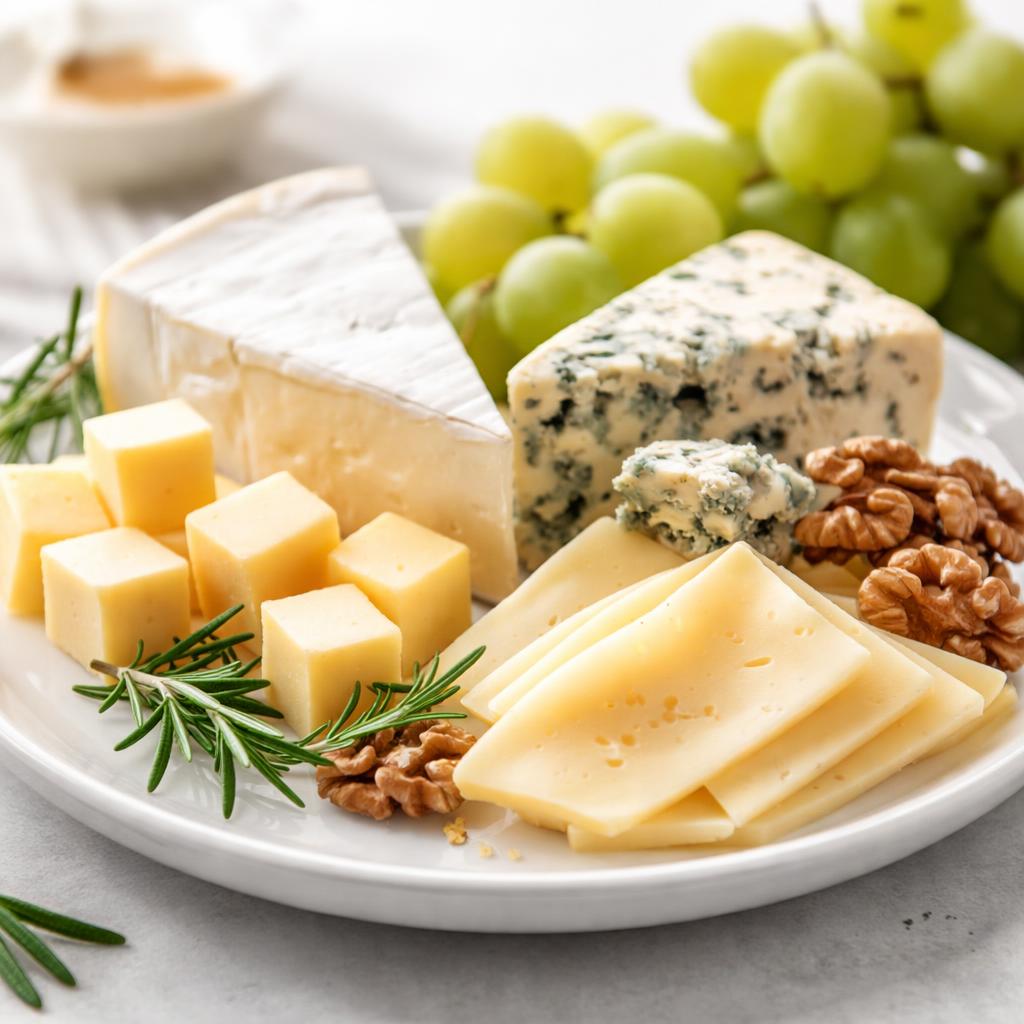
Cheese
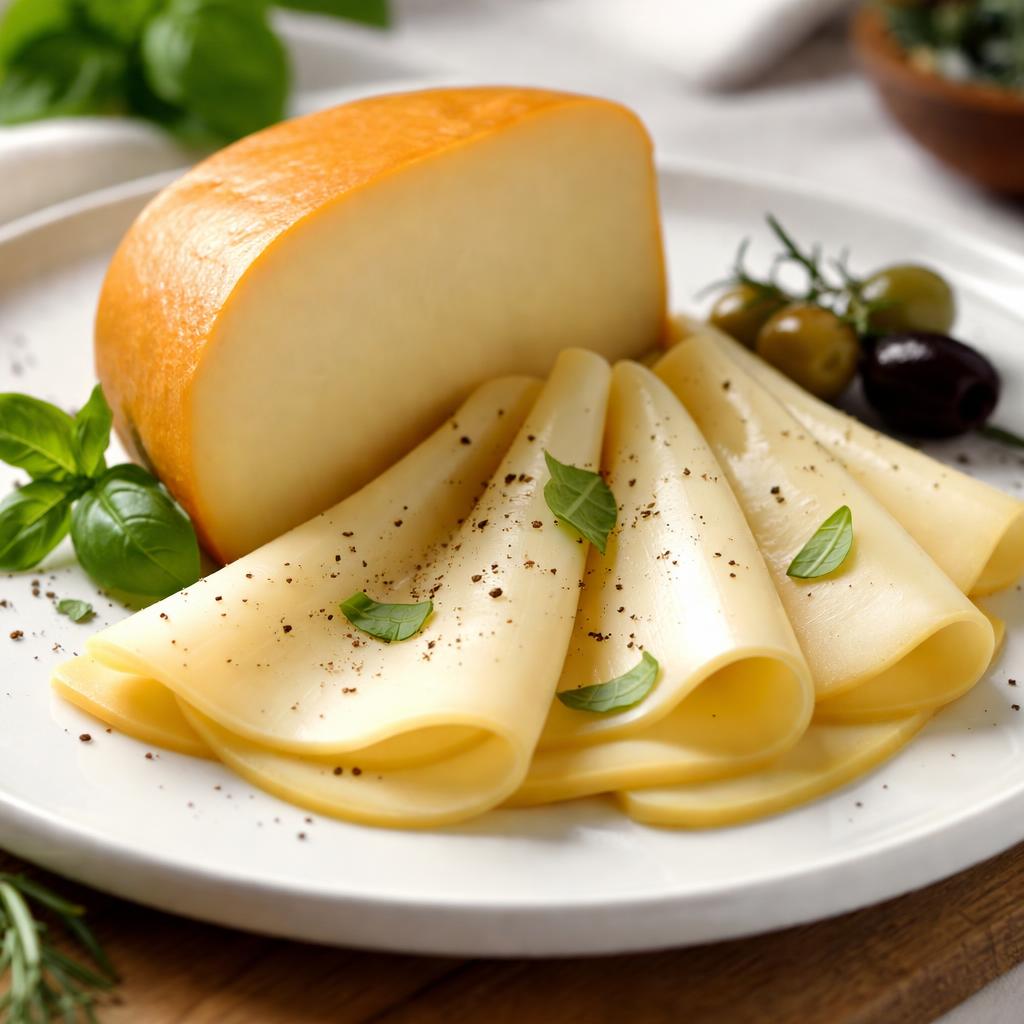
Provolone
🎯 Quick Verdict
Provolone cheese is slightly lower in calories, higher in protein, and offers a leaner nutritional profile compared to generic cheese. Cheese, on the other hand, tends to be richer in fat and calcium, making it a better choice for individuals needing higher calorie intake or calcium supplementation. Both are keto-friendly and provide robust flavors suitable for different uses like snacks, cooking, or sandwiches.

Smart Nutrition Tracking with SnapCalorie

📊 Nutritional Comparison
Macronutrients
| Nutrient | Food 1 | Food 2 | Winner |
|---|---|---|---|
| Calories | 402 per 100g | 351 per 100g | ✓ |
| Protein | 25g per 100g | 26g per 100g | ✓ |
| Carbs | 1.3g per 100g | 0.7g per 100g | ✓ |
| Fat | 33g per 100g | 27g per 100g | ✓ |
| Fiber | 0g per 100g | 0g per 100g | − |
Vitamins & Minerals
| Nutrient | Food 1 | Food 2 | Winner |
|---|---|---|---|
| Vitamin A | 300 IU | 260 IU | ✓ |
| Calcium | 721mg | 559mg | ✓ |
| Phosphorus | 512mg | 346mg | ✓ |
| Vitamin D | 0.9mcg | 0.7mcg | ✓ |
🏆 Category Winners
Protein
Provolone has 1g more protein per 100g compared to generic cheese.
Fiber
Neither food contains measurable fiber.
Calories
Provolone has 12% fewer calories than generic cheese per 100g.
🥗 Diet Compatibility
Keto
Food 1: Compatible
Food 2: Compatible
Both cheeses are low-carb and high-fat, making them suitable for keto diets.
Vegan
Food 1: Not Compatible
Food 2: Not Compatible
Both are made from dairy and are not plant-based.
Gluten Free
Food 1: Compatible
Food 2: Compatible
Cheese and provolone do not contain gluten.
Paleo
Food 1: Sometimes Compatible
Food 2: Sometimes Compatible
Both cheeses are acceptable in some paleo adaptations that include dairy.
Low Carb
Food 1: Compatible
Food 2: Compatible
Both cheeses have less than 2g of carbs per 100g, making them suitable for low-carb diets.
💪 Health Benefits Comparison
Food 1 Benefits
- Rich source of calcium for bone health
- Provides healthy fats for energy
- Contains phosphorus, aiding cell function
- High in vitamin A for vision and immunity
Food 2 Benefits
- High protein content for muscle maintenance
- Lower calorie option compared to generic cheese
- Good source of calcium for strong bones
- Contains smaller amounts of vitamins like A and D for overall health
✅ The Bottom Line
Choose provolone for a lighter, higher-protein option compatible with low-calorie diets, while cheese is better for those seeking richer flavor and higher calcium intake. Both are versatile and keto-friendly but differ in their macros and micronutrient profiles.
Choose Food 1 for: Bone health, richer flavor, general cooking or a calorie-dense diet
Choose Food 2 for: Weight management, high-protein diets, sandwiches or lighter meals


