Cheese VS Oatmilk
A detailed nutritional comparison
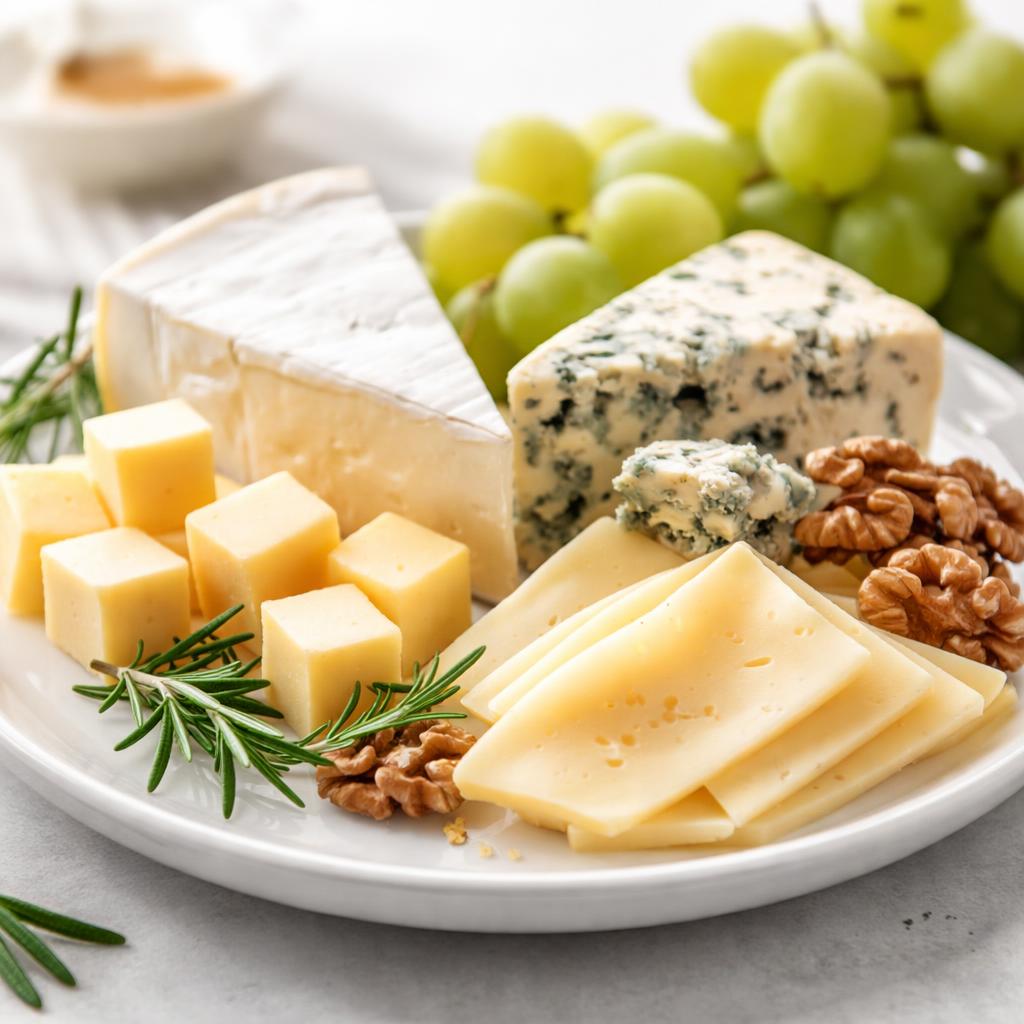
Cheese
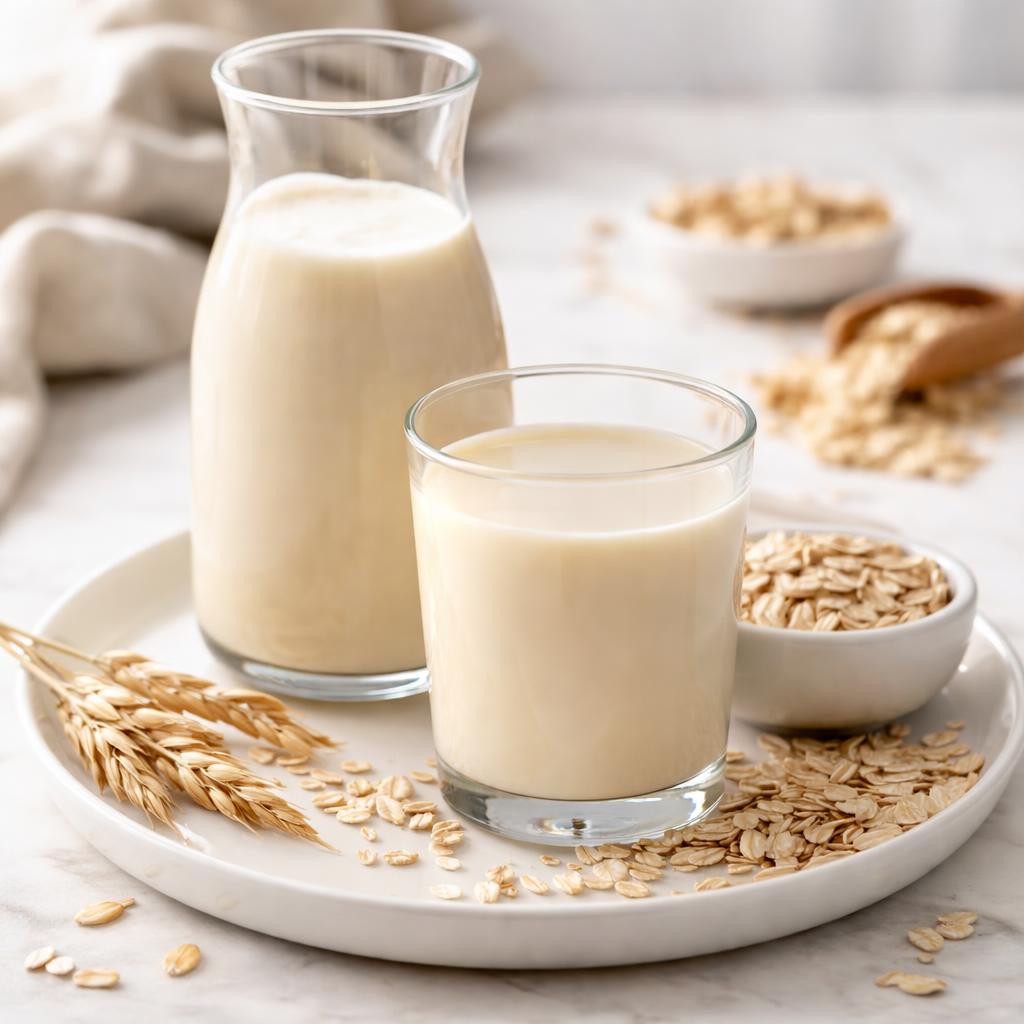
Oatmilk
🎯 Quick Verdict
Cheese and oatmilk offer very different nutritional profiles suited for distinct dietary needs. Cheese is higher in protein and lower in calories, making it ideal for muscle building and weight control. Oatmilk, on the other hand, offers more fiber and is vegan-friendly, making it a great choice for plant-based diets and gut health support.

Smart Nutrition Tracking with SnapCalorie

📊 Nutritional Comparison
Macronutrients
| Nutrient | Food 1 | Food 2 | Winner |
|---|---|---|---|
| Calories | 113 per 1 oz | 120 per 1 cup | ✓ |
| Protein | 7g per 1 oz | 3g per 1 cup | ✓ |
| Carbs | 1g per 1 oz | 16g per 1 cup | ✓ |
| Fat | 9g per 1 oz | 5g per 1 cup | ✓ |
| Fiber | 0g per 1 oz | 2g per 1 cup | ✓ |
Vitamins & Minerals
| Nutrient | Food 1 | Food 2 | Winner |
|---|---|---|---|
| Vitamin D | 0.2mcg per 1 oz | 3mcg per 1 cup (fortified) | ✓ |
| Calcium | 200mg per 1 oz | 350mg per 1 cup | ✓ |
| Iron | 0.1mg per 1 oz | 1mg per 1 cup | ✓ |
🏆 Category Winners
Protein
Cheese contains more than double the protein of oatmilk per serving.
Fiber
Oatmilk provides 2g of fiber per cup, while cheese has negligible fiber.
Calories
Cheese has slightly fewer calories per serving compared to oatmilk.
🥗 Diet Compatibility
Keto
Food 1: Compatible
Food 2: Not Compatible
Cheese is low-carb, while oatmilk is higher in carbohydrates.
Vegan
Food 1: Not Compatible
Food 2: Compatible
Oatmilk is plant-based, while cheese is derived from animal milk.
Gluten Free
Food 1: Compatible
Food 2: Compatible
Neither cheese nor oatmilk contains gluten.
Paleo
Food 1: Not Compatible
Food 2: Compatible
Cheese is excluded in paleo diets, but oatmilk may fit within plant-based paleo guidelines.
Low-Carb
Food 1: Compatible
Food 2: Not Compatible
Cheese is ideal for low-carb diets (1g of carbs), while oatmilk is higher in carbs (16g).
💪 Health Benefits Comparison
Food 1 Benefits
- Excellent source of protein for muscle growth and repair
- Rich in calcium for strong bones and teeth
- Provides healthy fats for sustained energy
Food 2 Benefits
- Contains fiber to support gut health
- Fortified with vitamin D for bone health
- Plant-based alternative suitable for lactose-intolerant individuals
✅ The Bottom Line
Cheese and oatmilk serve different roles in a balanced diet. Cheese is best for individuals seeking a high-protein and low-carb option, particularly in weight-loss or keto diets. Oatmilk, on the other hand, is ideal for plant-based eaters, gut health, and boosted vitamin D and calcium intake through fortified options. Choose based on your specific dietary goals.
Choose Food 1 for: Ketogenic diets, weight-loss strategies, high-protein diets
Choose Food 2 for: Vegan diets, gut health, calcium and vitamin D intake


