Cheese VS Nuts
A detailed nutritional comparison
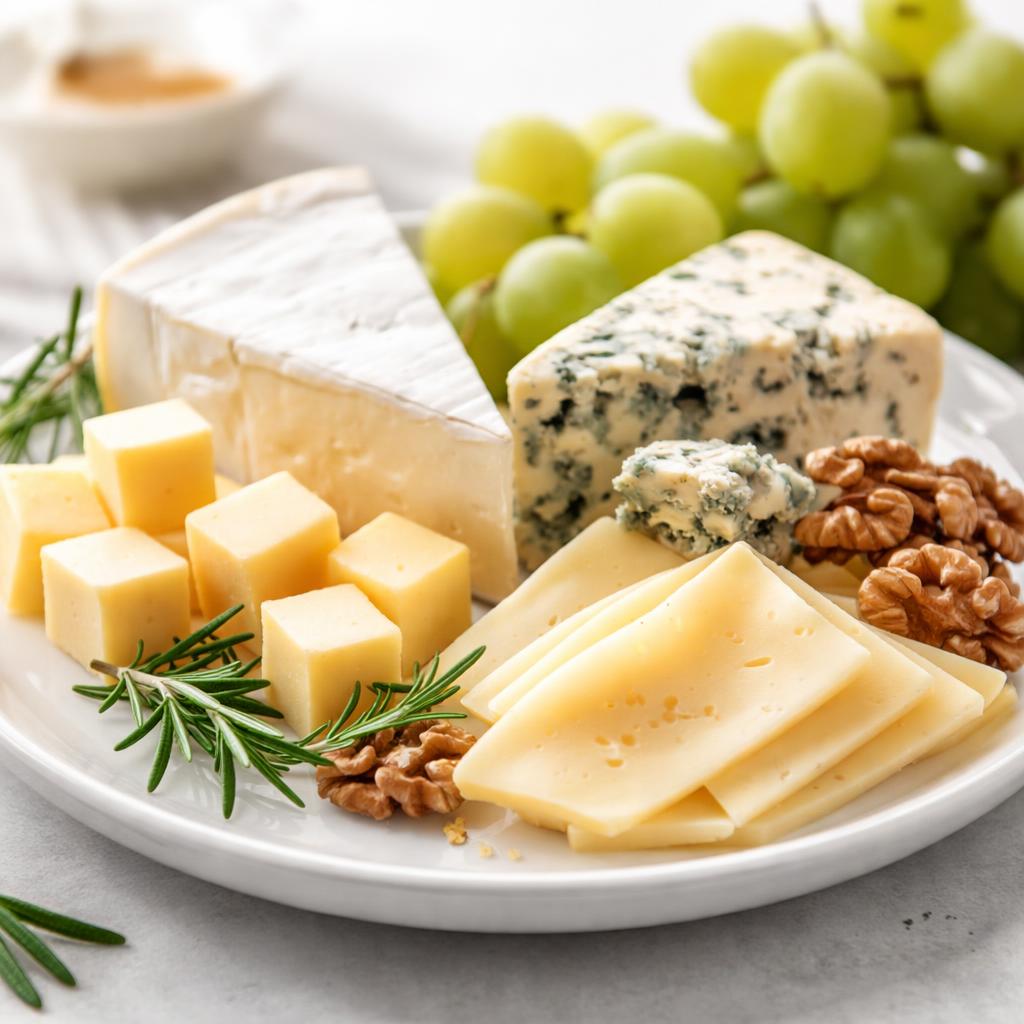
Cheese
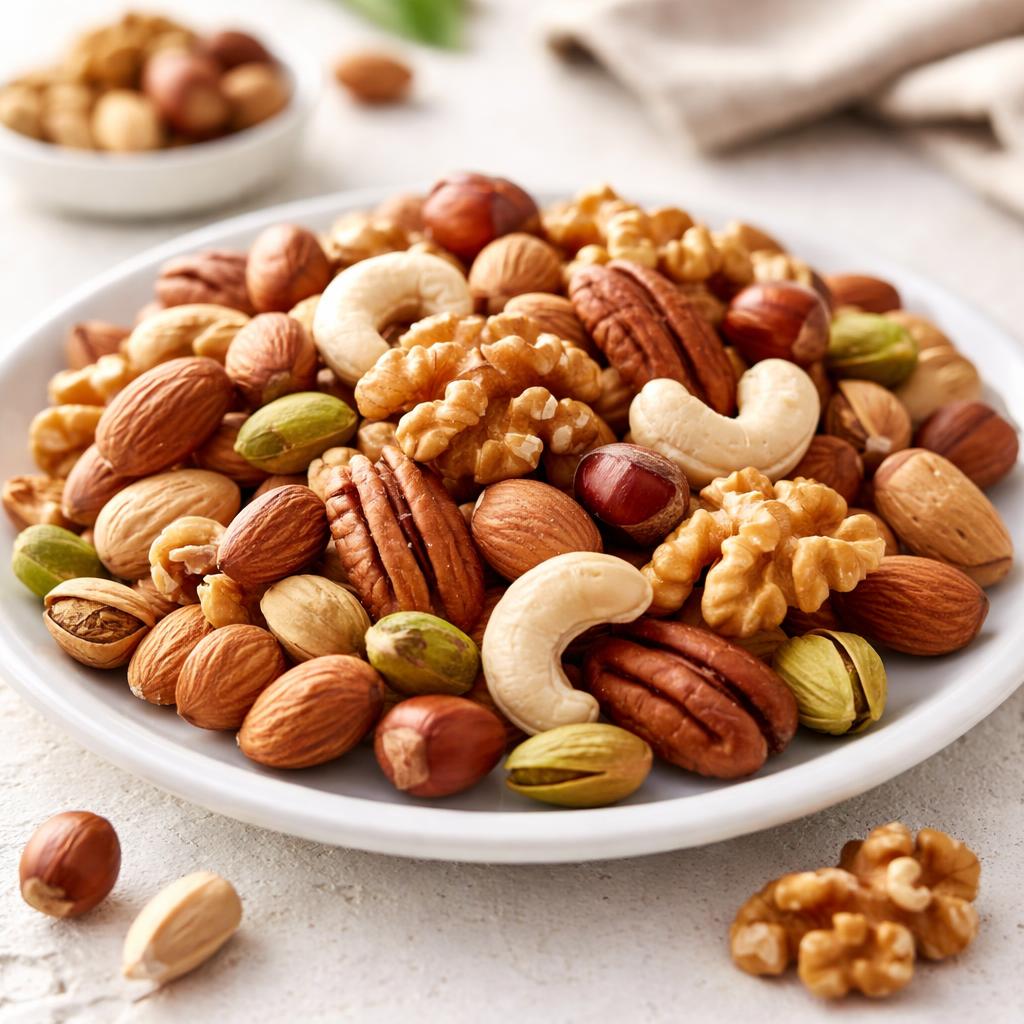
Nuts
🎯 Quick Verdict
Cheese and nuts are nutritionally rich but serve different purposes in diets. Cheese is higher in protein and lower in calories, making it ideal for weight loss and muscle maintenance. Nuts are packed with healthy fats and fiber, supporting heart health and sustained energy. Both are beneficial but cater to distinct dietary needs.

Smart Nutrition Tracking with SnapCalorie

📊 Nutritional Comparison
Macronutrients
| Nutrient | Food 1 | Food 2 | Winner |
|---|---|---|---|
| Calories | 113 | 160 | ✓ |
| Protein | 7g | 5g | ✓ |
| Carbs | 1g | 6g | ✓ |
| Fat | 9g | 14g | ✓ |
| Fiber | 0g | 3g | ✓ |
Vitamins & Minerals
| Nutrient | Food 1 | Food 2 | Winner |
|---|---|---|---|
| Vitamin D | 0.1mcg | 0mcg | ✓ |
| Calcium | 200mg | 30mg | ✓ |
| Iron | 0.1mg | 1.2mg | ✓ |
| Magnesium | 7mg | 76mg | ✓ |
🏆 Category Winners
Protein
Cheese provides 40% more protein per serving, making it ideal for muscle building.
Fiber
Nuts contain 3g of fiber per serving compared to none in cheese.
Calories
Cheese has fewer calories per serving (113 vs 160).
Vitamins
Nuts shine with higher iron and magnesium levels, crucial for energy and metabolism.
🥗 Diet Compatibility
Keto
Food 1: Compatible
Food 2: Compatible
Both are low-carb with moderate fat content.
Vegan
Food 1: Not Compatible
Food 2: Compatible
Cheese is animal-derived; nuts are plant-based.
Gluten Free
Food 1: Compatible
Food 2: Compatible
Neither contain gluten.
Paleo
Food 1: Not Compatible
Food 2: Compatible
Cheese is not allowed on strict paleo diets; nuts are.
Low-Carb
Food 1: Compatible
Food 2: Compatible
Both foods fit well into low-carb diets.
💪 Health Benefits Comparison
Food 1 Benefits
- High in protein for muscle maintenance
- Rich in calcium for bone health
- Contains small amounts of vitamin D for immune and bone support
Food 2 Benefits
- High in healthy fats for heart health
- Rich in fiber for digestion and satiety
- Good source of magnesium for energy and nerve function
- Contains antioxidants for reducing inflammation
✅ The Bottom Line
Cheese and nuts serve different roles in diets. Choose cheese if you're seeking high protein and lower calorie options for weight management and muscle-building. Nuts are better for heart health, sustained energy, and appetite control due to their healthy fats and fiber content. Both are excellent choices, but their roles depend on your dietary goals.
Choose Food 1 for: Muscle building, weight loss, low-calorie diets
Choose Food 2 for: Heart health, sustained energy, digestion and satiety


