Cheese VS Mustard
A detailed nutritional comparison
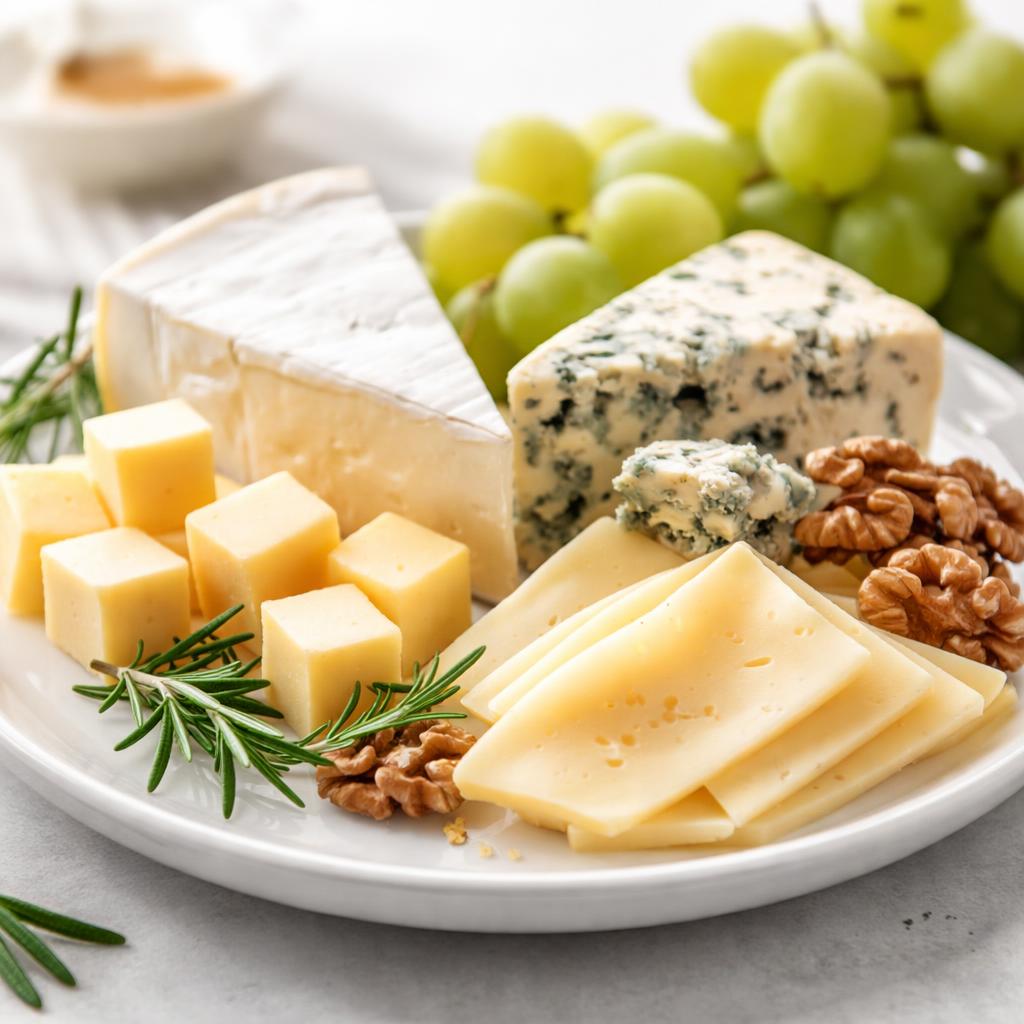
Cheese
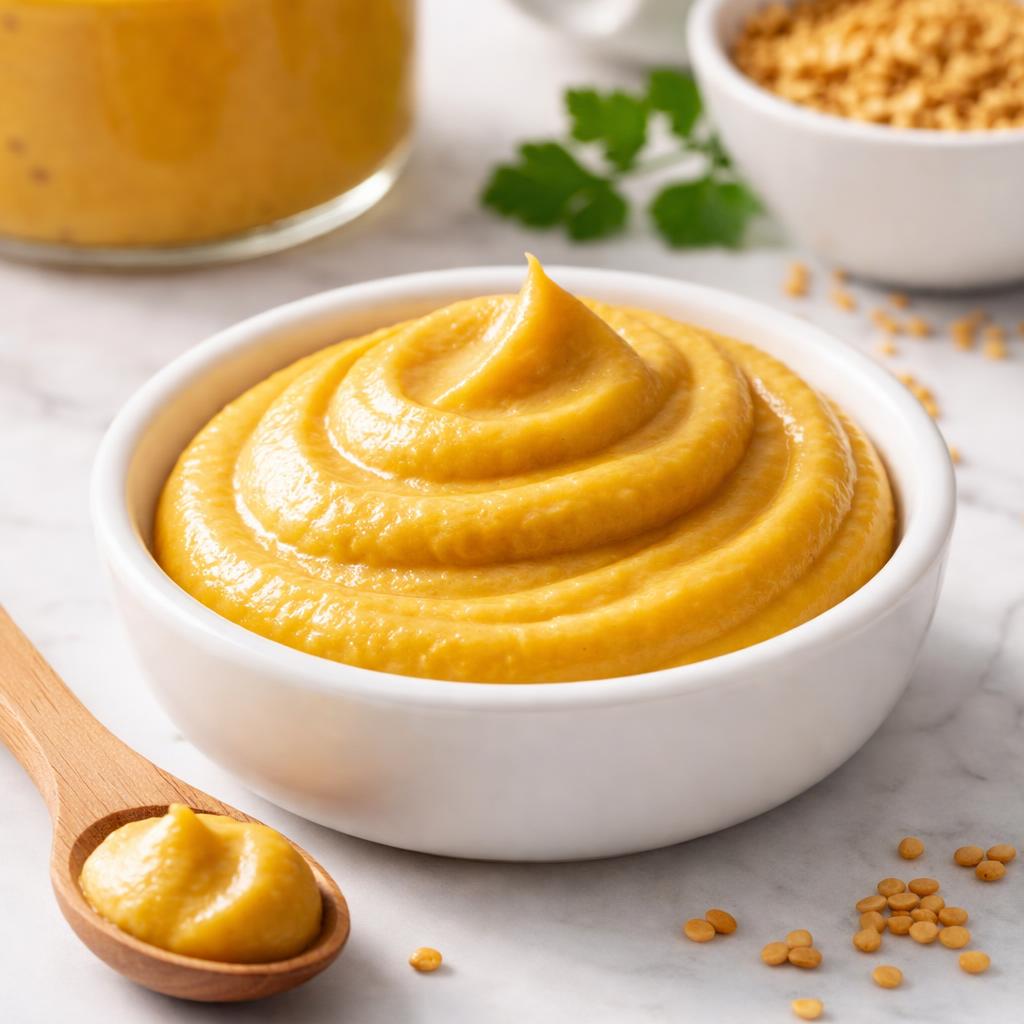
Mustard
🎯 Quick Verdict
Cheese is a nutrient-dense food, offering high protein (7g per ounce), substantial calcium, and healthy fats. In comparison, mustard is very low-calorie (5 calories per tablespoon), rich in antioxidants, and provides small amounts of fiber. Cheese is better suited for high-protein diets, while mustard can enhance flavor without adding excess calories, ideal for weight management strategies.

Smart Nutrition Tracking with SnapCalorie

📊 Nutritional Comparison
Macronutrients
| Nutrient | Food 1 | Food 2 | Winner |
|---|---|---|---|
| Calories | 113 (1 oz) | 5 (1 tbsp) | ✓ |
| Protein | 7g (1 oz) | 0.2g (1 tbsp) | ✓ |
| Carbs | 1g (1 oz) | 0.6g (1 tbsp) | − |
| Fat | 9g (1 oz) | 0.4g (1 tbsp) | ✓ |
| Fiber | 0g (1 oz) | 0.3g (1 tbsp) | ✓ |
Vitamins & Minerals
| Nutrient | Food 1 | Food 2 | Winner |
|---|---|---|---|
| Vitamin A | 196 IU (1 oz) | 9 IU (1 tbsp) | ✓ |
| Vitamin D | 0.2 mcg (1 oz) | 0 mcg (1 tbsp) | ✓ |
| Calcium | 200 mg (1 oz) | 5 mg (1 tbsp) | ✓ |
| Iron | 0.02 mg (1 oz) | 0.28 mg (1 tbsp) | ✓ |
🏆 Category Winners
Protein
Cheese contains significantly more protein (7g per serving) compared to mustard's negligible amount.
Fiber
Mustard provides 0.3g of fiber per tablespoon, while cheese contains no fiber.
Calories
Mustard is extremely low-calorie (5 calories per tablespoon) compared to cheese's higher calorie count (113 per ounce).
Vitamins
Cheese delivers much more vitamin A, calcium, and vitamin D, making it richer in essential vitamins.
🥗 Diet Compatibility
Keto
Food 1: Compatible
Food 2: Compatible
Both cheese and mustard are low-carb and fit well within the ketogenic guidelines.
Vegan
Food 1: Not Compatible
Food 2: Compatible
Cheese is derived from animal products, whereas mustard is plant-based.
Gluten Free
Food 1: Compatible
Food 2: Compatible
Neither cheese nor mustard contains gluten.
Paleo
Food 1: Not Compatible
Food 2: Compatible
Cheese is not paleo-approved due to its dairy origin, while mustard can be included if additives are minimal.
Low Carb
Food 1: Compatible
Food 2: Compatible
Both foods contain very low carbohydrate amounts, suitable for low-carb diets.
💪 Health Benefits Comparison
Food 1 Benefits
- Excellent source of protein for muscle maintenance and repair
- Rich in calcium for bone health
- Contains healthy fats which may support brain function
Food 2 Benefits
- Low-calorie condiment ideal for weight management
- Rich in antioxidants which help fight free radical damage
- Contains mild anti-inflammatory properties due to turmeric or mustard seeds
✅ The Bottom Line
Choose cheese for its high protein content, calcium, and role in satisfying hunger—perfect for weight gain plans, keto diets, or post-workout recovery. Opt for mustard as a low-calorie, flavorful condiment that enhances meals while providing antioxidants and fiber for digestion.
Choose Food 1 for: High-protein diets, post-workout recovery, bone health
Choose Food 2 for: Weight management, low-calorie meal enhancement, antioxidant support


