Cheese VS Mayo
A detailed nutritional comparison
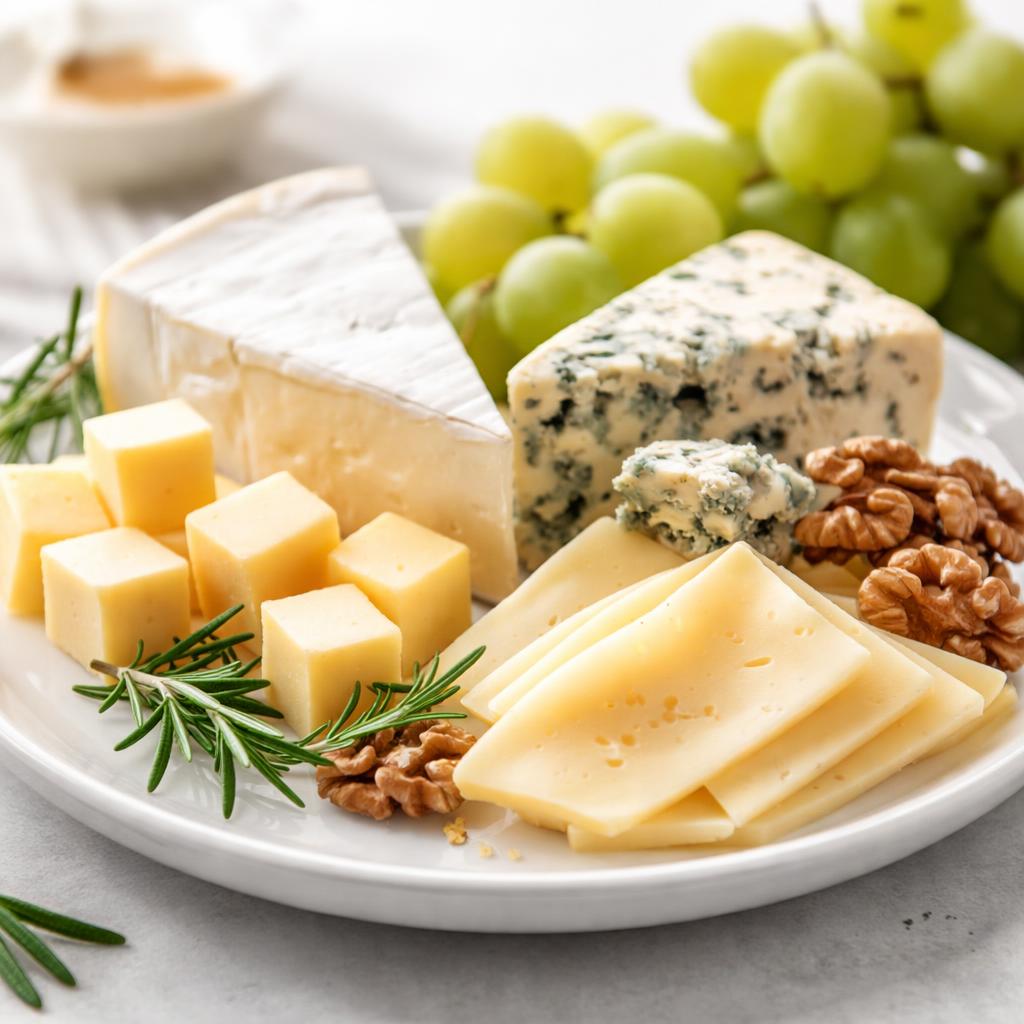
Cheese
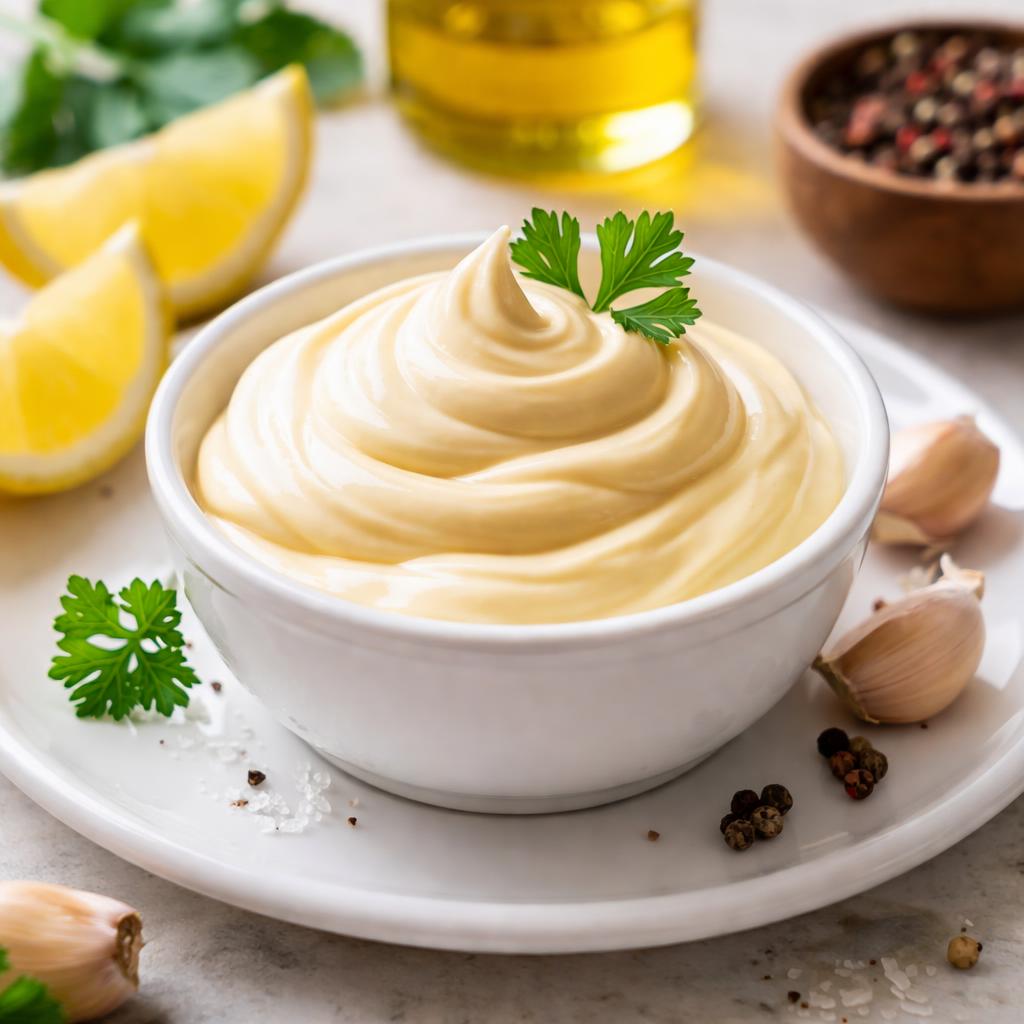
Mayo
🎯 Quick Verdict
Cheese is higher in protein and significantly lower in calories compared to mayo, making it a better choice for muscle-building and weight management. Mayo, on the other hand, is rich in healthy fats but provides negligible protein and is calorie-dense, making it suitable for energy needs but less ideal for weight-conscious diets.

Smart Nutrition Tracking with SnapCalorie

📊 Nutritional Comparison
Macronutrients
| Nutrient | Food 1 | Food 2 | Winner |
|---|---|---|---|
| Calories | 110 (per 1 oz) | 94 (per 1 tbsp) | ✓ |
| Protein | 7g | 0g | ✓ |
| Carbs | 0.4g | 0g | ✓ |
| Fat | 9g | 10g | ✓ |
| Fiber | 0g | 0g | − |
Vitamins & Minerals
| Nutrient | Food 1 | Food 2 | Winner |
|---|---|---|---|
| Vitamin D | 0.1mcg | 0mcg | ✓ |
| Calcium | 200mg | 0mg | ✓ |
| Iron | 0.1mg | 0.2mg | ✓ |
🏆 Category Winners
Protein
Cheese contains 7g of protein per serving, while mayo contains none.
Fiber
Neither cheese nor mayo contains dietary fiber.
Calories
Cheese has fewer calories per respective serving size compared to mayo.
🥗 Diet Compatibility
Keto
Food 1: Compatible
Food 2: Compatible
Both foods are low in carbs and high in fats, ideal for keto diets.
Vegan
Food 1: Not Compatible
Food 2: Not Compatible
Both foods are animal-derived (cheese from dairy and mayo typically from egg yolks).
Gluten Free
Food 1: Compatible
Food 2: Compatible
Neither food contains gluten.
Paleo
Food 1: Not Compatible
Food 2: Conditionally Compatible
Cheese is not paleo-friendly as dairy is excluded; mayo may be compatible if made without processed oils.
Low Carb
Food 1: Compatible
Food 2: Compatible
Both foods are low-carb and suitable for low-carb diets.
💪 Health Benefits Comparison
Food 1 Benefits
- Rich in protein to support muscle repair and growth
- High in calcium for bone health
- Contains small amounts of vitamin D to support immunity
Food 2 Benefits
- Rich in monounsaturated fats which support heart health
- Provides energy-dense calories for those with high energy demands
- Contains antioxidant vitamin E if made from certain oils
✅ The Bottom Line
Cheese is a better choice for those focusing on protein intake, weight loss, and overall nutrient density, making it ideal for active individuals and those aiming for muscle maintenance. Mayo works well for high-calorie, fat-rich diets and can serve as a flavor enhancer or energy booster.
Choose Food 1 for: Weight management, muscle maintenance, balanced diets
Choose Food 2 for: Energy-dense diets, keto plans, flavor enhancement in meals


