Cheese VS Macaroni
A detailed nutritional comparison
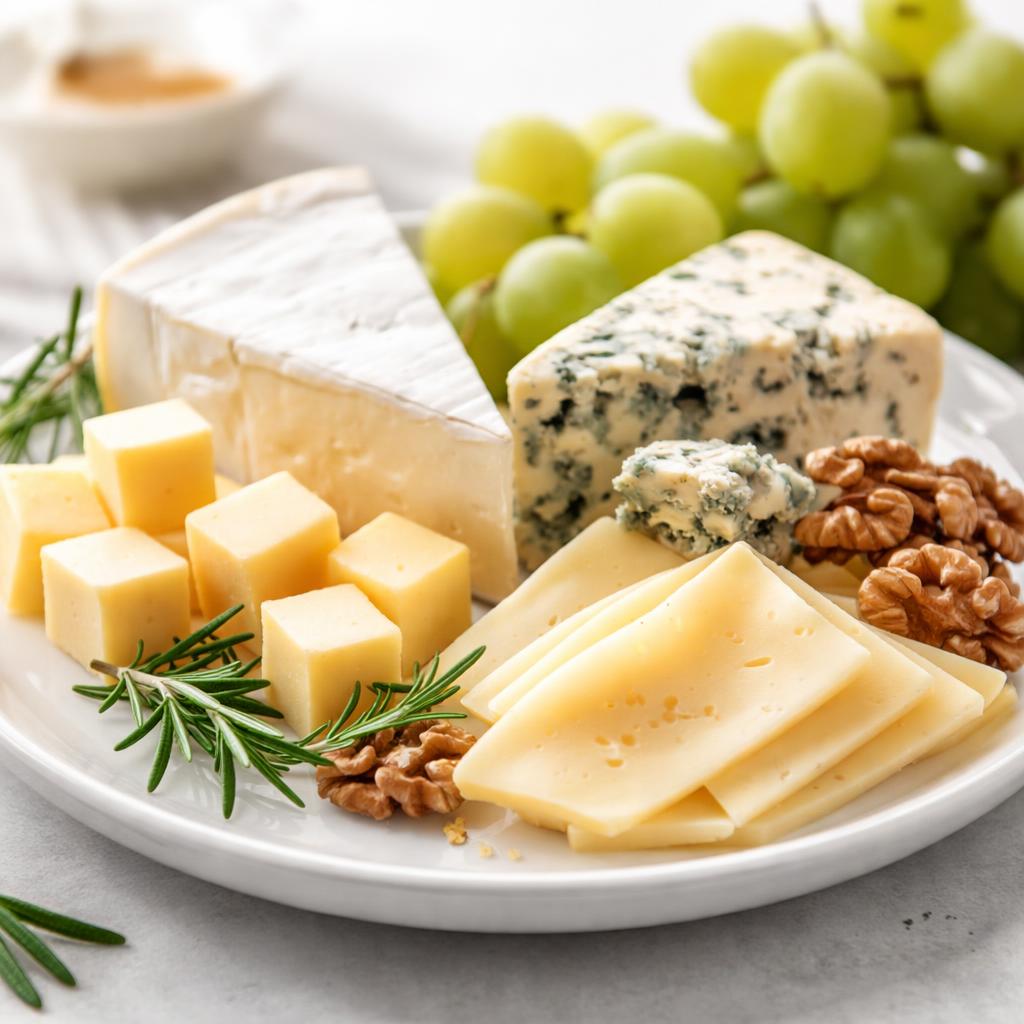
Cheese
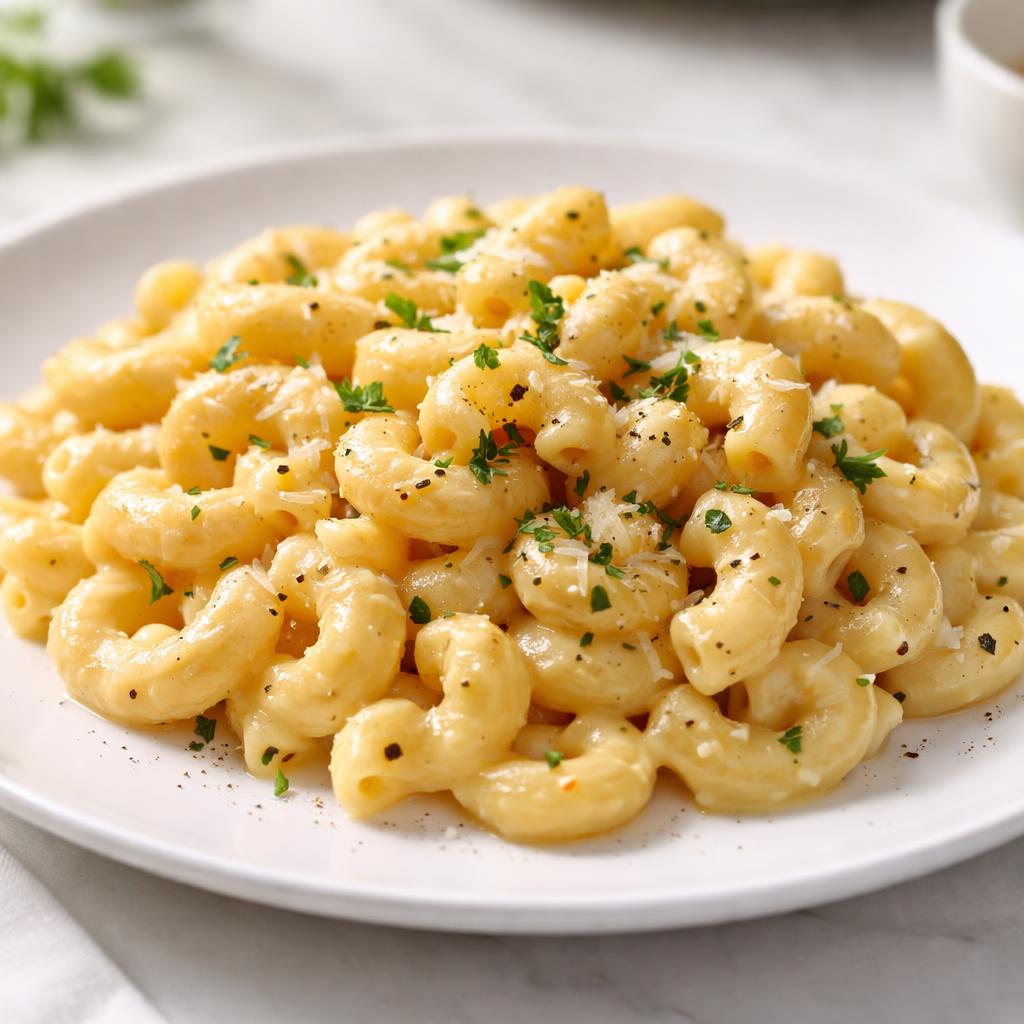
Macaroni
🎯 Quick Verdict
Cheese is a protein-rich, low-carb option with fewer calories, making it great for weight loss or keto diets. Macaroni provides more fiber and carbohydrates, ideal for energy and heartier meals. Choose cheese for protein and fat needs, or macaroni for energy and fiber intake depending on your goals.

Smart Nutrition Tracking with SnapCalorie

📊 Nutritional Comparison
Macronutrients
| Nutrient | Food 1 | Food 2 | Winner |
|---|---|---|---|
| Calories | 402 per 100g | 131 per 100g (cooked) | ✓ |
| Protein | 25g per 100g | 5g per 100g (cooked) | ✓ |
| Carbs | 1g per 100g | 25g per 100g (cooked) | ✓ |
| Fat | 33g per 100g | 1g per 100g (cooked) | ✓ |
| Fiber | 0g per 100g | 1.3g per 100g (cooked) | ✓ |
Vitamins & Minerals
| Nutrient | Food 1 | Food 2 | Winner |
|---|---|---|---|
| Calcium | 721mg per 100g | 6mg per 100g | ✓ |
| Iron | 0.7mg per 100g | 0.6mg per 100g | − |
| Vitamin A | 330IU per 100g | 0IU per 100g | ✓ |
🏆 Category Winners
Protein
Cheese provides 5x more protein than macaroni per 100g.
Fiber
Macaroni offers dietary fiber, while cheese does not.
Calories
Macaroni contains significantly fewer calories per serving.
Vitamins
Cheese is a rich source of calcium and vitamin A that macaroni lacks.
🥗 Diet Compatibility
Keto
Food 1: Compatible
Food 2: Not Compatible
Cheese is low-carb (<1g per serving), while macaroni is high in carbs.
Vegan
Food 1: Not Compatible
Food 2: Compatible
Cheese is an animal product; macaroni is plant-based.
Gluten Free
Food 1: Compatible
Food 2: Not Compatible
Cheese contains no gluten, but macaroni typically made from wheat contains gluten.
Paleo
Food 1: Not Compatible
Food 2: Not Compatible
Cheese and macaroni are not permitted in strict paleo diets.
Low Carb
Food 1: Compatible
Food 2: Not Compatible
Cheese has minimal carbs; macaroni is moderately high-carb.
💪 Health Benefits Comparison
Food 1 Benefits
- Excellent source of calcium for strong bones and teeth
- High in protein, aiding in muscle growth and maintenance
- Rich in healthy fats for sustained energy
Food 2 Benefits
- Provides long-lasting energy due to its carbohydrate content
- Contains dietary fiber for digestive health
- A versatile food that pairs well with nutrient-dense sauces
✅ The Bottom Line
Cheese is a better choice for keto or low-carb diets thanks to its high protein and minimal carbs, while macaroni works well for individuals needing energy and fiber for an active lifestyle. Consider your dietary goals and meal plans when choosing.
Choose Food 1 for: Keto diets, protein intake, calcium-rich diets
Choose Food 2 for: Energy needs, fiber intake, quick and filling meals


