Cheese VS Lemon
A detailed nutritional comparison
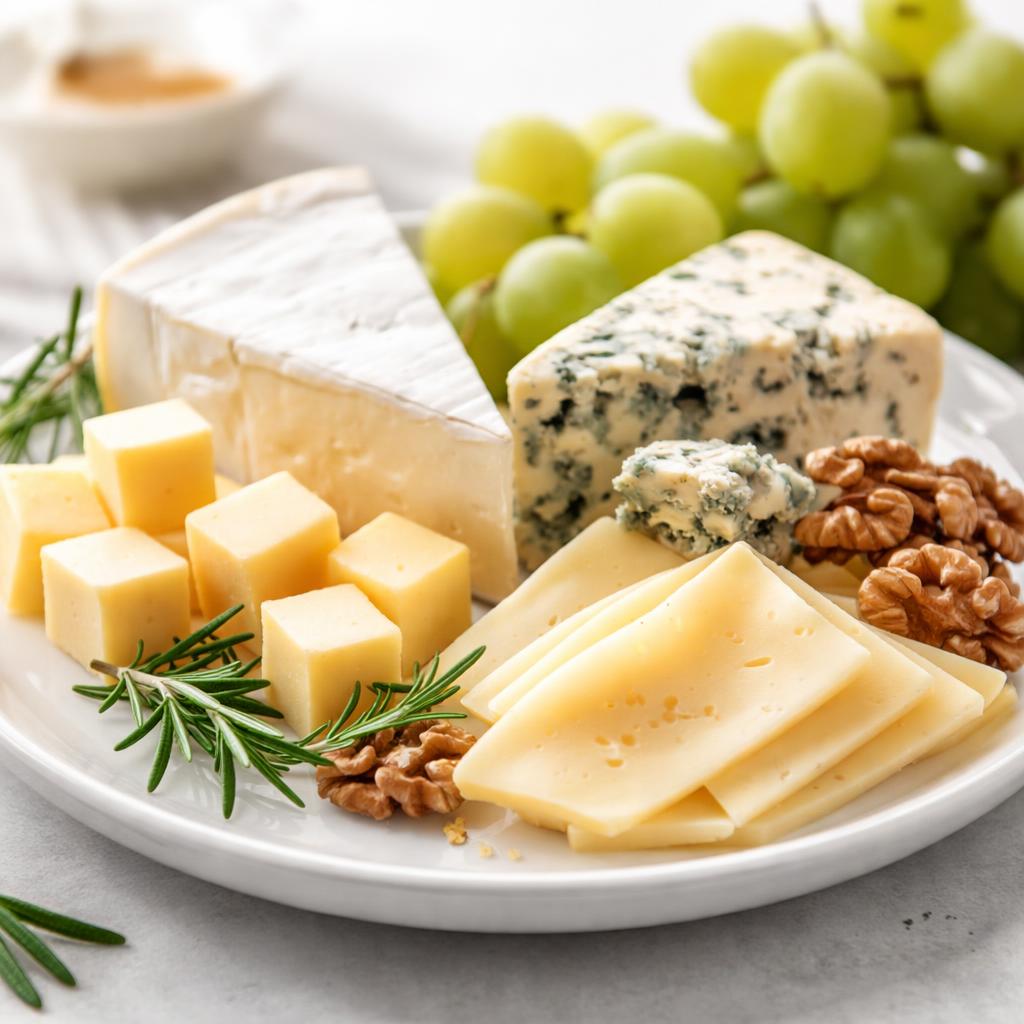
Cheese
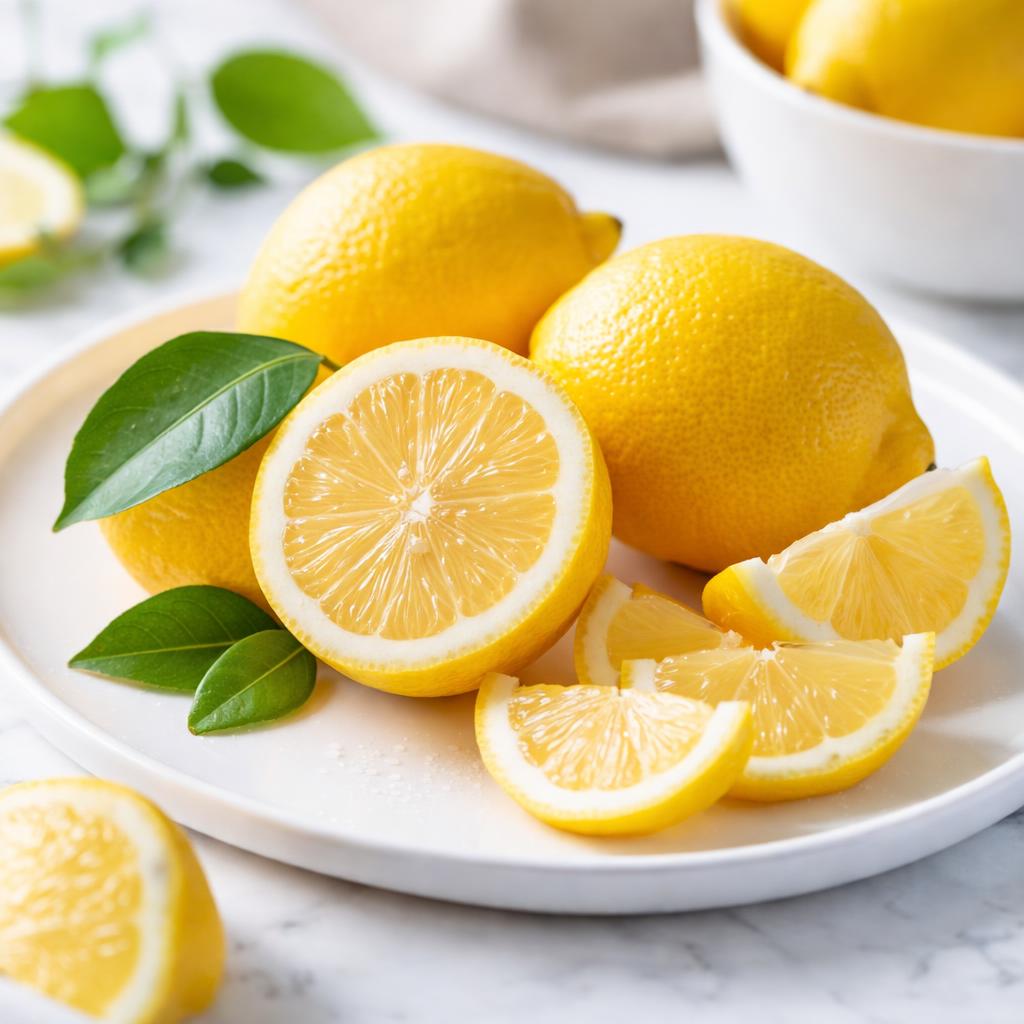
Lemon
🎯 Quick Verdict
Cheese and lemons have vastly different nutritional profiles. Cheese is protein-rich and calorie-dense, making it ideal for muscle-building diets. Lemons are low-calorie and high in fiber, perfect for digestion and hydration. They complement different dietary needs, so choose based on your goals.

Smart Nutrition Tracking with SnapCalorie

📊 Nutritional Comparison
Macronutrients
| Nutrient | Food 1 | Food 2 | Winner |
|---|---|---|---|
| Calories | 110 per ounce | 20 per lemon (58g) | ✓ |
| Protein | 7g per ounce | 0.6g per lemon | ✓ |
| Carbs | 1g per ounce | 6g per lemon | ✓ |
| Fat | 9g per ounce | 0.2g per lemon | ✓ |
| Fiber | 0g per ounce | 1.8g per lemon | ✓ |
Vitamins & Minerals
| Nutrient | Food 1 | Food 2 | Winner |
|---|---|---|---|
| Vitamin C | 0mg | 30mg per lemon | ✓ |
| Calcium | 180mg per ounce | 15mg per lemon | ✓ |
| Iron | 0.2mg per ounce | 0.1mg per lemon | ✓ |
🏆 Category Winners
Protein
Cheese contains significantly more protein (7g per ounce) compared to lemon.
Fiber
Lemon contains 1.8g of fiber per fruit, while cheese has none.
Calories
One lemon has only 20 calories, much fewer than cheese's 110 calories per ounce.
Vitamins
Lemon provides high Vitamin C content (30mg per fruit), while cheese offers negligible amounts.
🥗 Diet Compatibility
Keto
Food 1: Compatible
Food 2: Compatible
Cheese is low-carb and lemon is generally keto-friendly due to its low net carbs.
Vegan
Food 1: Not Compatible
Food 2: Compatible
Cheese is animal-based, but lemons are fully plant-based.
Gluten Free
Food 1: Compatible
Food 2: Compatible
Neither food contains gluten.
Paleo
Food 1: Not Compatible
Food 2: Compatible
Cheese is excluded in paleo diets, but lemons fit the criteria.
Low-Carb
Food 1: Compatible
Food 2: Compatible
Both foods are low in carbs, with cheese being the lowest-carb option.
💪 Health Benefits Comparison
Food 1 Benefits
- High in protein for muscle repair and maintenance
- Rich in calcium for bone health
- Provides healthy fats for energy
Food 2 Benefits
- High in Vitamin C for immune support
- Good source of fiber for digestive health
- Promotes hydration due to its water content
✅ The Bottom Line
Cheese excels as a high-protein, calorie-dense food suitable for muscle gain and keto diets, while lemon is ideal for low-calorie hydration, digestion, and immune support. They serve different purposes in a balanced diet.
Choose Food 1 for: Muscle gain, high-fat diets, meal enrichment
Choose Food 2 for: Hydration, weight loss, digestion support


