Cheese VS Latte
A detailed nutritional comparison
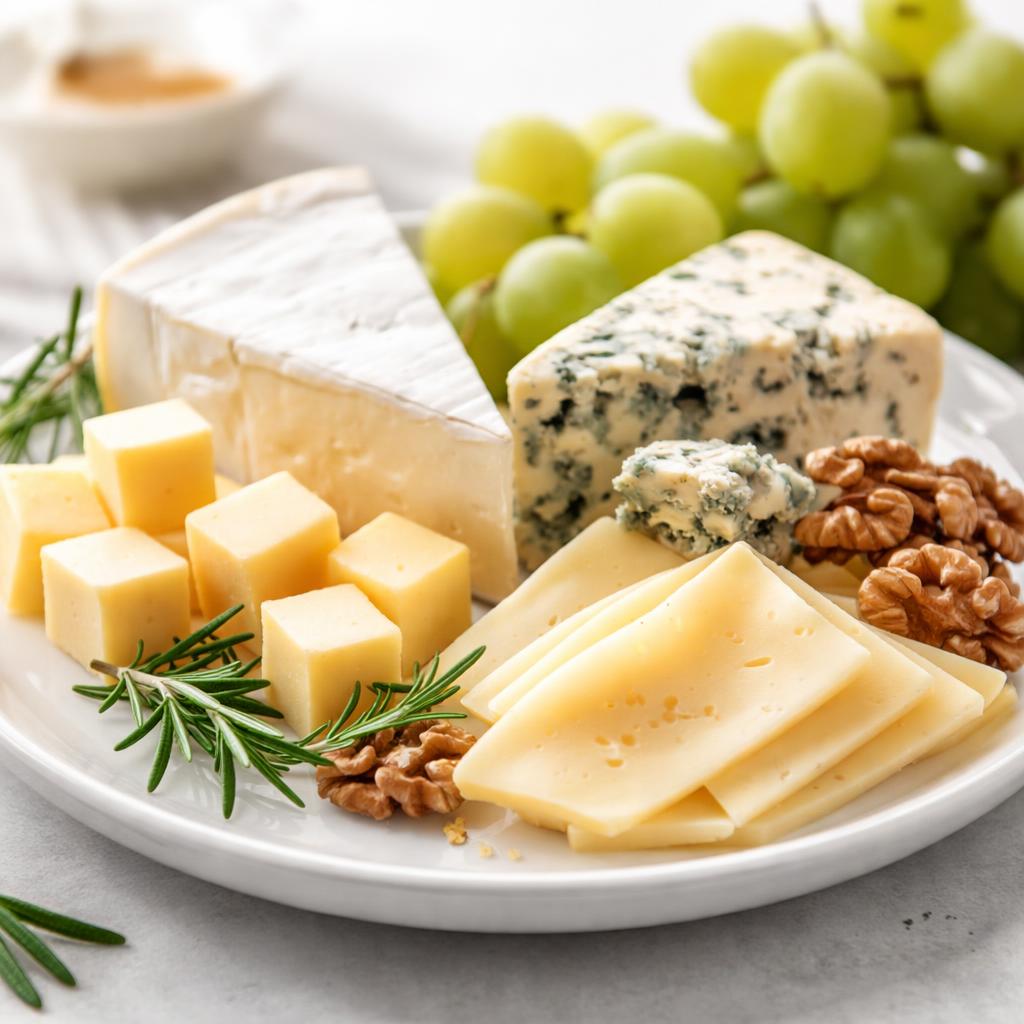
Cheese
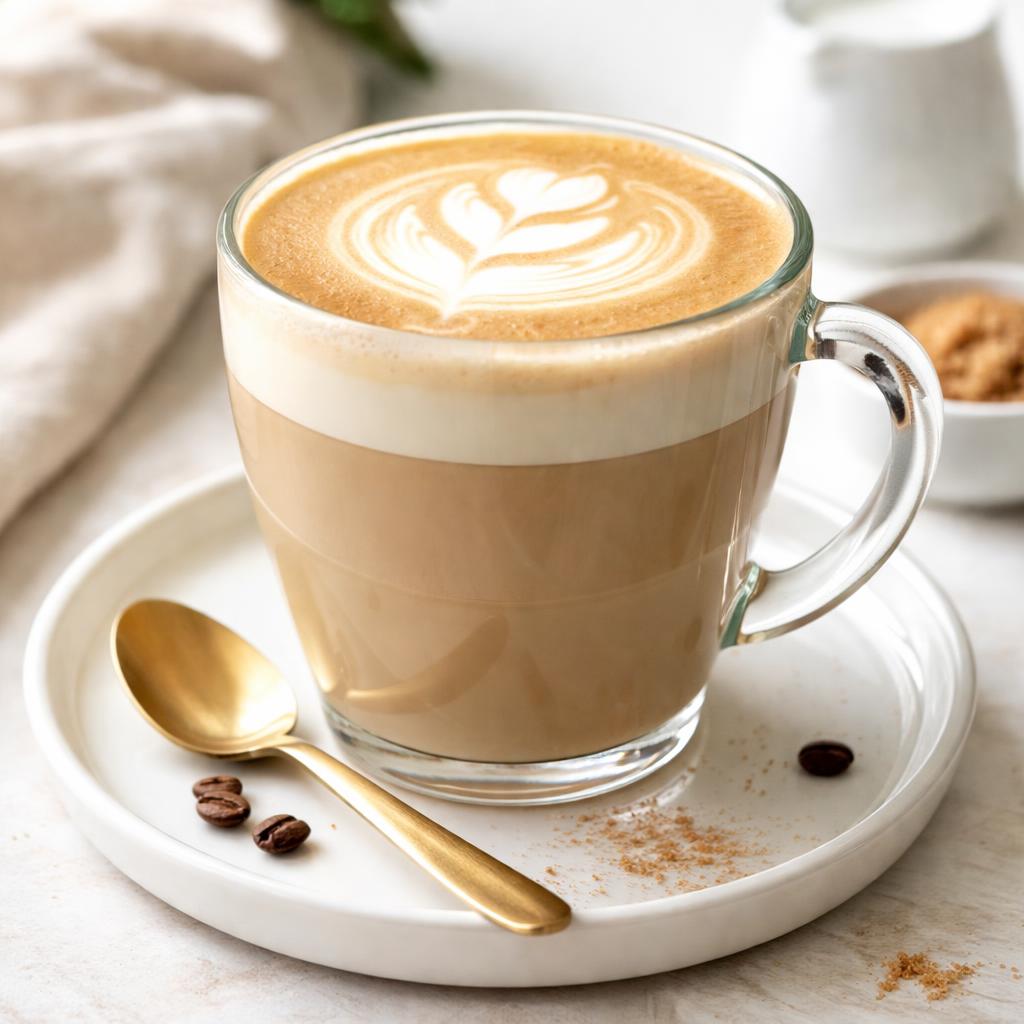
Latte
🎯 Quick Verdict
Cheese is a nutrient-dense food high in protein, calcium, and healthy fats, making it excellent for muscle maintenance and bone health. A latte, on the other hand, is lower in calories and perfect for fiber intake from milk alternatives but has less protein and vitamins overall. Both can have a place in different dietary scenarios depending on goals like weight loss or energy balance.

Smart Nutrition Tracking with SnapCalorie

📊 Nutritional Comparison
Macronutrients
| Nutrient | Food 1 | Food 2 | Winner |
|---|---|---|---|
| Calories | 110 | 60 | ✓ |
| Protein | 7g | 2g | ✓ |
| Carbs | 1g | 9g | ✓ |
| Fat | 9g | 2g | ✓ |
| Fiber | 0g | 1g | ✓ |
Vitamins & Minerals
| Nutrient | Food 1 | Food 2 | Winner |
|---|---|---|---|
| Calcium | 200mg | 120mg | ✓ |
| Vitamin D | 0.2mcg | 0.5mcg | ✓ |
| Iron | 0.1mg | 0.2mg | ✓ |
🏆 Category Winners
Protein
Cheese contains over three times as much protein as a latte per serving.
Fiber
Latte has 1 gram of fiber compared to none in cheese.
Calories
Latte has nearly half the calories of cheese per serving.
Vitamins
Latte edges ahead with higher Vitamin D and iron content.
🥗 Diet Compatibility
Keto
Food 1: Compatible
Food 2: Not Compatible
Cheese is low-carb and high-fat, ideal for keto diets.
Vegan
Food 1: Not Compatible
Food 2: Compatible if made with plant-based milk
Cheese is an animal product, but lattes can use vegan alternatives.
Gluten Free
Food 1: Compatible
Food 2: Compatible
Neither food contains gluten.
Paleo
Food 1: Not Compatible
Food 2: Compatible if made with non-dairy milk
Cheese is excluded in paleo diets whereas plant-based lattes may fit.
Low-Carb
Food 1: Compatible
Food 2: Not Compatible
Cheese has minimal carbs compared to a latte.
💪 Health Benefits Comparison
Food 1 Benefits
- Rich in calcium for strong bones and teeth
- High in protein for muscle repair and maintenance
- Contains healthy fats to support energy and cellular function
Food 2 Benefits
- Lower in calories for weight management
- Provides vitamin D for immune support
- Contains some fiber to aid digestion when made with milk alternatives
✅ The Bottom Line
Cheese is ideal for high-protein diets, keto plans, and post-workout recovery due to its nutrient density and low carb content. Latte, particularly if made with plant-based milk, is better suited for light breakfasts or snacks, weight management, and fiber intake. Choose based on your specific dietary goals and taste preferences.
Choose Food 1 for: Muscle-building, keto diets, calcium-rich snacks
Choose Food 2 for: Low-calorie drinks, fiber intake, afternoon energy boost


