Cheese VS Kimchi
A detailed nutritional comparison
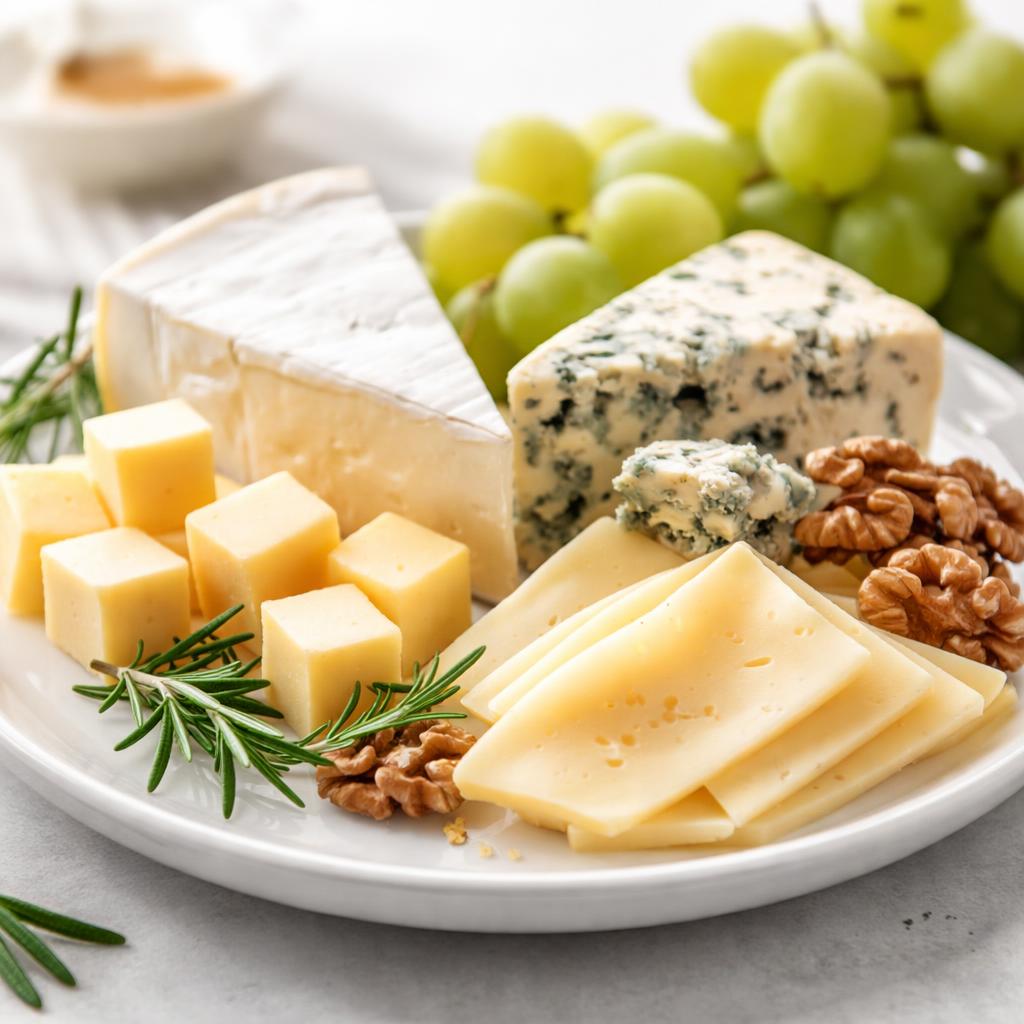
Cheese
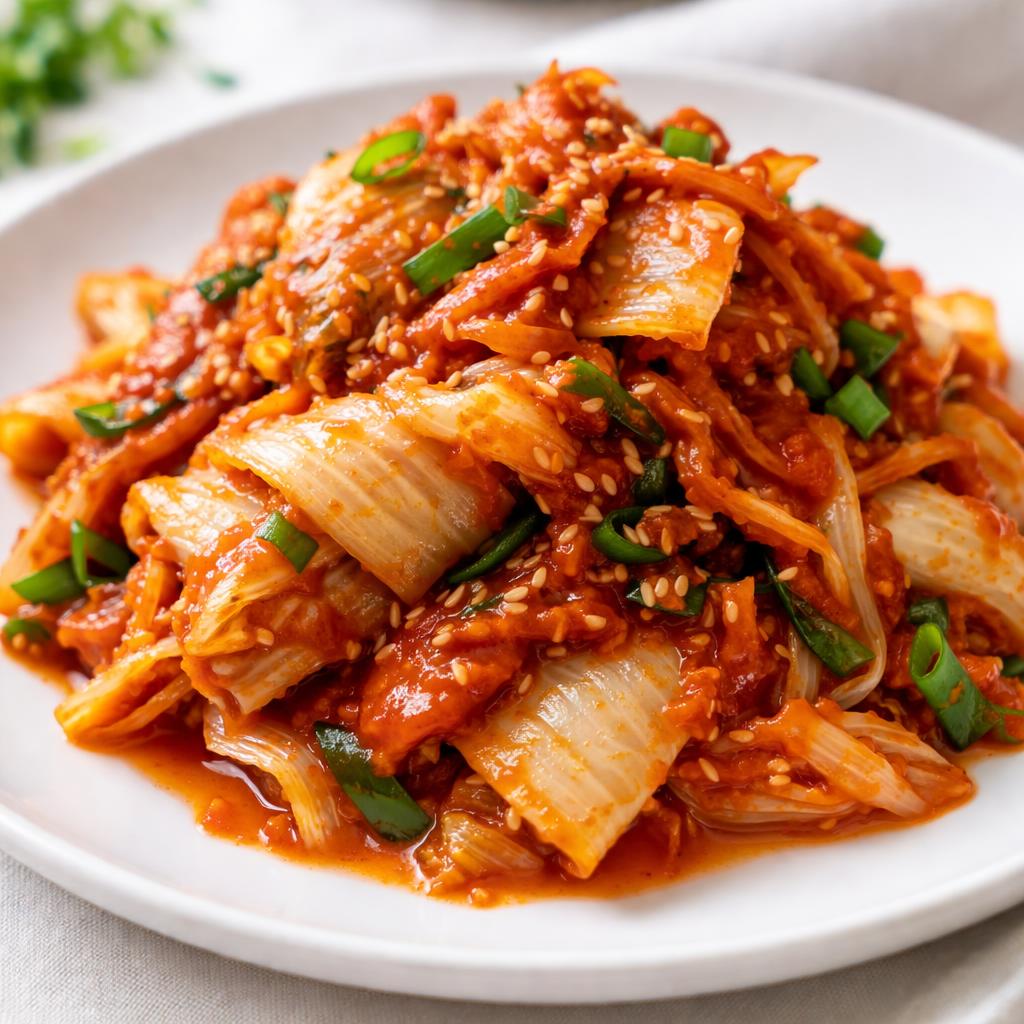
Kimchi
🎯 Quick Verdict
Cheese and kimchi serve very different dietary roles, with cheese being rich in protein and calcium, while kimchi delivers gut-friendly probiotics and fiber. Choose cheese for muscle support and satiation; opt for kimchi for digestion and overall gut health.

Smart Nutrition Tracking with SnapCalorie

📊 Nutritional Comparison
Macronutrients
| Nutrient | Food 1 | Food 2 | Winner |
|---|---|---|---|
| Calories | 113 (per 1 oz) | 34 (per 1 oz) | ✓ |
| Protein | 7g | 1g | ✓ |
| Carbs | 1g | 4g | ✓ |
| Fat | 9g | 0g | ✓ |
| Fiber | 0g | 2g | ✓ |
Vitamins & Minerals
| Nutrient | Food 1 | Food 2 | Winner |
|---|---|---|---|
| Vitamin D | 0.3mcg | 0mcg | ✓ |
| Calcium | 200mg | 24mg | ✓ |
| Iron | 0.2mg | 0.6mg | ✓ |
| Vitamin C | 0mg | 19mg | ✓ |
🏆 Category Winners
Protein
Cheese provides 7g protein per ounce, ideal for muscle building.
Fiber
Kimchi delivers 2g of fiber, which supports digestion.
Calories
Kimchi is much lower in calories compared to cheese.
Vitamins
Kimchi is richer in vitamin C and iron for immune health and energy.
🥗 Diet Compatibility
Keto
Food 1: Compatible
Food 2: Compatible
Both are low-carb, but cheese is higher in fats ideal for keto.
Vegan
Food 1: Not Compatible
Food 2: Compatible
Cheese is made from dairy, while kimchi is plant-based.
Gluten Free
Food 1: Compatible
Food 2: Compatible
Neither typically contains gluten, though kimchi must be checked for additives.
Paleo
Food 1: Not Compatible
Food 2: Compatible
Cheese is excluded from strict paleo diets, while kimchi fits paleo guidelines.
Low-Carb
Food 1: Compatible
Food 2: Compatible
Both are suitable for low-carb diets, but cheese offers no fiber to offset carbs.
💪 Health Benefits Comparison
Food 1 Benefits
- Rich in protein for muscle support and satiety
- Excellent source of calcium for bone health
- Contains vitamin D to aid calcium absorption
Food 2 Benefits
- High in probiotics for gut health and digestion
- Provides fiber to promote regularity
- Rich in vitamin C to boost immune function
✅ The Bottom Line
Food1 (cheese) is ideal for protein and calcium intake, making it excellent for muscle support and bone health. Food2 (kimchi) shines as a low-calorie, gut-health-friendly option that is high in probiotics and fiber. Use cheese in post-workout meals or keto diets, while kimchi is perfect for digestion and immune support in plant-based, paleo, or low-calorie diets.
Choose Food 1 for: Muscle support, keto diets, post-workout meals
Choose Food 2 for: Gut health, low-calorie diets, immune support


