Cheese VS Kale
A detailed nutritional comparison
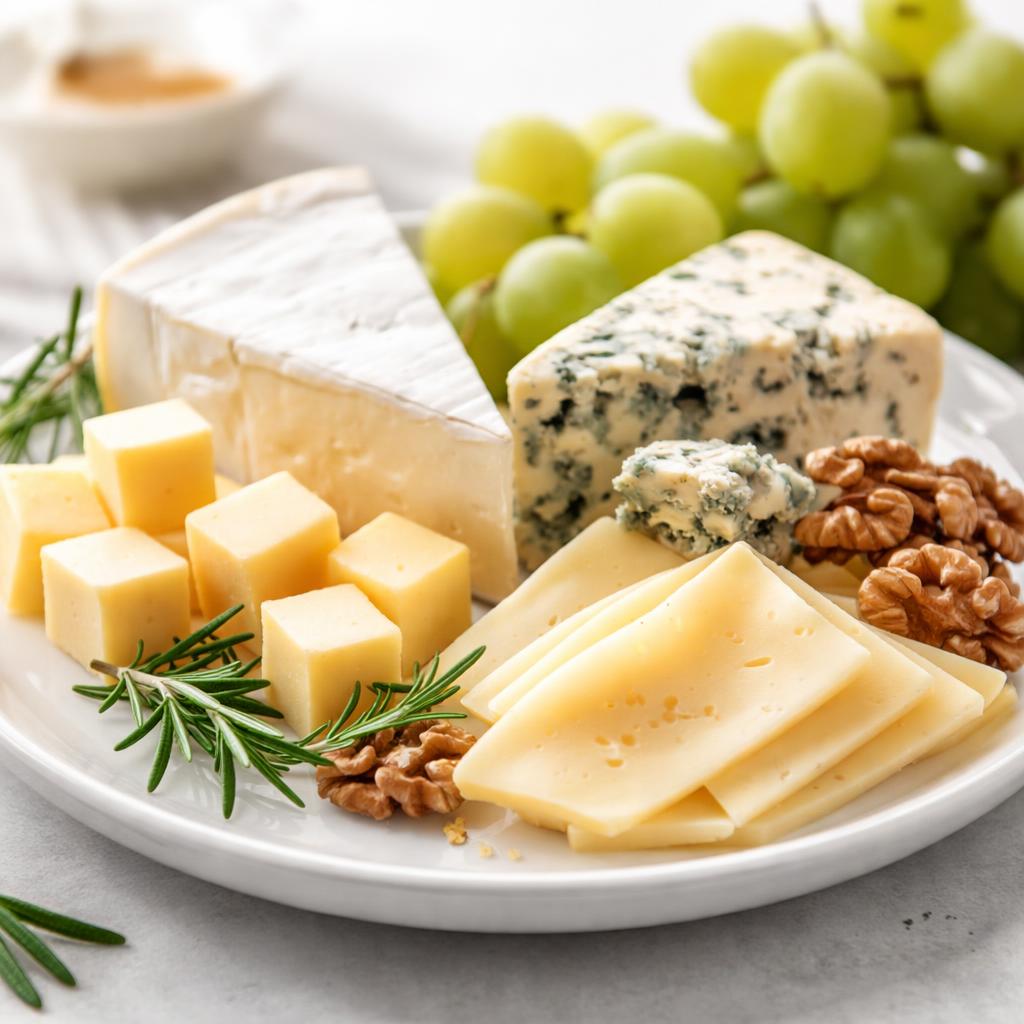
Cheese
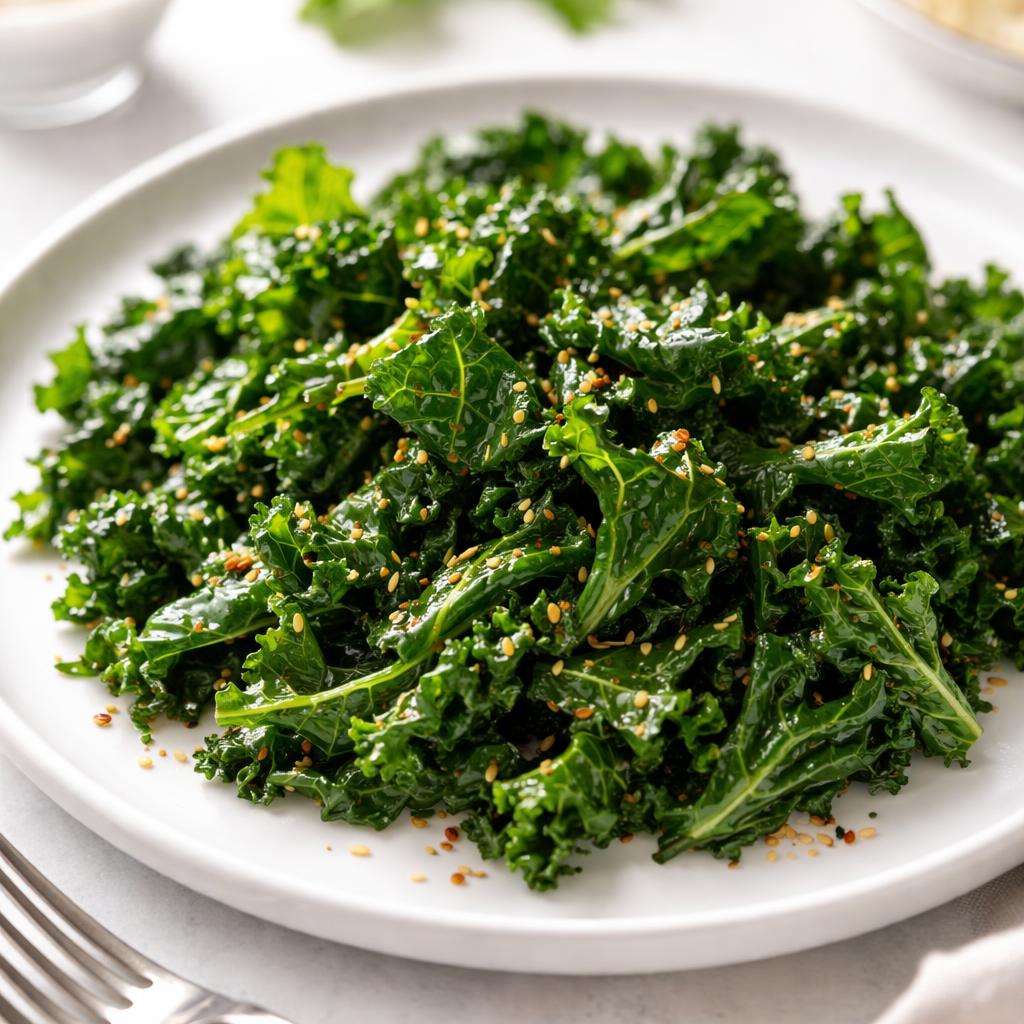
Kale
🎯 Quick Verdict
Cheese is higher in protein and fat, making it ideal for high-protein and keto diets, whereas kale excels in fiber and micronutrients, suiting calorie-conscious and nutrient-dense diets. Choose cheese for energy and muscle building, and kale for digestion and overall health benefits.

Smart Nutrition Tracking with SnapCalorie

📊 Nutritional Comparison
Macronutrients
| Nutrient | Food 1 | Food 2 | Winner |
|---|---|---|---|
| Calories | 402 (per 100g) | 50 (per 100g) | ✓ |
| Protein | 25g | 3.3g | ✓ |
| Carbs | 1.3g | 10g | ✓ |
| Fat | 33.3g | 0.6g | ✓ |
| Fiber | 0g | 2g | ✓ |
Vitamins & Minerals
| Nutrient | Food 1 | Food 2 | Winner |
|---|---|---|---|
| Vitamin A | 317 IU | 4812 IU | ✓ |
| Vitamin C | None | 120mg | ✓ |
| Vitamin K | 2.3mcg | 704mcg | ✓ |
| Calcium | 721mg | 150mg | ✓ |
| Iron | 0.2mg | 1.5mg | ✓ |
🏆 Category Winners
Protein
Cheese is significantly higher in protein, with 25g per 100g versus 3.3g in kale.
Fiber
Kale provides 2g of fiber per 100g while cheese contains none.
Calories
Kale is much lower in calories (50 calories per 100g) compared to cheese (402 calories per 100g).
Vitamins
Kale contains abundant levels of Vitamin A, C, and K compared to cheese, which is lower in these areas.
🥗 Diet Compatibility
Keto
Food 1: Compatible
Food 2: Compatible
Cheese is very low-carb and kale provides low net carbs, making both suitable for keto.
Vegan
Food 1: Not Compatible
Food 2: Compatible
Cheese is animal-based, while kale is plant-based.
Gluten Free
Food 1: Compatible
Food 2: Compatible
Neither food contains gluten.
Paleo
Food 1: Not Compatible
Food 2: Compatible
Cheese is processed and dairy-based, excluding it from the paleo diet.
Low Carb
Food 1: Compatible
Food 2: Compatible
Cheese is naturally low-carb, and kale has moderate carb levels but high nutrient density.
💪 Health Benefits Comparison
Food 1 Benefits
- High protein content for muscle repair and maintenance
- Rich in calcium to promote bone health
- Provides healthy fats, supporting energy needs for keto diets
- Low carbohydrate content suitable for blood sugar management
Food 2 Benefits
- High in fiber, aiding digestive health and regularity
- Rich in antioxidants, promoting overall cellular health
- Abundant vitamins (A, C, K) supporting immunity and skin health
- Low-calorie content, beneficial for weight management
✅ The Bottom Line
Cheese and kale serve different dietary purposes. Cheese is ideal for high-protein, keto, or low-carb diets, while kale is great for nutrient-dense eating, digestion, and calorie-focused plans. Consider your dietary goals to make the right choice.
Choose Food 1 for: Strength training, keto diets, and low-carb meal plans
Choose Food 2 for: Weight loss, digestive health, and nutrient-rich diets


