Cheese VS Half And Half
A detailed nutritional comparison
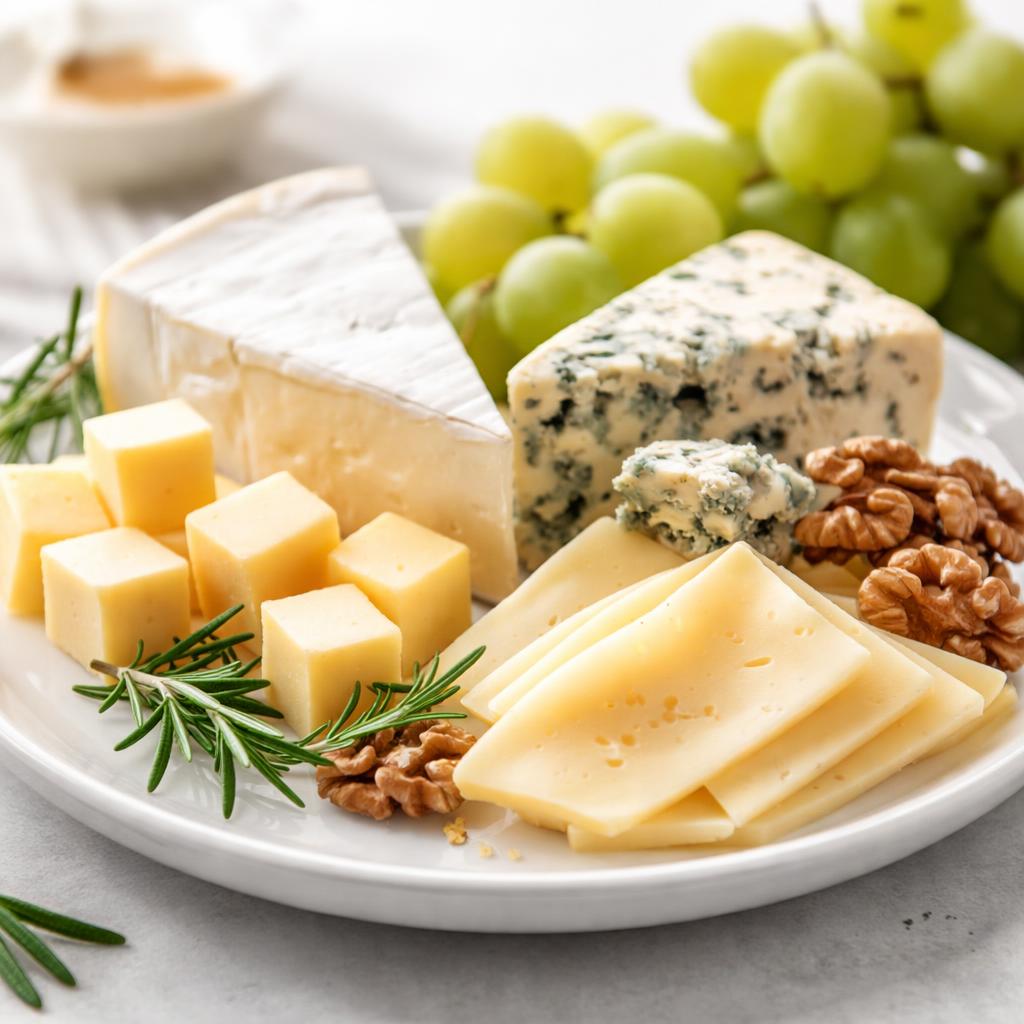
Cheese
Half And Half
🎯 Quick Verdict
Cheese dominates in protein content and micronutrient density, making it excellent for muscle maintenance and general nutrition. Half and half has fewer calories and fat per serving but is lower in protein. Cheese is a more versatile and nutrient-rich option overall, while half and half is better suited for lightening coffee or adding a creamy texture to dishes without excess calories.

Smart Nutrition Tracking with SnapCalorie

📊 Nutritional Comparison
Macronutrients
| Nutrient | Food 1 | Food 2 | Winner |
|---|---|---|---|
| Calories | 113 kcal (per 28g slice) | 40 kcal (per 2 tbsp) | ✓ |
| Protein | 7g | 1g | ✓ |
| Carbs | 1g | 1g | − |
| Fat | 9g | 3.5g | ✓ |
| Fiber | 0g | 0g | − |
Vitamins & Minerals
| Nutrient | Food 1 | Food 2 | Winner |
|---|---|---|---|
| Vitamin D | 6mcg | 1.2mcg | ✓ |
| Calcium | 200mg | 37mg | ✓ |
| Iron | 0.1mg | 0mg | ✓ |
🏆 Category Winners
Protein
Cheese offers 7g of protein per serving compared to only 1g in half and half.
Fiber
Neither product contains dietary fiber.
Calories
Half and half provides significantly fewer calories per serving (40 kcal vs 113 kcal).
🥗 Diet Compatibility
Keto
Food 1: Compatible
Food 2: Compatible
Both foods are low in carbs and high in fat, meeting keto guidelines.
Vegan
Food 1: Not Compatible
Food 2: Not Compatible
Both are derived from animal products.
Gluten Free
Food 1: Compatible
Food 2: Compatible
Neither contains gluten.
Paleo
Food 1: Sometimes Compatible
Food 2: Not Compatible
Cheese is sometimes allowed in paleo diets depending on the guidelines, while half and half is not considered paleo-friendly.
Low Carbohydrate
Food 1: Compatible
Food 2: Compatible
Both are very low in carbohydrates (1g per serving).
💪 Health Benefits Comparison
Food 1 Benefits
- Rich in protein to support muscle repair and growth
- Excellent source of calcium for bone health
- Contains vitamin D to aid in calcium absorption and immune function
- Provides healthy fats for energy
Food 2 Benefits
- Lower calorie option for weight management
- Provides small amounts of calcium for bone support
- Adds creaminess to dishes without significant nutritional imbalance
- Low carbohydrate content suitable for keto or low-carb diets
✅ The Bottom Line
Cheese is nutritionally superior due to its high protein and micronutrient content, making it a great option for meals, snacks, or post-workout. Half and half, while lower in calories, is best used as a light addition to drinks or recipes where creamy texture matters without the need for protein or micronutrients.
Choose Food 1 for: High-protein diets, bone health, post-workout recovery, keto recipes
Choose Food 2 for: Low-calorie diets, coffee, creamy recipes, keto-friendly dishes


