Cheese VS Gin
A detailed nutritional comparison
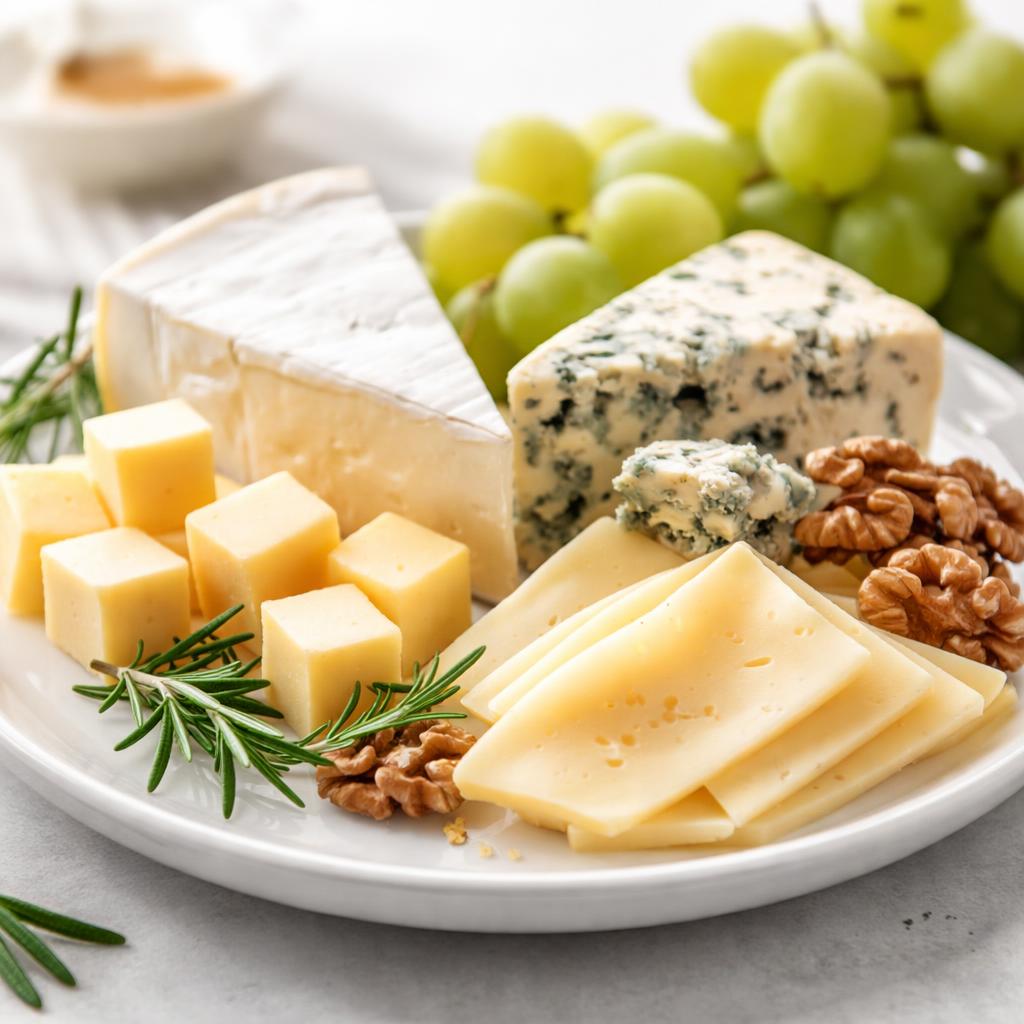
Cheese
Gin
🎯 Quick Verdict
Cheese and gin are completely different foods nutritionally. Cheese is high in protein, calcium, and fat, making it a nutrient-dense choice suitable for dietary purposes like muscle building and bone health. Gin, however, is calorie-light and devoid of significant nutrients, often consumed socially or as a low-calorie alcohol choice. The winner depends on specific dietary goals, though cheese is far superior in terms of nutrient content.

Smart Nutrition Tracking with SnapCalorie

📊 Nutritional Comparison
Macronutrients
| Nutrient | Food 1 | Food 2 | Winner |
|---|---|---|---|
| Calories | 120 per 1 oz | 97 per 1.5 oz | ✓ |
| Protein | 7g per 1 oz | 0g | ✓ |
| Carbs | 1g per 1 oz | 0g | ✓ |
| Fat | 9g per 1 oz | 0g | ✓ |
| Fiber | 0g | 0g | − |
Vitamins & Minerals
| Nutrient | Food 1 | Food 2 | Winner |
|---|---|---|---|
| Vitamin D | 0.2mcg per 1 oz | 0mcg | ✓ |
| Calcium | 200mg per 1 oz | 0mg | ✓ |
| Iron | 0.1mg per 1 oz | 0mg | ✓ |
🏆 Category Winners
Protein
Cheese provides 7g of protein per ounce, making it ideal for meeting daily protein needs.
Fiber
Neither cheese nor gin contains any dietary fiber.
Calories
Gin has slightly fewer calories per serving compared to cheese.
Vitamins
Cheese contains essential vitamins and minerals such as calcium and vitamin D; gin contains virtually none.
🥗 Diet Compatibility
Keto
Food 1: Compatible
Food 2: Compatible
Cheese is high-fat and low-carb, while gin is carb-free.
Vegan
Food 1: Not Compatible
Food 2: Compatible
Cheese is derived from milk, while gin is plant-based and vegan-friendly.
Gluten Free
Food 1: Compatible
Food 2: Compatible
Neither cheese nor gin contains gluten.
Paleo
Food 1: Not Compatible
Food 2: Compatible
Cheese is excluded from paleo diets due to dairy restrictions, but gin fits within the paleo framework.
Low-Carb
Food 1: Compatible
Food 2: Compatible
Both cheese and gin are very low in carbohydrates.
💪 Health Benefits Comparison
Food 1 Benefits
- Excellent source of protein for muscle growth and repair
- Rich in calcium for strong bones and teeth
- Provides essential fats needed for hormone production
Food 2 Benefits
- Low-calorie alcohol option for weight-concerned consumers
- May contain botanicals for flavor and potential antioxidant content
- Carb-free alcohol choice suitable for low-carb diets
✅ The Bottom Line
Cheese is far more nutritionally valuable than gin, offering protein, calcium, and healthy fats. Gin, while calorie-light, serves more as a social beverage without major health benefits. Choose cheese for nutrient density and sustained energy, and opt for gin strictly as a low-calorie alcohol for moderation and social settings.
Choose Food 1 for: Muscle building, bone health, satiating snacks
Choose Food 2 for: Low-calorie alcohol consumption, social occasions


