Cheese VS Cheeseburger
A detailed nutritional comparison

Cheese
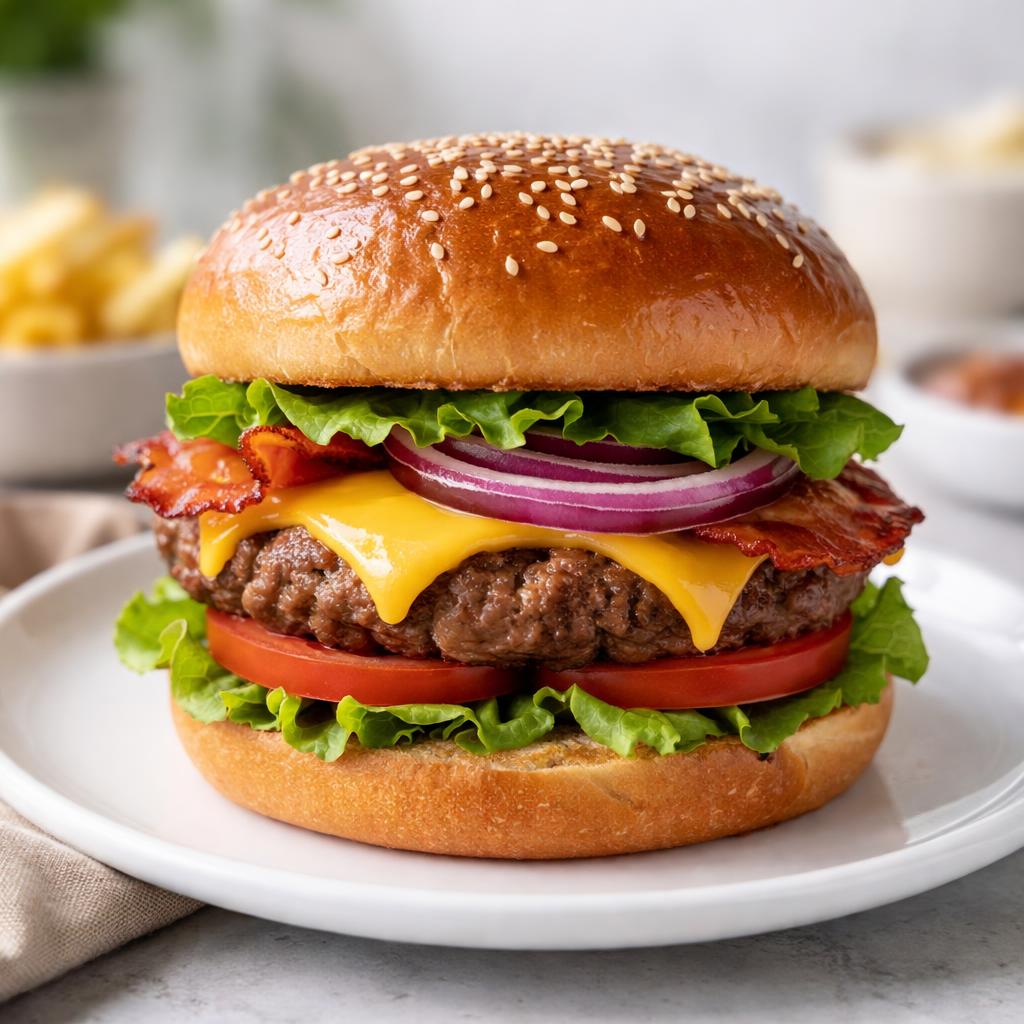
Cheeseburger
🎯 Quick Verdict
Cheese is a concentrated source of protein and fat, with fewer calories compared to a cheeseburger. Cheeseburgers, however, offer a more well-rounded nutritional profile, including carbohydrates, fiber, and additional vitamins and minerals. Cheese is ideal for high-fat, low-carb diets, while cheeseburgers provide a complete meal suited for general health and energy needs.

Smart Nutrition Tracking with SnapCalorie

📊 Nutritional Comparison
Macronutrients
| Nutrient | Food 1 | Food 2 | Winner |
|---|---|---|---|
| Calories | 115 | 280 | − |
| Protein | 7g | 12g | − |
| Carbs | 1g | 27g | − |
| Fat | 9g | 12g | − |
| Fiber | 0g | 2g | − |
Vitamins & Minerals
| Nutrient | Food 1 | Food 2 | Winner |
|---|---|---|---|
| Vitamin D | 0.1mcg | 0.2mcg | − |
| Calcium | 200mg | 150mg | − |
| Iron | 0mg | 2mg | − |
| Vitamin C | 0mg | 1mg | − |
| Vitamin A | 105IU | 200IU | − |
🏆 Category Winners
Protein
Cheeseburger offers nearly 70% more protein per serving compared to cheese.
Fiber
Cheeseburger contributes 2g of fiber, whereas cheese has none.
Calories
Cheese has less than half the calories of a cheeseburger per serving.
Vitamins
Cheeseburgers provide more iron, vitamin C, and vitamin A compared to cheese.
🥗 Diet Compatibility
Keto
Food 1: Unknown
Food 2: Unknown
Cheese is low in carbs (1g), whereas cheeseburgers have 27g carbs.
Vegan
Food 1: Unknown
Food 2: Unknown
Both foods contain animal products.
Gluten Free
Food 1: Unknown
Food 2: Unknown
Cheeseburger buns contain gluten, while cheese does not.
Paleo
Food 1: Unknown
Food 2: Unknown
Neither fits paleo guidelines, which exclude dairy and processed foods.
Low Carb
Food 1: Unknown
Food 2: Unknown
Cheese is extremely low-carb, while cheeseburgers are higher in carbs due to the bun.
💪 Health Benefits Comparison
Food 1 Benefits
Food 2 Benefits
✅ The Bottom Line
Cheese is a better choice for low-carb, high-fat, or keto diets due to its minimal carbs and higher fat content. Cheeseburgers, however, are a more balanced option for meals, providing a combination of protein, carbs, fiber, and additional nutrients. Choose cheese for snacks or dietary-specific meals, and opt for cheeseburgers for convenience and a complete meal.


