Cheese VS Carrot
A detailed nutritional comparison
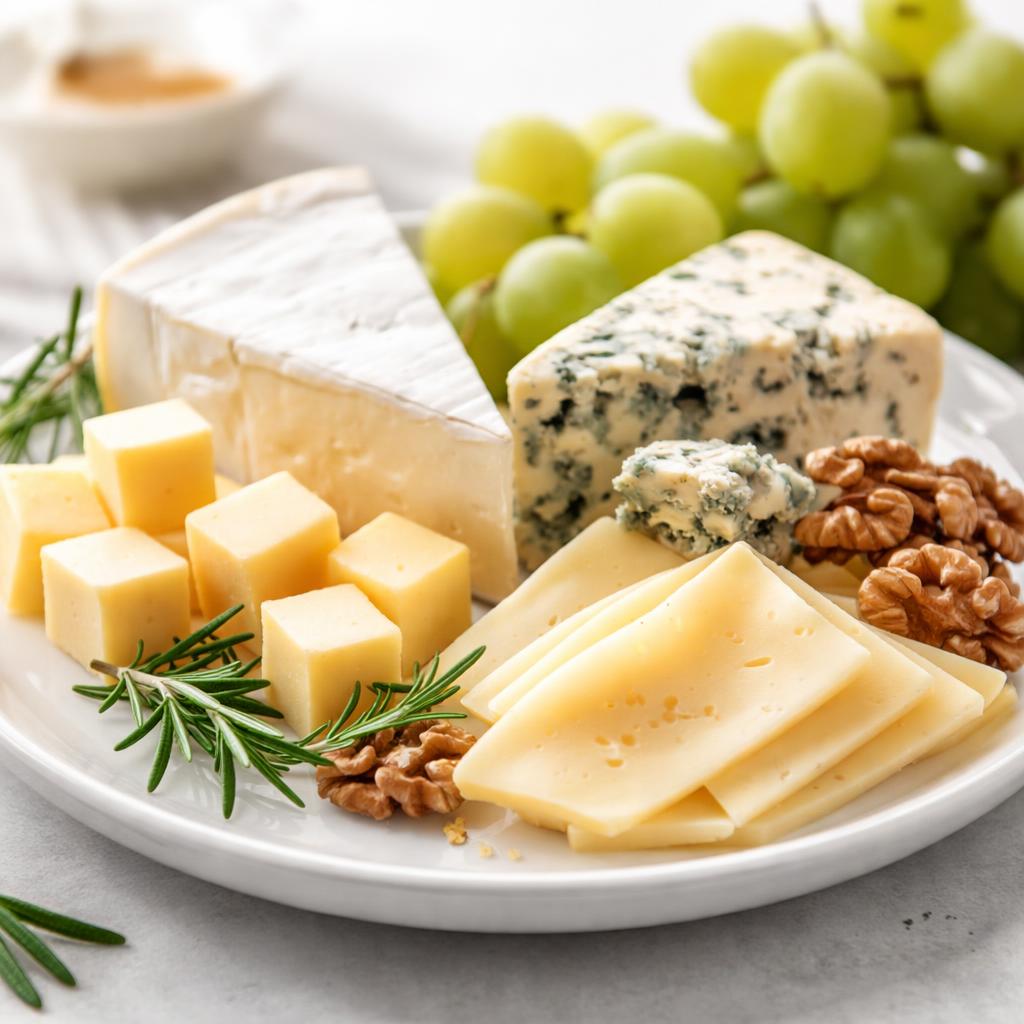
Cheese

Carrot
🎯 Quick Verdict
Cheese is higher in protein, fat, and calcium, making it ideal for muscle building and bone health. Carrots are low in calories, rich in fiber, and loaded with vitamin A, offering excellent digestive and eye health benefits. Both foods serve different roles in a balanced diet based on specific nutrition goals.

Smart Nutrition Tracking with SnapCalorie

📊 Nutritional Comparison
Macronutrients
| Nutrient | Food 1 | Food 2 | Winner |
|---|---|---|---|
| Calories | − | ||
| Protein | − | ||
| Carbs | − | ||
| Fat | − | ||
| Fiber | − |
Vitamins & Minerals
| Nutrient | Food 1 | Food 2 | Winner |
|---|---|---|---|
| Vitamin A | − | ||
| Vitamin D | − | ||
| Calcium | − | ||
| Iron | − |
🏆 Category Winners
Protein
Cheese contains 11x more protein per serving compared to carrot.
Fiber
Carrots naturally offer dietary fiber, while cheese has none.
Calories
Carrots have fewer calories than cheese, making them ideal for low-calorie diets.
Vitamins
Carrots provide significantly more vitamin A (8350 IU vs 75 IU).
🥗 Diet Compatibility
Keto
Food 1: Unknown
Food 2: Unknown
Cheese is low-carb, while carrots are higher in carbs and may need moderation.
Vegan
Food 1: Unknown
Food 2: Unknown
Carrots are plant-based; cheese is dairy.
Gluten Free
Food 1: Unknown
Food 2: Unknown
Neither food contains gluten.
Paleo
Food 1: Unknown
Food 2: Unknown
Carrots fit the paleo diet, while cheese, being a processed dairy product, does not.
Low Carb
Food 1: Unknown
Food 2: Unknown
Cheese has minimal carbs, while carrots contribute 6g per serving.
💪 Health Benefits Comparison
Food 1 Benefits
Food 2 Benefits
✅ The Bottom Line
Choose cheese for protein-packed snacks, muscle growth, and bone health. Opt for carrots when seeking a low-calorie, fiber-filled food rich in antioxidants and vitamin A. Both items offer unique benefits depending on your dietary goals.


