Cheese VS Butter
A detailed nutritional comparison
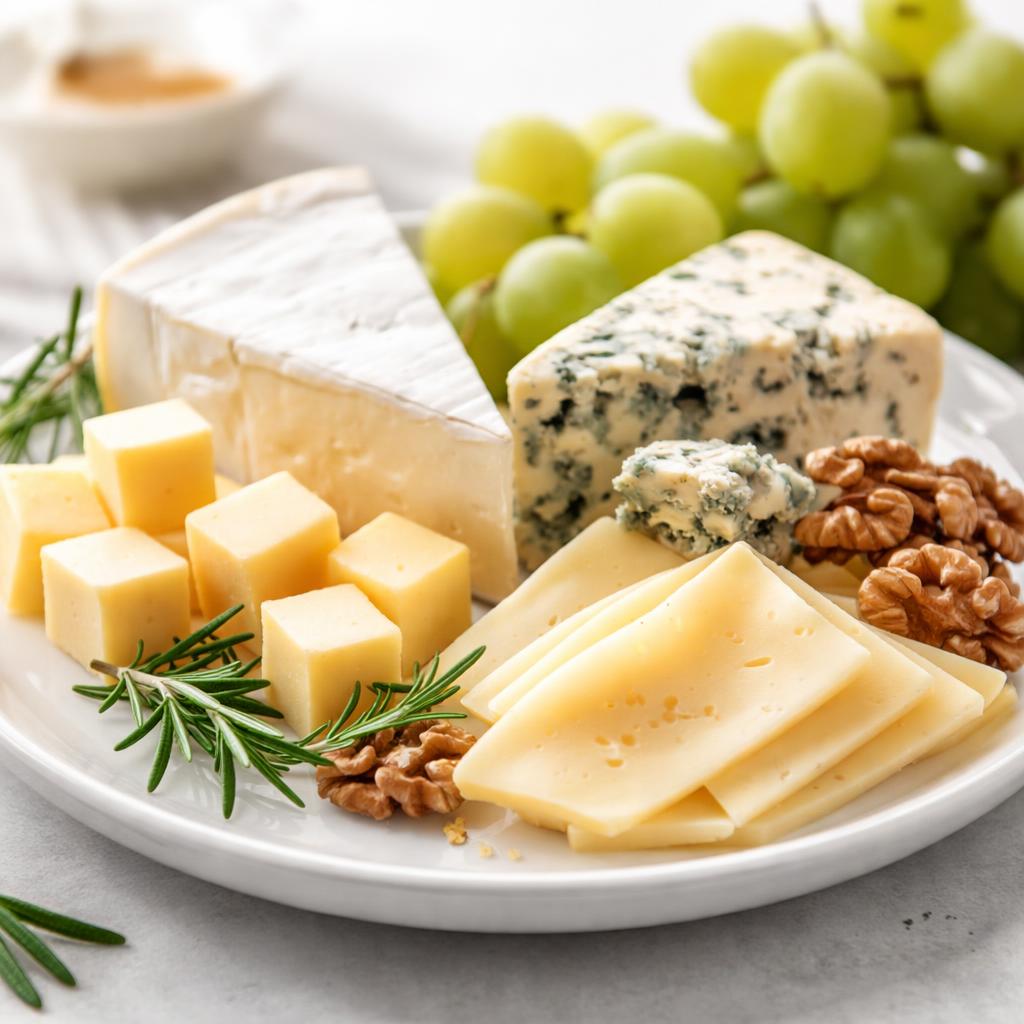
Cheese
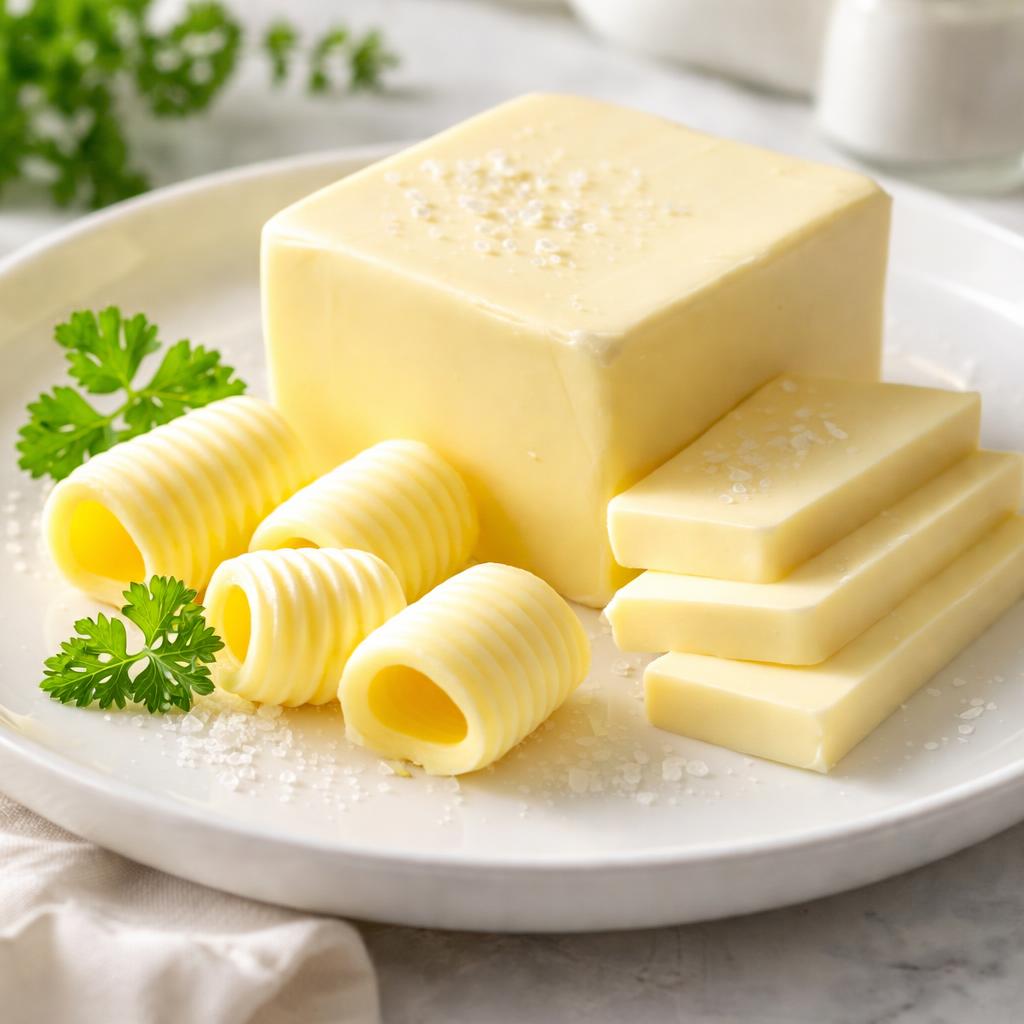
Butter
🎯 Quick Verdict
Cheese is a more nutrient-dense option, offering higher protein, calcium, and a moderate amount of calories compared to butter. Butter, on the other hand, is higher in fats and lower in protein and other vitamins but contains fewer carbs, making it ideal for keto diets or recipes requiring pure fat sources.

Smart Nutrition Tracking with SnapCalorie

📊 Nutritional Comparison
Macronutrients
| Nutrient | Food 1 | Food 2 | Winner |
|---|---|---|---|
| Calories | 320 | 717 | ✓ |
| Protein | 25g | 0g | ✓ |
| Carbs | 1g | 0g | ✓ |
| Fat | 27g | 81g | ✓ |
| Fiber | 0g | 0g | − |
Vitamins & Minerals
| Nutrient | Food 1 | Food 2 | Winner |
|---|---|---|---|
| Vitamin A | 300IU | 1500IU | ✓ |
| Vitamin D | 0.3mcg | 0.9mcg | ✓ |
| Calcium | 721mg | 24mg | ✓ |
| Iron | 0.2mg | 0.1mg | ✓ |
🏆 Category Winners
Protein
Cheese contains 25g of protein per serving, while butter has negligible protein.
Fiber
Neither cheese nor butter contains fiber.
Calories
Cheese has less than half the calories of butter per serving.
Vitamins
Butter is richer in Vitamin A and Vitamin D, making it better for these nutrients.
🥗 Diet Compatibility
Keto
Food 1: Compatible
Food 2: Compatible
Both foods are high-fat and low-carb, making them excellent for keto diets.
Vegan
Food 1: Not Compatible
Food 2: Not Compatible
Both are animal products.
Gluten Free
Food 1: Compatible
Food 2: Compatible
Neither contains gluten.
Paleo
Food 1: Partially Compatible
Food 2: Compatible
Butter is typically fully paleo, while cheese may be restricted depending on specific guidelines.
Low-Carb
Food 1: Compatible
Food 2: Compatible
Both foods have very low carbohydrate content (<1g per serving).
💪 Health Benefits Comparison
Food 1 Benefits
- High protein content, beneficial for muscle repair and maintenance
- Rich calcium levels for strong bones and teeth
- Contains phosphorus, which supports energy metabolism
Food 2 Benefits
- Rich in Vitamin A, supporting vision and immune health
- Contains healthy fats essential for energy and cell function
- Provides Vitamin D for bone health
✅ The Bottom Line
Cheese is the better choice for its nutrient density, high protein, and calcium, making it ideal for muscle-building and bone health. Butter is preferable for its higher fat content and suitability in low-carb and keto diets or as a cooking ingredient where pure fat sources are needed.
Choose Food 1 for: Muscle-building, bone health, nutrient-dense snacks
Choose Food 2 for: Low-carb/keto diets, cooking, recipes requiring rich fat content


