Cauliflower Rice VS Pasta Sauce
A detailed nutritional comparison
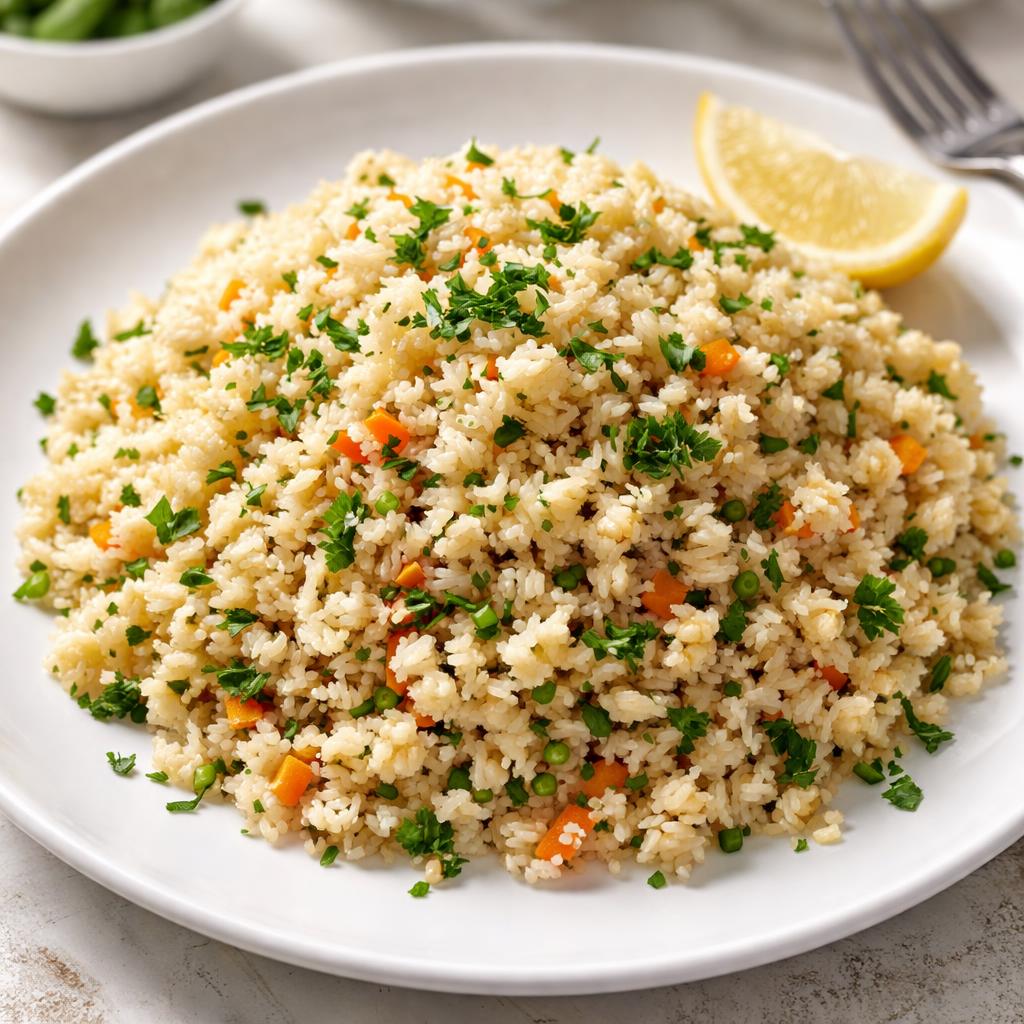
Cauliflower Rice
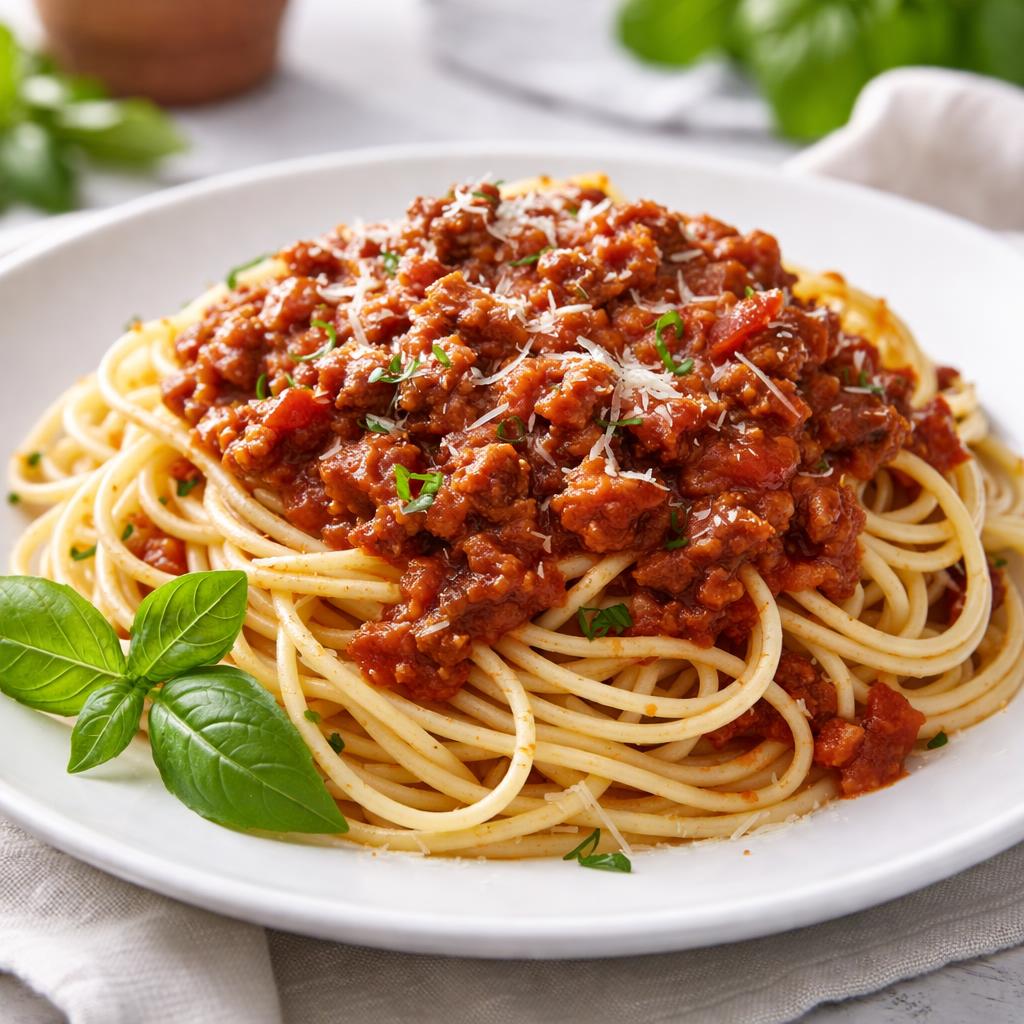
Pasta Sauce
🎯 Quick Verdict
Cauliflower rice is low-calorie, low-carb, and rich in fiber, making it ideal for weight loss and ketogenic diets. Pasta sauce, while slightly higher in calories and carbs, provides antioxidants from tomatoes and a boost of vitamins. Choose cauliflower rice for volume and low-calorie meals, and pasta sauce for flavor and nutrient density in moderation.

Smart Nutrition Tracking with SnapCalorie

📊 Nutritional Comparison
Macronutrients
| Nutrient | Food 1 | Food 2 | Winner |
|---|---|---|---|
| Calories | 25 (per 1 cup) | 70 (per 1/2 cup) | ✓ |
| Protein | 2g | 2g | − |
| Carbs | 5g | 8g | ✓ |
| Fat | 0g | 3g | ✓ |
| Fiber | 2g | 1g | ✓ |
Vitamins & Minerals
| Nutrient | Food 1 | Food 2 | Winner |
|---|---|---|---|
| Vitamin C | 73.5mg (82% DV) | 11mg (12% DV) | ✓ |
| Vitamin A | 0mcg | 600mcg (67% DV) | ✓ |
| Potassium | 320mg (7% DV) | 400mg (9% DV) | ✓ |
🏆 Category Winners
Protein
Both foods provide 2g of protein per serving.
Fiber
Cauliflower rice has 2g of fiber, double that of pasta sauce.
Calories
Cauliflower rice is extremely low in calories (25 per cup) compared to pasta sauce (70 per half cup).
Vitamins
Food1 excels in Vitamin C, while Food2 is richer in Vitamin A and potassium.
🥗 Diet Compatibility
Keto
Food 1: Compatible
Food 2: Partially Compatible
Food1 is very low in carbs, while Food2 contains more carbs (8g per 1/2 cup).
Vegan
Food 1: Compatible
Food 2: Compatible
Both foods are plant-based and vegan-friendly.
Gluten Free
Food 1: Compatible
Food 2: Compatible
Neither contains gluten.
Paleo
Food 1: Compatible
Food 2: Compatible
Both foods fit paleo guidelines.
Low Carb
Food 1: Compatible
Food 2: Partially Compatible
Food1 is ideal for low-carb diets, while Food2 has 8g carbs per serving, which may require moderation.
💪 Health Benefits Comparison
Food 1 Benefits
- Extremely low in calories for weight management
- Rich in Vitamin C for immune health
- Contains fiber for digestive support
- Low-carb option suitable for keto and low-calorie diets
Food 2 Benefits
- Provides antioxidants like lycopene for heart health
- Rich in Vitamin A for eye health
- Contains potassium for electrolyte balance
- Offers flavor and nutrient density for balanced meals
✅ The Bottom Line
Cauliflower rice is a better option for those focusing on weight loss, low-carb, or high-volume meals with minimal calories. Pasta sauce is a flavorful addition to meals, offering some antioxidants and vitamins but should be consumed in moderation due to higher calorie and carb content.
Choose Food 1 for: Weight loss, low-carb diets, keto-friendly meals
Choose Food 2 for: Enhancing meal flavor, nutrient-dense sauces, moderate-carb diets


