Buckwheat VS Whole Wheat Bread
A detailed nutritional comparison
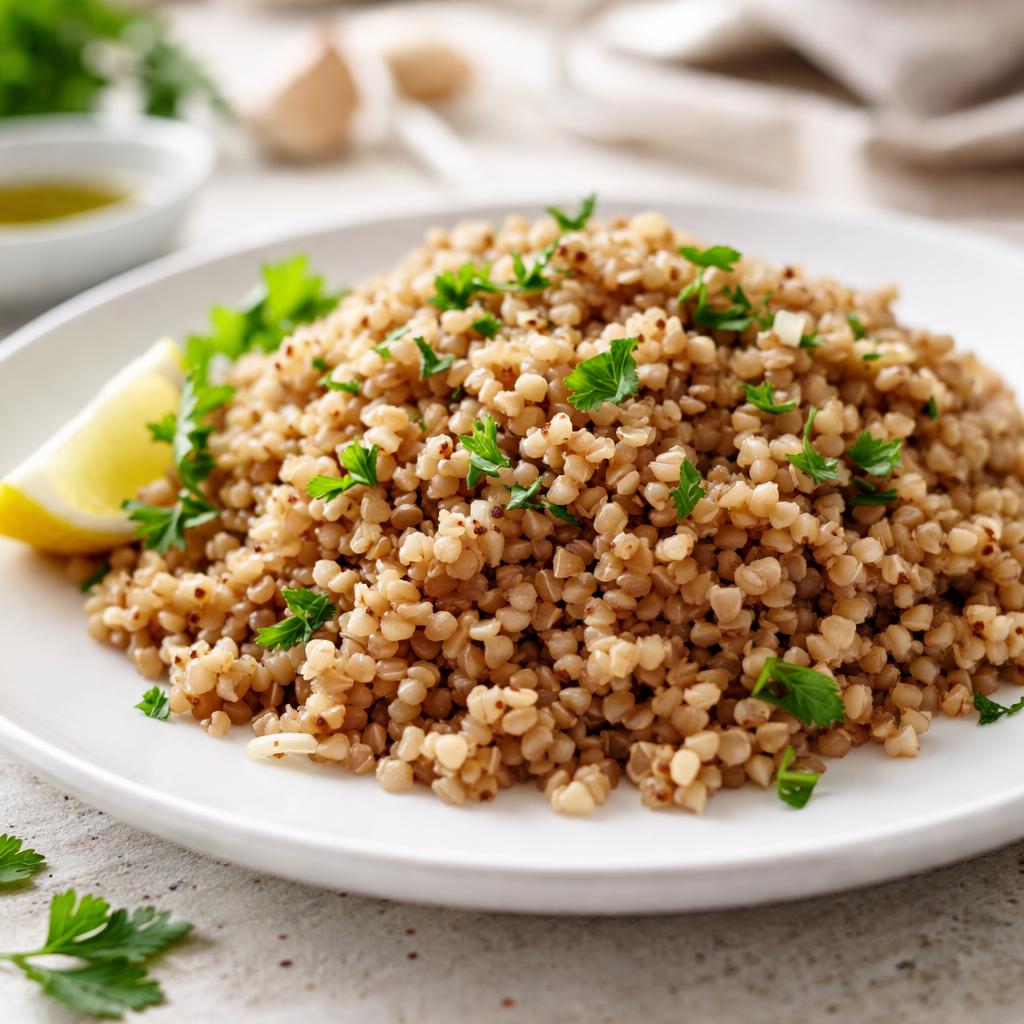
Buckwheat
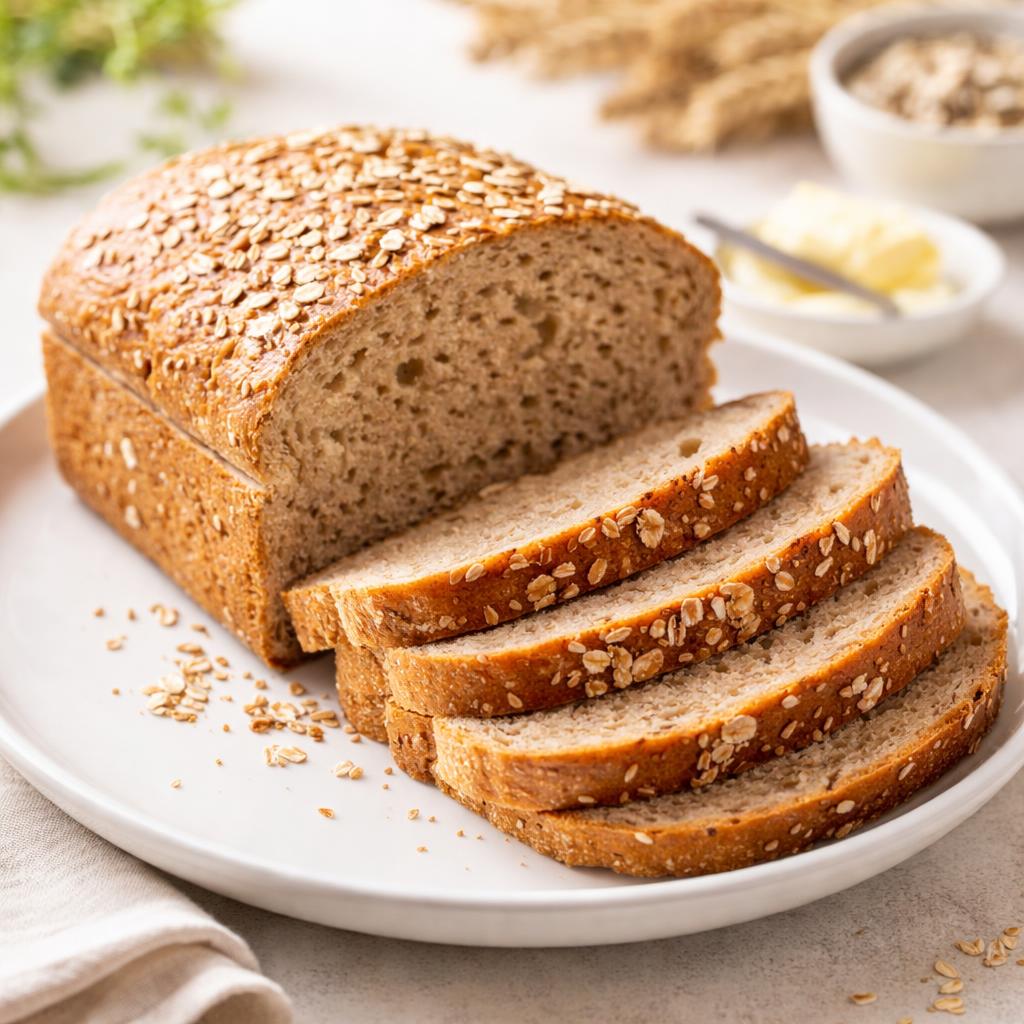
Whole Wheat Bread
🎯 Quick Verdict
Buckwheat and whole wheat bread offer distinct nutritional profiles. Buckwheat is lower in calories and has more fiber, making it ideal for digestion and weight management. Whole wheat bread provides slightly more protein per serving, making it a better option for muscle maintenance. Both are nutrient-rich and suitable for diverse diets like vegan and gluten-free lifestyles, with buckwheat being particularly versatile as a grain alternative for gluten-free eaters.

Smart Nutrition Tracking with SnapCalorie

📊 Nutritional Comparison
Macronutrients
| Nutrient | Food 1 | Food 2 | Winner |
|---|---|---|---|
| Calories | 155 per 1 cup cooked | 190 per 1 slice | − |
| Protein | 5.7g | 7g | − |
| Carbs | 33.1g | 35g | − |
| Fat | 0.6g | 3.5g | − |
| Fiber | 4.5g | 3.8g | − |
Vitamins & Minerals
| Nutrient | Food 1 | Food 2 | Winner |
|---|---|---|---|
| Vitamin B6 | 0.2mg | 0.5mg | − |
| Magnesium | 85mg | 25mg | − |
| Iron | 2mg | 1mg | − |
| Calcium | 7mg | 51mg | − |
🏆 Category Winners
Protein
Whole wheat bread has 20% more protein per serving compared to buckwheat.
Fiber
Buckwheat contains 18% more fiber, supporting digestion and satiety.
Calories
Buckwheat has fewer calories per serving than whole wheat bread.
Vitamins
Both foods offer complementary vitamin profiles—buckwheat is richer in magnesium and iron, while whole wheat bread provides more vitamin B6 and calcium.
🥗 Diet Compatibility
Keto
Food 1: Not Compatible
Food 2: Not Compatible
Both foods are high in carbohydrates and not suitable for ketogenic diets.
Vegan
Food 1: Compatible
Food 2: Compatible
Both foods are plant-based and suitable for vegan diets.
Gluten Free
Food 1: Compatible
Food 2: Not Compatible
Buckwheat is naturally gluten-free, while whole wheat bread contains gluten.
Paleo
Food 1: Compatible
Food 2: Not Compatible
Buckwheat aligns with paleo principles, while processed whole wheat bread does not.
Low Carb
Food 1: Not Compatible
Food 2: Not Compatible
Both foods are carbohydrate-rich and unsuitable for low-carb diets.
💪 Health Benefits Comparison
Food 1 Benefits
- High in fiber for improved digestion and managing blood sugar levels
- Rich source of magnesium, supporting heart health and muscle function
- Gluten-free alternative suitable for individuals with celiac disease or gluten intolerance
- Provides essential antioxidants like rutin that support vascular health
Food 2 Benefits
- Good source of protein for muscle growth and repair
- Rich in B vitamins like B6, supporting energy metabolism
- High in calcium for stronger bones and teeth
- Contains whole grains, which help maintain heart health and provide sustained energy
✅ The Bottom Line
Both buckwheat and whole wheat bread are nutrient-rich foods with distinct strengths. Buckwheat is lower in calories and ideal for gluten-free diets, fiber intake, and nutrient density. Whole wheat bread has more protein and calcium, making it better for muscle maintenance and bone health. Choose buckwheat for digestion and gluten-free compatibility, while whole wheat bread works well for a protein boost and convenience.
Choose Food 1 for: Gluten-free diets, digestion support, nutrient density
Choose Food 2 for: Muscle growth, quick meals, bone health


