Buckwheat VS Sushi Rice
A detailed nutritional comparison
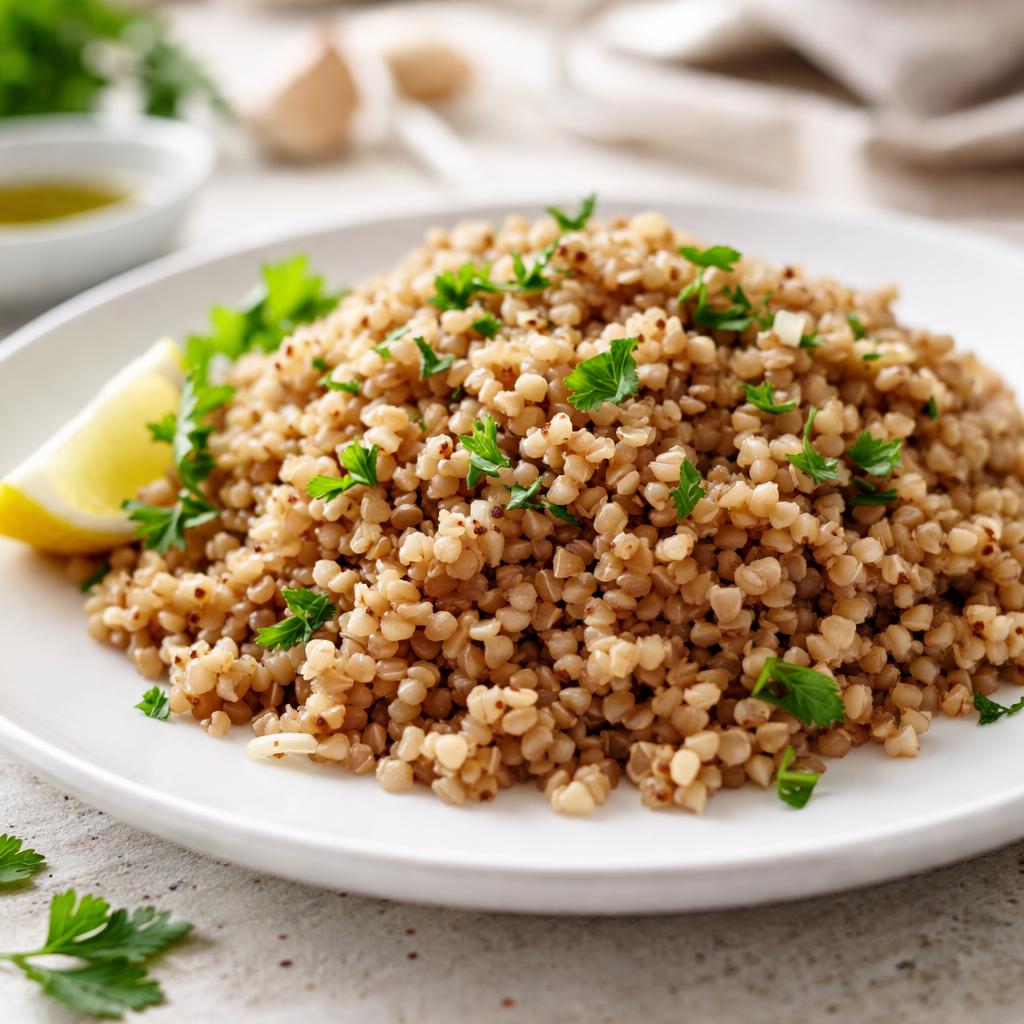
Buckwheat
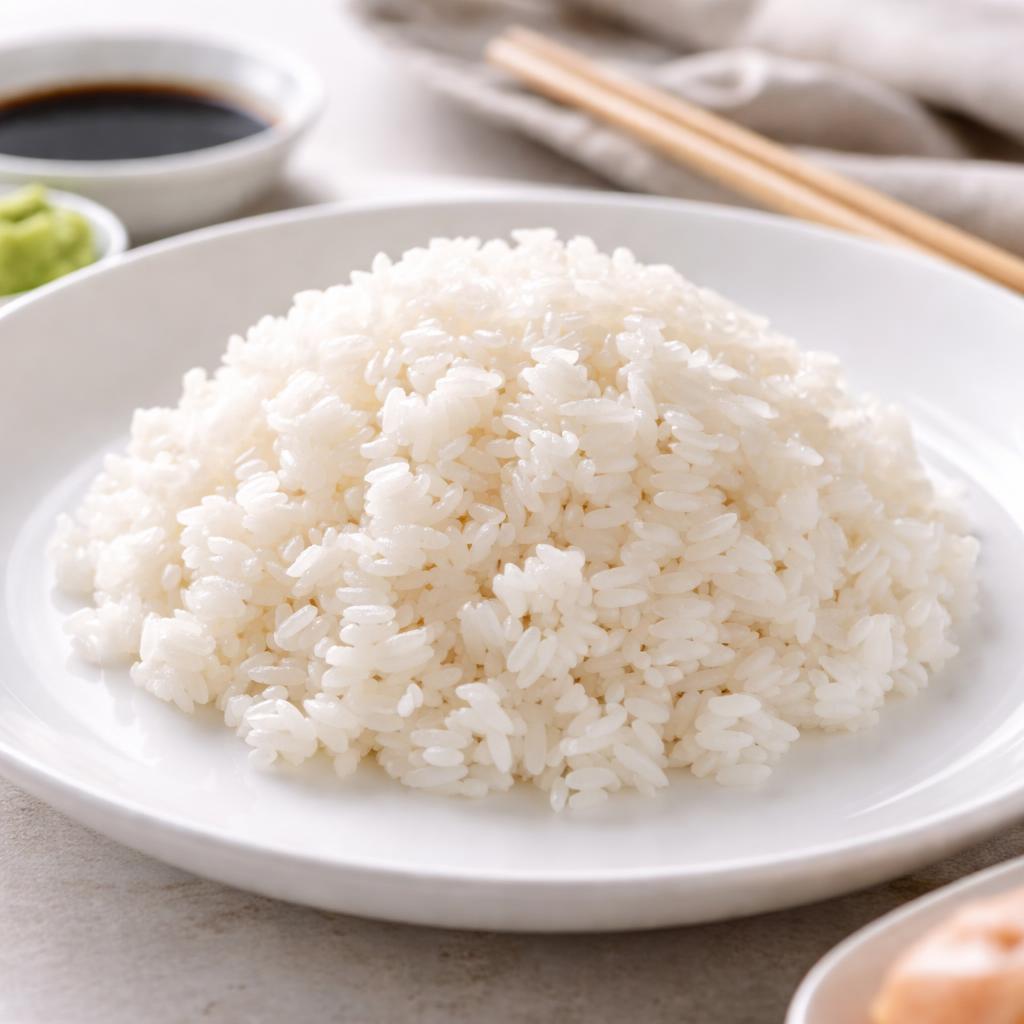
Sushi Rice
🎯 Quick Verdict
Buckwheat is nutritionally denser, offering significantly more protein, fiber, and vitamins compared to sushi rice. Sushi rice is lower in protein and micronutrients but may be a better option for quick energy due to its higher carbohydrate content. Choose buckwheat for its versatility and nutrient-rich profile or sushi rice for use in energy-dense meals like sushi or stir-fries.

Smart Nutrition Tracking with SnapCalorie

📊 Nutritional Comparison
Macronutrients
| Nutrient | Food 1 | Food 2 | Winner |
|---|---|---|---|
| Calories | 155 kcal | 130 kcal | ✓ |
| Protein | 5.7g | 2.5g | ✓ |
| Carbs | 33g | 28g | ✓ |
| Fat | 1.0g | 0.2g | ✓ |
| Fiber | 4.5g | 0.3g | ✓ |
Vitamins & Minerals
| Nutrient | Food 1 | Food 2 | Winner |
|---|---|---|---|
| Magnesium | 86mg | 9mg | ✓ |
| Iron | 2mg | 0.2mg | ✓ |
| Vitamin B6 | 0.1mg | trace | ✓ |
| Niacin (B3) | 4mg | 0.4mg | ✓ |
🏆 Category Winners
Protein
Buckwheat offers over double the protein per serving compared to sushi rice.
Fiber
Buckwheat has significantly more fiber, aiding in digestion.
Calories
Sushi rice is slightly lower in calories per serving.
Vitamins
Buckwheat is far richer in magnesium, iron, and B vitamins, contributing to overall better micronutrient density.
🥗 Diet Compatibility
Keto
Food 1: Not Compatible
Food 2: Not Compatible
Both foods are high in carbohydrates.
Vegan
Food 1: Compatible
Food 2: Compatible
Both are plant-based and suitable for vegan diets.
Gluten Free
Food 1: Compatible
Food 2: Compatible
Neither contains gluten.
Paleo
Food 1: Compatible
Food 2: Not Compatible
Buckwheat is paleo-friendly while sushi rice is excluded from strict paleo diets.
Low Carb
Food 1: Not Compatible
Food 2: Not Compatible
Both are high-carb foods and unsuitable for low-carb diets.
💪 Health Benefits Comparison
Food 1 Benefits
- Rich in fiber, promoting healthy digestion and gut health.
- Contains plant-based protein, supporting muscle maintenance.
- Good source of magnesium, aiding in heart and bone health.
- Provides iron, improving oxygen transport and energy levels.
Food 2 Benefits
- Low in fat, suitable for heart-healthy diets.
- Quick energy source due to high carbohydrate content.
- Easy to digest, making it ideal for sensitive stomachs.
- Complements various nutrient-dense ingredients in dishes like sushi.
✅ The Bottom Line
Buckwheat is far more nutrient-dense, offering a better balance of protein, fiber, and vitamins, making it ideal for nutrient-packed meals or weight-conscious diets. Sushi rice is better suited for energy-focused meals and recipes requiring soft, sticky grains. Prioritize buckwheat for its health benefits and sushi rice for specific culinary applications requiring sticky texture or energy boosts.
Choose Food 1 for: Weight loss, nutrient-rich meals, digestive health
Choose Food 2 for: Quick energy, sushi preparation, light meals


