Buckwheat VS Cooked Buckwheat
A detailed nutritional comparison
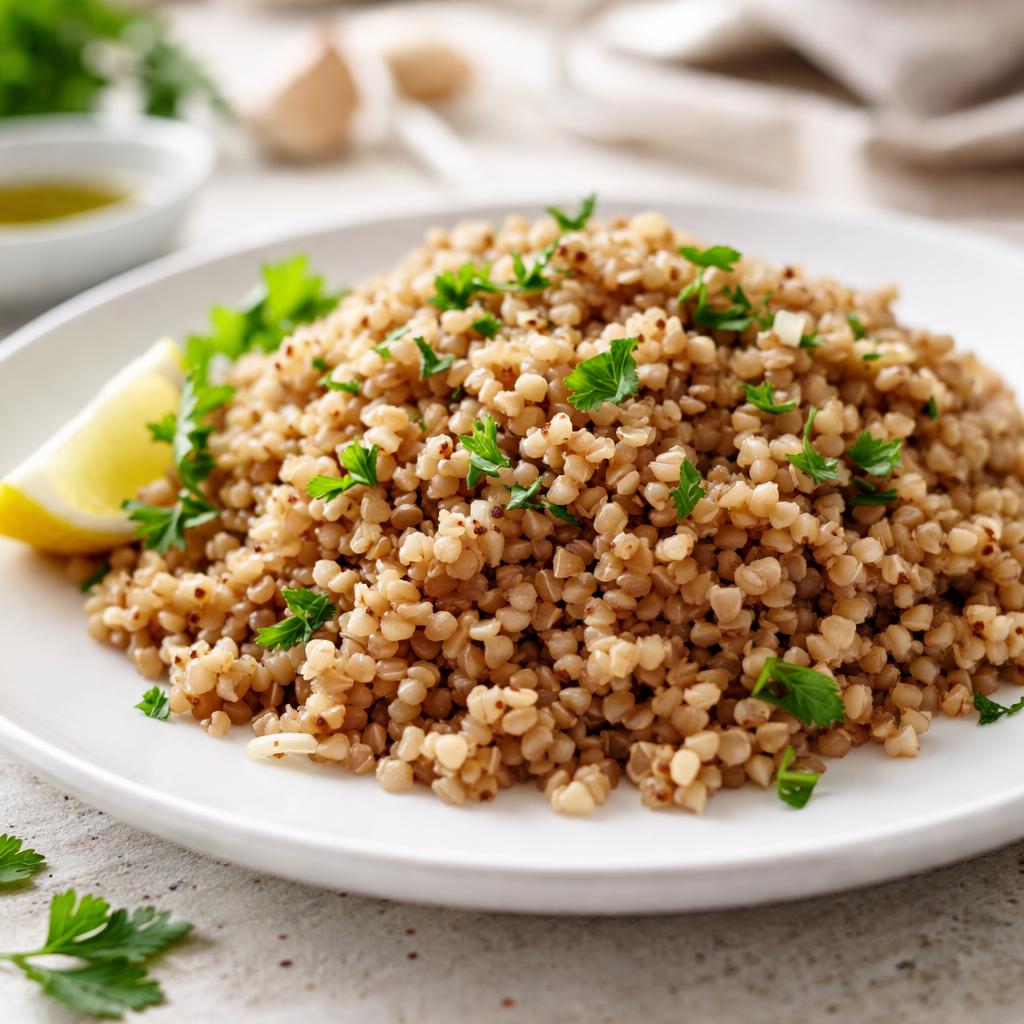
Buckwheat
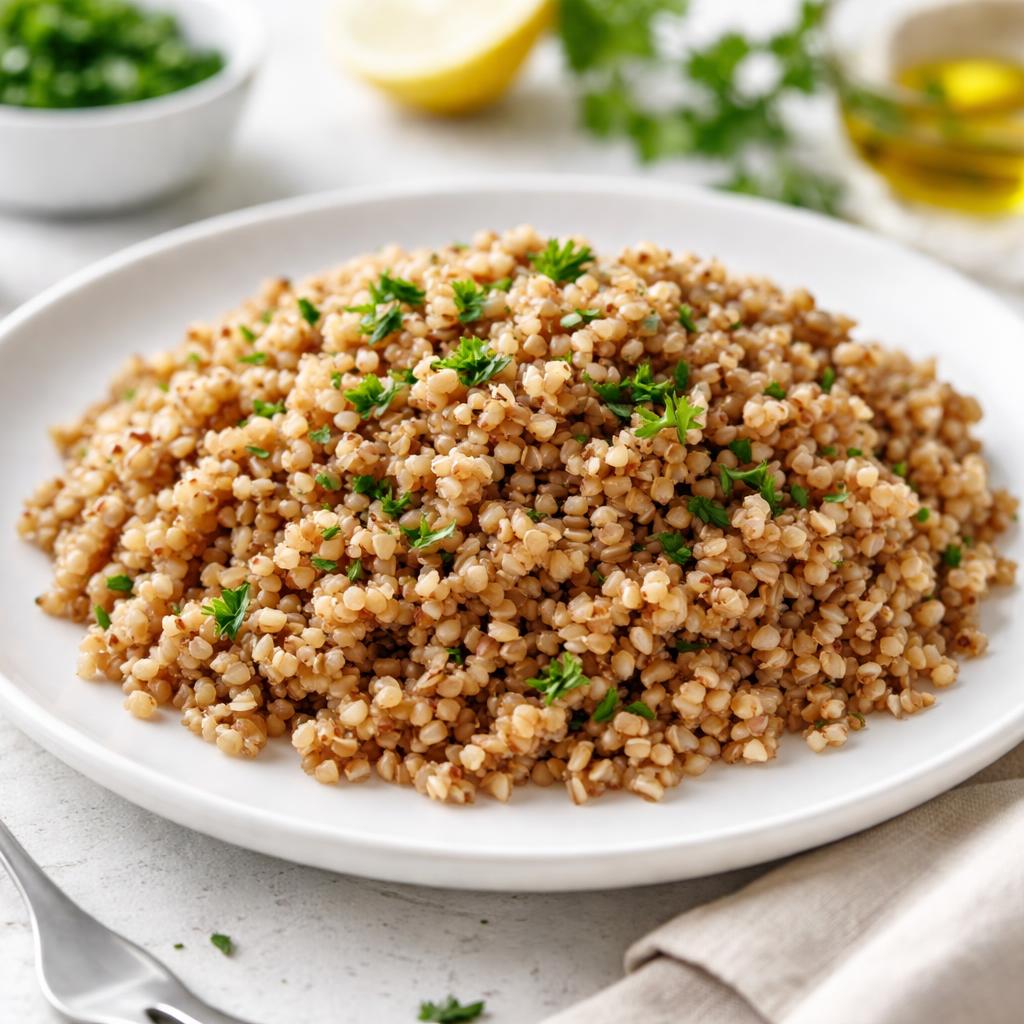
Cooked Buckwheat
🎯 Quick Verdict
Buckwheat (raw) contains higher protein and fiber per gram compared to cooked buckwheat, which loses some nutrients during cooking but is lower in calories per serving. Raw buckwheat is best for nutrient density, while cooked buckwheat is suitable for ready-to-eat meals with fewer calories per serving.

Smart Nutrition Tracking with SnapCalorie

📊 Nutritional Comparison
Macronutrients
| Nutrient | Food 1 | Food 2 | Winner |
|---|---|---|---|
| Calories | 343 | 154 | ✓ |
| Protein | 13.3g | 5.7g | ✓ |
| Carbs | 71.5g | 33.1g | ✓ |
| Fat | 3.4g | 0.6g | ✓ |
| Fiber | 10g | 4.5g | ✓ |
Vitamins & Minerals
| Nutrient | Food 1 | Food 2 | Winner |
|---|---|---|---|
| Vitamin B6 | 0.4mg | 0.12mg | ✓ |
| Magnesium | 231mg | 86mg | ✓ |
| Iron | 2.2mg | 1.3mg | ✓ |
🏆 Category Winners
Protein
Buckwheat (raw) contains over double the protein compared to cooked buckwheat.
Fiber
Buckwheat (raw) provides significantly more fiber per serving.
Calories
Cooked buckwheat has 55% fewer calories per serving.
Vitamins
Raw buckwheat is more nutrient-dense across micronutrients like magnesium and iron.
🥗 Diet Compatibility
Keto
Food 1: Not Compatible
Food 2: Not Compatible
Both options are high in carbohydrates and not suitable for keto diets.
Vegan
Food 1: Compatible
Food 2: Compatible
Both foods are plant-based and vegan-friendly.
Gluten Free
Food 1: Compatible
Food 2: Compatible
Neither contains gluten.
Paleo
Food 1: Compatible
Food 2: Compatible
Buckwheat aligns with paleo diets as it is pseudocereal and gluten-free.
Low-Carb
Food 1: Not Compatible
Food 2: Not Compatible
Neither option qualifies as low-carb due to high carbohydrate content.
💪 Health Benefits Comparison
Food 1 Benefits
- Rich in protein for muscle repair and growth
- High in fiber to support digestive health
- Excellent source of magnesium for heart and bone health
- Provides sustained energy due to complex carbohydrates
Food 2 Benefits
- Lower calorie content for weight management
- Easier to digest compared to raw buckwheat
- Provides antioxidants for cell repair
- Contains small amounts of iron to support oxygen transport
✅ The Bottom Line
Raw buckwheat is a nutrient powerhouse, ideal for those seeking high protein, fiber, and micronutrients. Cooked buckwheat, while less nutrient-dense, is lower in calories and ready for consumption, making it convenient for meals or weight-controlled diets.
Choose Food 1 for: High energy meals, muscle recovery, nutrient-dense diets
Choose Food 2 for: Quick meals, calorie-conscious diets, easier digestion


