Brown Rice VS Vegetable Rice
A detailed nutritional comparison
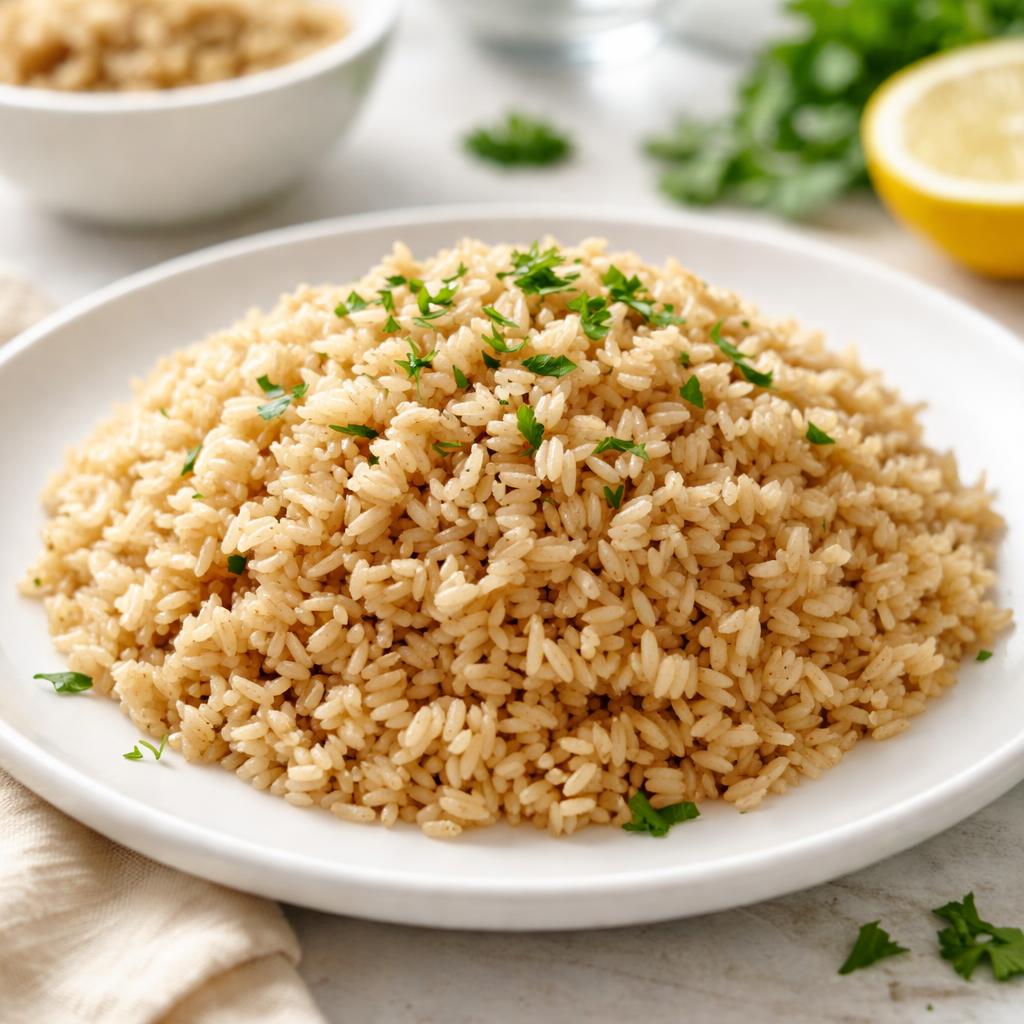
Brown Rice
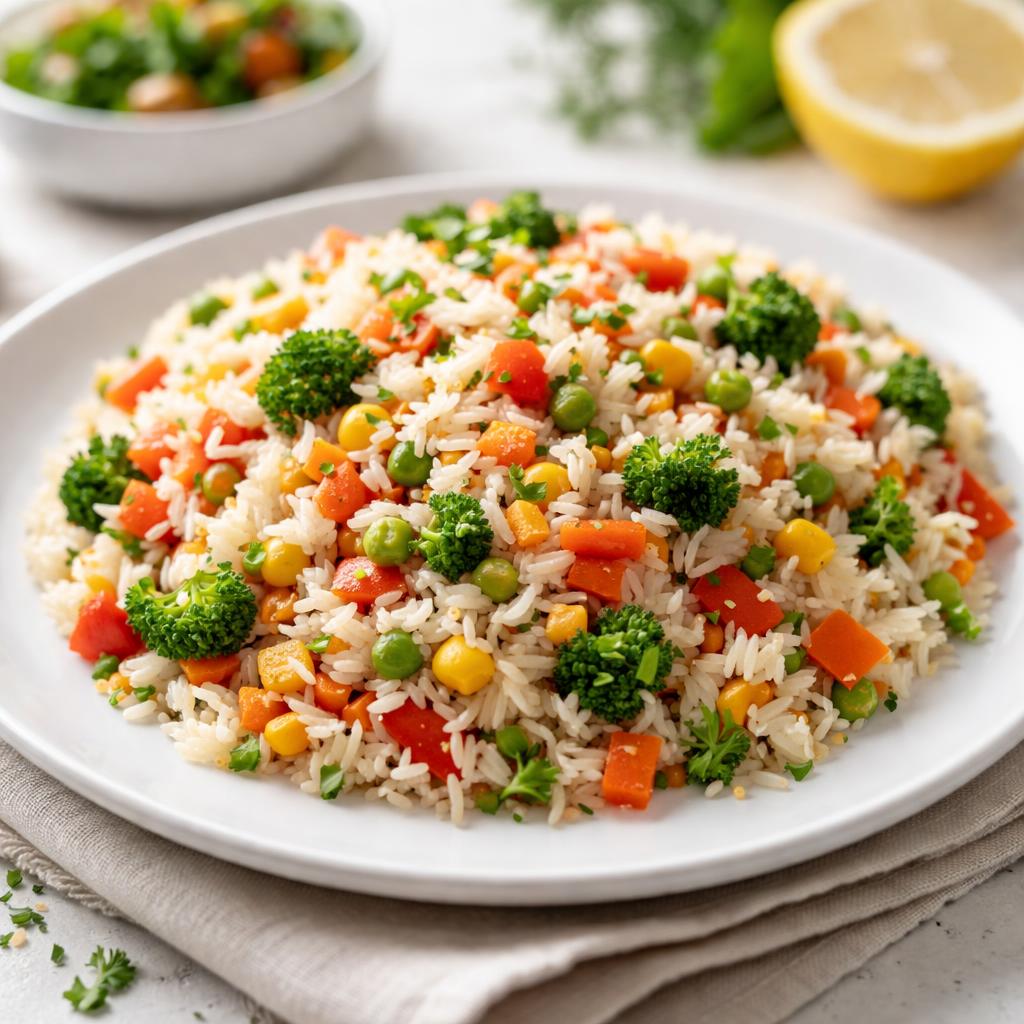
Vegetable Rice
🎯 Quick Verdict
Brown rice is a whole grain with more protein and iron, making it great for muscle maintenance and energy. Vegetable rice contains fewer calories and higher fiber due to added vegetables, making it ideal for weight management and enhanced digestion. Both are healthy options but suit different dietary goals.

Smart Nutrition Tracking with SnapCalorie

📊 Nutritional Comparison
Macronutrients
| Nutrient | Food 1 | Food 2 | Winner |
|---|---|---|---|
| Calories | 216 | 150 | ✓ |
| Protein | 5g | 3g | ✓ |
| Carbs | 45g | 30g | ✓ |
| Fat | 1.8g | 1g | ✓ |
| Fiber | 1.8g | 5g | ✓ |
Vitamins & Minerals
| Nutrient | Food 1 | Food 2 | Winner |
|---|---|---|---|
| Vitamin C | 0mg | 10mg | ✓ |
| Vitamin A | 0mcg | 50mcg | ✓ |
| Iron | 0.8mg | 0.5mg | ✓ |
🏆 Category Winners
Protein
Brown rice has 67% more protein per serving.
Fiber
Vegetable rice contains nearly 3 times the fiber, enhancing digestion.
Calories
Vegetable rice has 30% fewer calories, beneficial for calorie-conscious diets.
Vitamins
Vegetable rice offers significantly higher Vitamin C and Vitamin A content due to added vegetables.
🥗 Diet Compatibility
Keto
Food 1: Not Compatible
Food 2: Not Compatible
Both are high-carb and not suitable for keto.
Vegan
Food 1: Compatible
Food 2: Compatible
Both are plant-based foods.
Gluten Free
Food 1: Compatible
Food 2: Compatible
Neither contains gluten.
Paleo
Food 1: Compatible
Food 2: Depends on preparation
Brown rice is suitable; vegetable rice may rely on specific preparation.
Low-Carb
Food 1: Not Compatible
Food 2: Partially Compatible
Vegetable rice is lower in carbs and may fit some low-carb plans.
💪 Health Benefits Comparison
Food 1 Benefits
- Rich in complex carbohydrates for sustained energy
- Moderate protein content for muscle repair
- Source of iron for oxygen transport in the body
Food 2 Benefits
- High fiber content aids digestion and gut health
- Low in calories, supports weight management
- Vitamin-rich from vegetables, boosting immunity and eyesight
✅ The Bottom Line
Brown rice is ideal for those aiming to increase protein and iron, such as athletes or individuals focusing on energy levels. Vegetable rice is better for weight management, improved digestion, and boosting vitamin intake thanks to added vegetables.
Choose Food 1 for: Muscle maintenance, energy boost, whole grains focus
Choose Food 2 for: Weight loss, digestion support, vitamin enrichment


