Brown Rice VS Mexican Rice
A detailed nutritional comparison
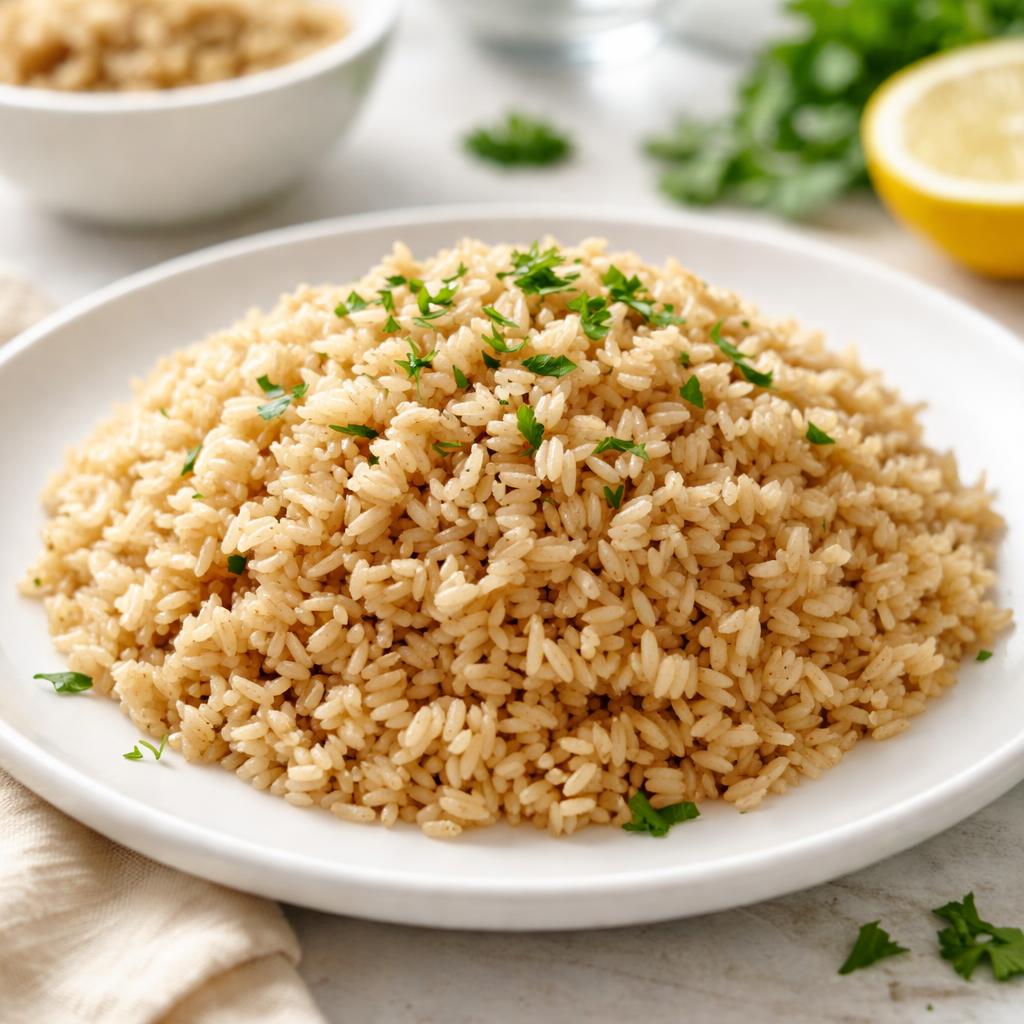
Brown Rice
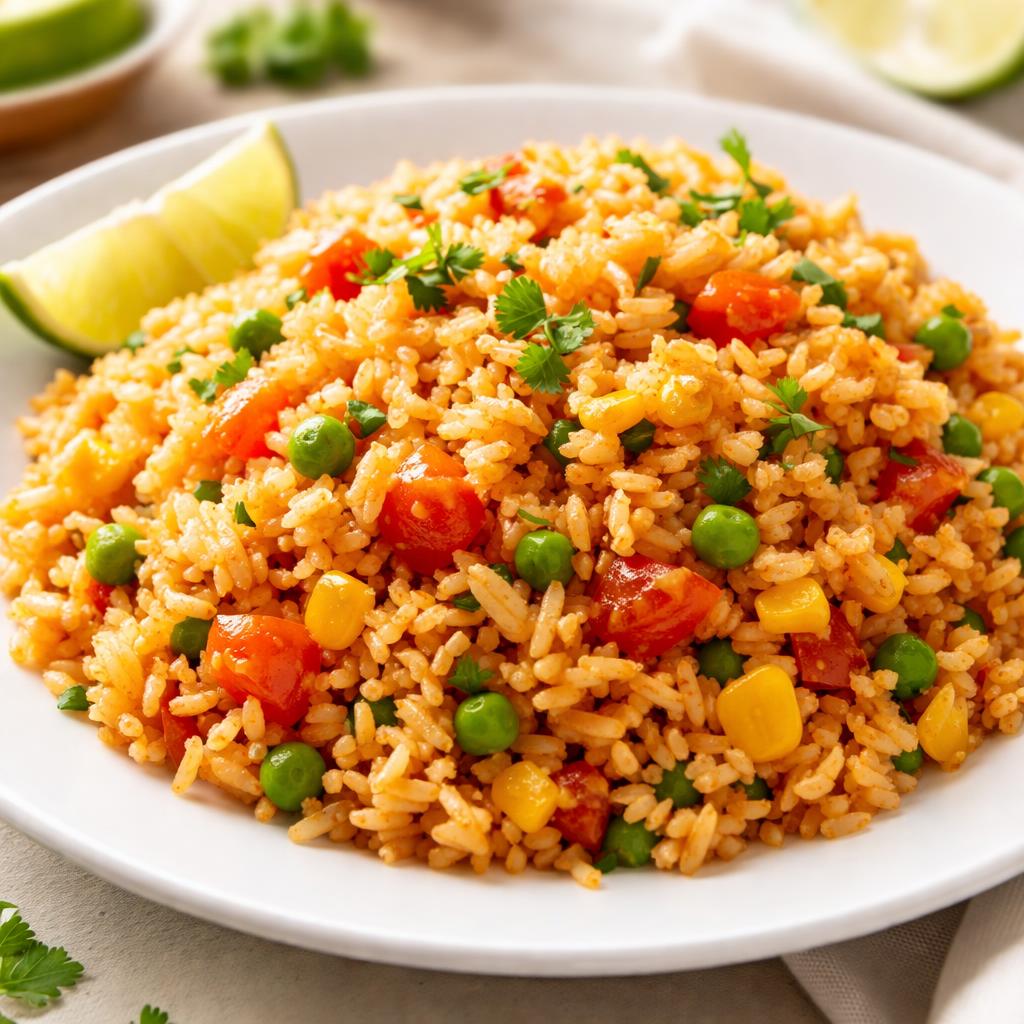
Mexican Rice
🎯 Quick Verdict
Brown rice is a minimally processed whole grain that provides more fiber, protein, and micronutrients than Mexican rice. Mexican rice is typically flavored with tomatoes, spices, and oil, giving it higher calories and fat. Brown rice is ideal for healthy eating and weight management, while Mexican rice is better suited for flavorful meals and energy sustenance.

Smart Nutrition Tracking with SnapCalorie

📊 Nutritional Comparison
Macronutrients
| Nutrient | Food 1 | Food 2 | Winner |
|---|---|---|---|
| Calories | 215 (per 1 cup cooked) | 234 (per 1 cup cooked) | ✓ |
| Protein | 5g | 4g | ✓ |
| Carbs | 45g | 44g | ✓ |
| Fat | 1g | 9g | ✓ |
| Fiber | 3.5g | 1g | ✓ |
Vitamins & Minerals
| Nutrient | Food 1 | Food 2 | Winner |
|---|---|---|---|
| Vitamin C | 0mg | 2mg | ✓ |
| Iron | 1mg | 0.5mg | ✓ |
| Magnesium | 84mg | 24mg | ✓ |
| Potassium | 83mg | 68mg | ✓ |
🏆 Category Winners
Protein
Brown rice offers 25% more protein per serving compared to Mexican rice.
Fiber
Brown rice contains more than triple the fiber, aiding digestion.
Calories
Brown rice has fewer calories and less fat, making it lighter.
Vitamins
Food1 excels in minerals like magnesium, while Food2 has more vitamin C.
🥗 Diet Compatibility
Keto
Food 1: Not Compatible
Food 2: Not Compatible
Both are high in carbohydrates and not suitable for keto diets.
Vegan
Food 1: Compatible
Food 2: Compatible
Both foods are plant-based and fit vegan diets.
Gluten Free
Food 1: Compatible
Food 2: Compatible
Neither food contains gluten.
Paleo
Food 1: Compatible
Food 2: Not Compatible
Brown rice fits the paleo diet due to being minimally processed, while Mexican rice often includes processed ingredients.
Low-Carb
Food 1: Not Compatible
Food 2: Not Compatible
Neither food is appropriate for a low-carb diet given their high carb content.
💪 Health Benefits Comparison
Food 1 Benefits
- Rich in fiber to support digestive health
- Provides magnesium for bone health and energy production
- Contains antioxidants that reduce inflammation
- Low in fat and calories, suitable for weight management
Food 2 Benefits
- Offers quick energy from carbohydrates
- Rich in flavor and spices, increasing food satisfaction
- Contains vitamin C from added tomatoes, boosting the immune system
- Higher fat content may provide longer-lasting energy for active individuals
✅ The Bottom Line
Brown rice is the better all-around choice for those focused on nutrient density and health goals such as weight management and digestion support. Mexican rice is a tastier, higher-calorie option suitable for active individuals needing energy or for flavorful meals.
Choose Food 1 for: Weight loss, high-fiber diets, balanced nutrition
Choose Food 2 for: Flavorful recipes, energy sustenance, family meals


