Brown Rice VS Fried Rice
A detailed nutritional comparison
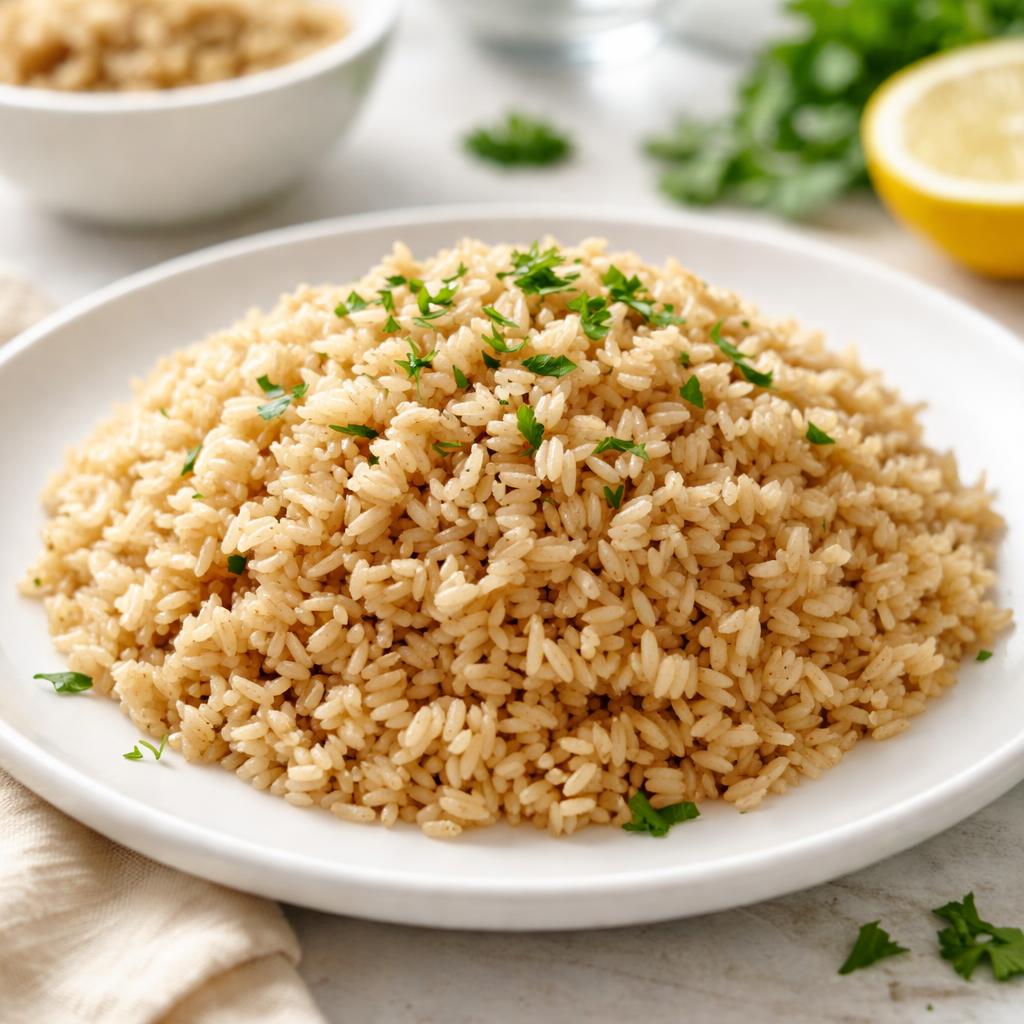
Brown Rice
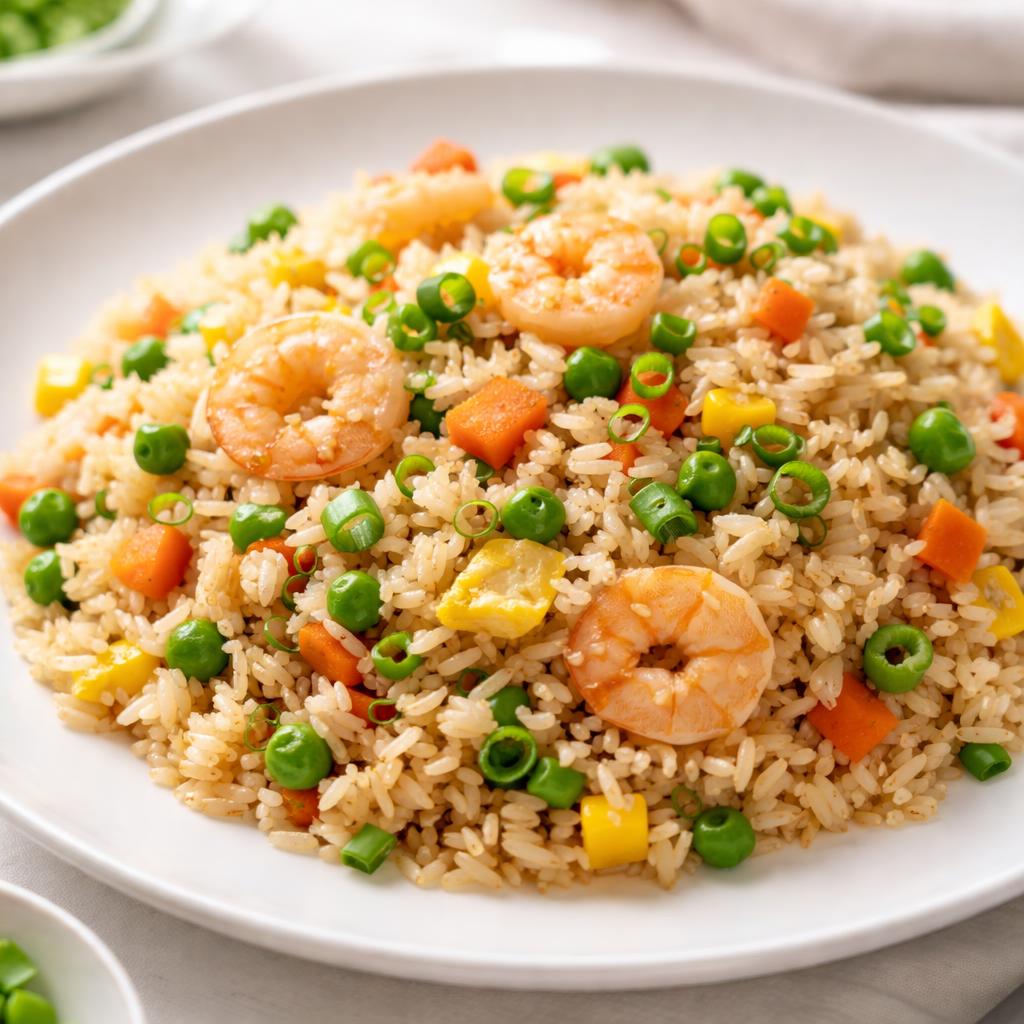
Fried Rice
🎯 Quick Verdict
Brown rice is a whole grain with higher fiber (2g vs. 1g) and fewer calories (215 vs. 325 per cup) compared to fried rice. Fried rice is richer in fat (14g vs. 2g), offering more energy but less suited for low-calorie diets. Brown rice is ideal for a clean, nutrient-dense meal, while fried rice is flavorful but higher in processed additions like oils and sodium.

Smart Nutrition Tracking with SnapCalorie

📊 Nutritional Comparison
Macronutrients
| Nutrient | Food 1 | Food 2 | Winner |
|---|---|---|---|
| Calories | 215 | 325 | ✓ |
| Protein | 5g | 5g | − |
| Carbs | 45g | 39g | ✓ |
| Fat | 2g | 14g | ✓ |
| Fiber | 2g | 1g | ✓ |
Vitamins & Minerals
| Nutrient | Food 1 | Food 2 | Winner |
|---|---|---|---|
| Vitamin D | 0mcg | 0mcg | − |
| Calcium | 20mg | 15mg | ✓ |
| Iron | 0.6mg | 0.5mg | ✓ |
🏆 Category Winners
Protein
Both foods provide 5g of protein per cup.
Fiber
Brown rice contains twice as much fiber per serving.
Calories
Brown rice has significantly fewer calories, suitable for weight management.
Vitamins
Brown rice wins slightly with marginally higher calcium and iron content.
🥗 Diet Compatibility
Keto
Food 1: Not Compatible
Food 2: Not Compatible
Both are high in carbohydrates.
Vegan
Food 1: Compatible
Food 2: Compatible
Both are plant-based and vegan-friendly.
Gluten Free
Food 1: Compatible
Food 2: May Not Be Compatible
Brown rice is naturally gluten-free, but fried rice may contain gluten through sauces or additives.
Paleo
Food 1: Not Compatible
Food 2: Not Compatible
Rice is not a paleo-approved food.
Low-Carb
Food 1: Not Compatible
Food 2: Not Compatible
Both are carbohydrate-rich foods.
💪 Health Benefits Comparison
Food 1 Benefits
- Good source of fiber for digestion
- Rich in magnesium for bone health
- Low in fat, ideal for weight management
- Contains antioxidants for cellular health
Food 2 Benefits
- Provides quick energy due to higher fat content
- Flavorful and potentially satisfying for diverse meals
- Can include vegetables for added nutrients
- Offers moderate protein for recovery
✅ The Bottom Line
Brown rice is better suited for those seeking a nutrient-dense, weight-loss-friendly option and a minimal-ingredient meal. Fried rice, while more flavorful, is higher in calories, fat, and sodium and should be consumed in moderation when prioritizing heart health or weight management.
Choose Food 1 for: Clean eating, weight management, heart health
Choose Food 2 for: Flavorful meals, quick energy, indulgent dining


