Brown Bread VS Whole Wheat Bun
A detailed nutritional comparison
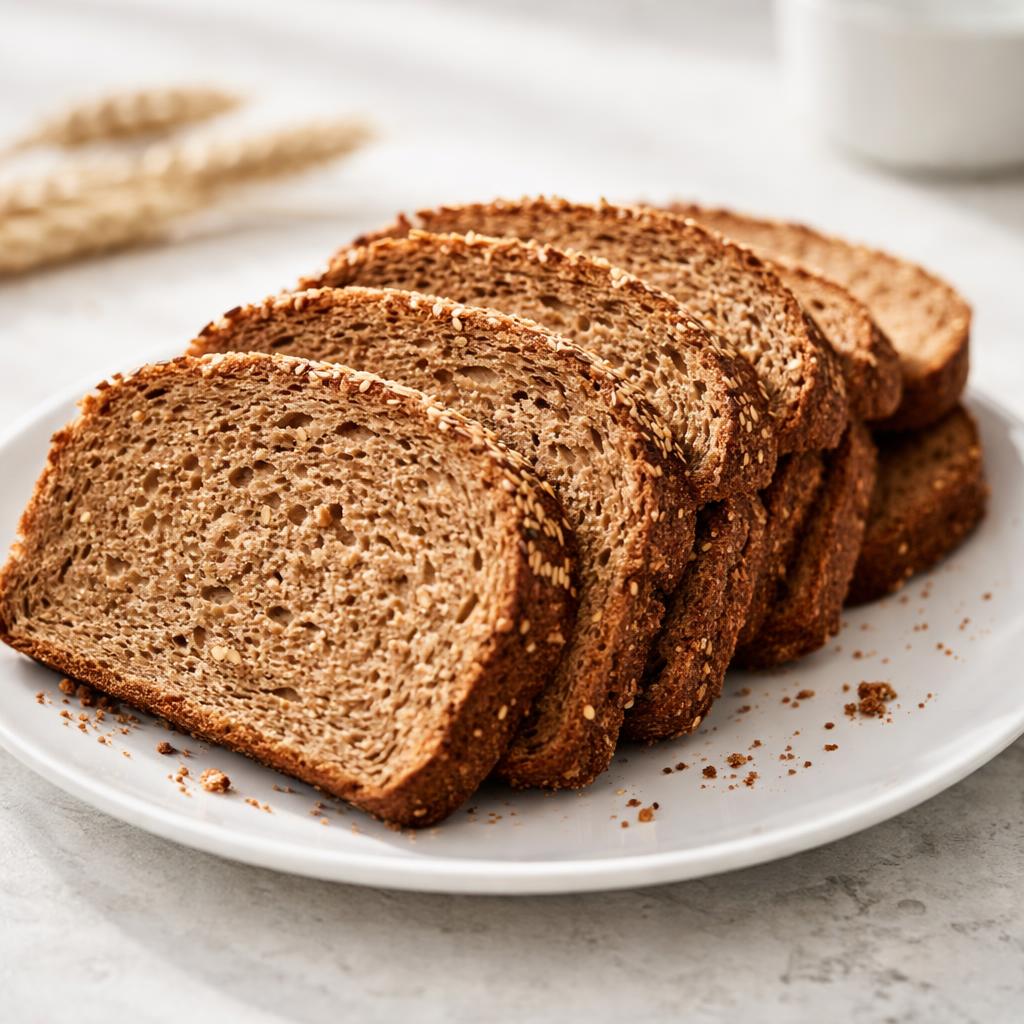
Brown Bread
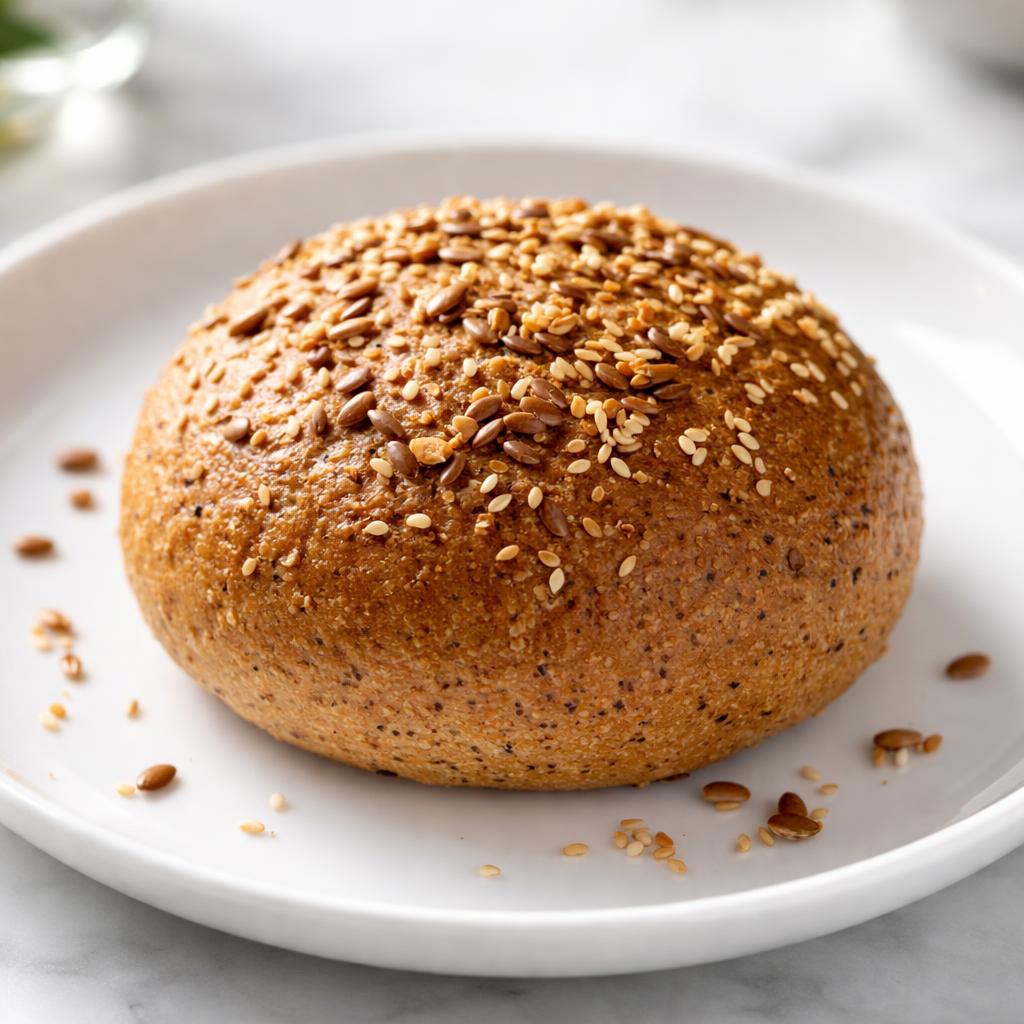
Whole Wheat Bun
🎯 Quick Verdict
Brown bread and whole wheat buns are both nutritious choices, with brown bread being slightly richer in fiber and lower in calories, while whole wheat buns provide more protein per serving. Brown bread is ideal for weight management and digestive health, whereas whole wheat buns offer a balanced option with slightly higher protein for muscle maintenance.

Smart Nutrition Tracking with SnapCalorie

📊 Nutritional Comparison
Macronutrients
| Nutrient | Food 1 | Food 2 | Winner |
|---|---|---|---|
| Calories | 70 | 120 | ✓ |
| Protein | 3g | 5g | ✓ |
| Carbs | 14g | 22g | ✓ |
| Fat | 0.8g | 1.5g | ✓ |
| Fiber | 2.5g | 1.8g | ✓ |
Vitamins & Minerals
| Nutrient | Food 1 | Food 2 | Winner |
|---|---|---|---|
| Vitamin D | 0mcg | 0mcg | − |
| Calcium | 35mg | 50mg | ✓ |
| Iron | 0.8mg | 1.2mg | ✓ |
🏆 Category Winners
Protein
Whole wheat buns contain 66% more protein per serving.
Fiber
Brown bread provides 39% more fiber per serving for improved digestion.
Calories
Brown bread has 41% fewer calories per slice compared to a whole wheat bun.
Vitamins
Whole wheat buns are slightly higher in calcium and iron, supporting bone health and oxygen transport.
🥗 Diet Compatibility
Keto
Food 1: Not Compatible
Food 2: Not Compatible
Both foods are high in carbohydrates, typical of breads.
Vegan
Food 1: Compatible
Food 2: Compatible
Neither contains animal-derived ingredients.
Gluten Free
Food 1: Not Compatible
Food 2: Not Compatible
Both foods contain gluten as they are made from wheat.
Paleo
Food 1: Not Compatible
Food 2: Not Compatible
Grains like wheat are excluded from a paleo diet.
Low-Carb
Food 1: Not Compatible
Food 2: Not Compatible
Carbohydrate content is too high for low-carb diets.
💪 Health Benefits Comparison
Food 1 Benefits
- Rich in fiber for digestive health
- Lower in calories for weight management
- Provides slow-digesting carbohydrates for sustained energy
Food 2 Benefits
- Higher in protein for muscle maintenance
- Contains iron for improved oxygen transport
- Calcium to support bone health
✅ The Bottom Line
Brown bread is best suited for those focusing on weight loss or digestive health due to its high fiber and low-calorie content. Whole wheat buns are better for individuals who prioritize protein intake along with a balanced nutrient profile, such as post-workout meals or active lifestyles.
Choose Food 1 for: Weight management, digestive health, light meals
Choose Food 2 for: Muscle maintenance, balanced meals, post-workout


