Broccoli VS Red Onion
A detailed nutritional comparison
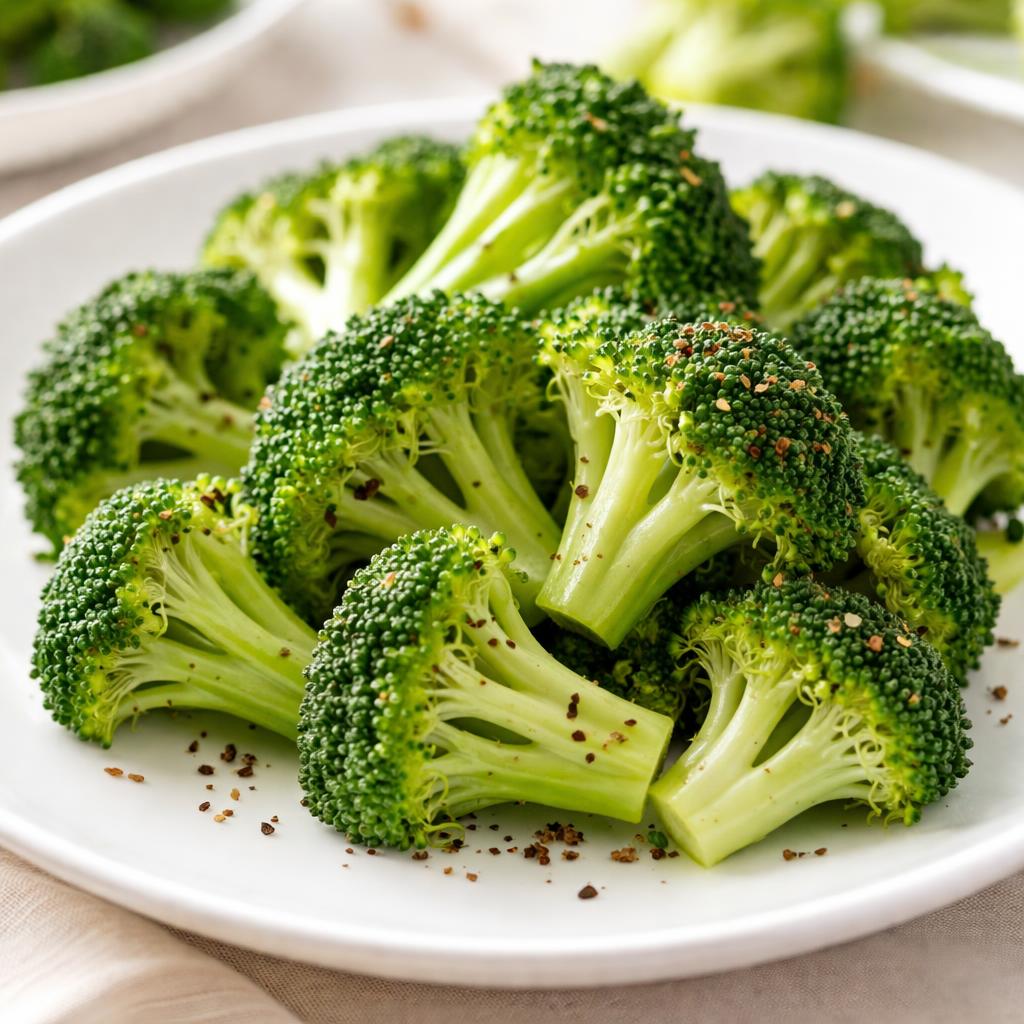
Broccoli
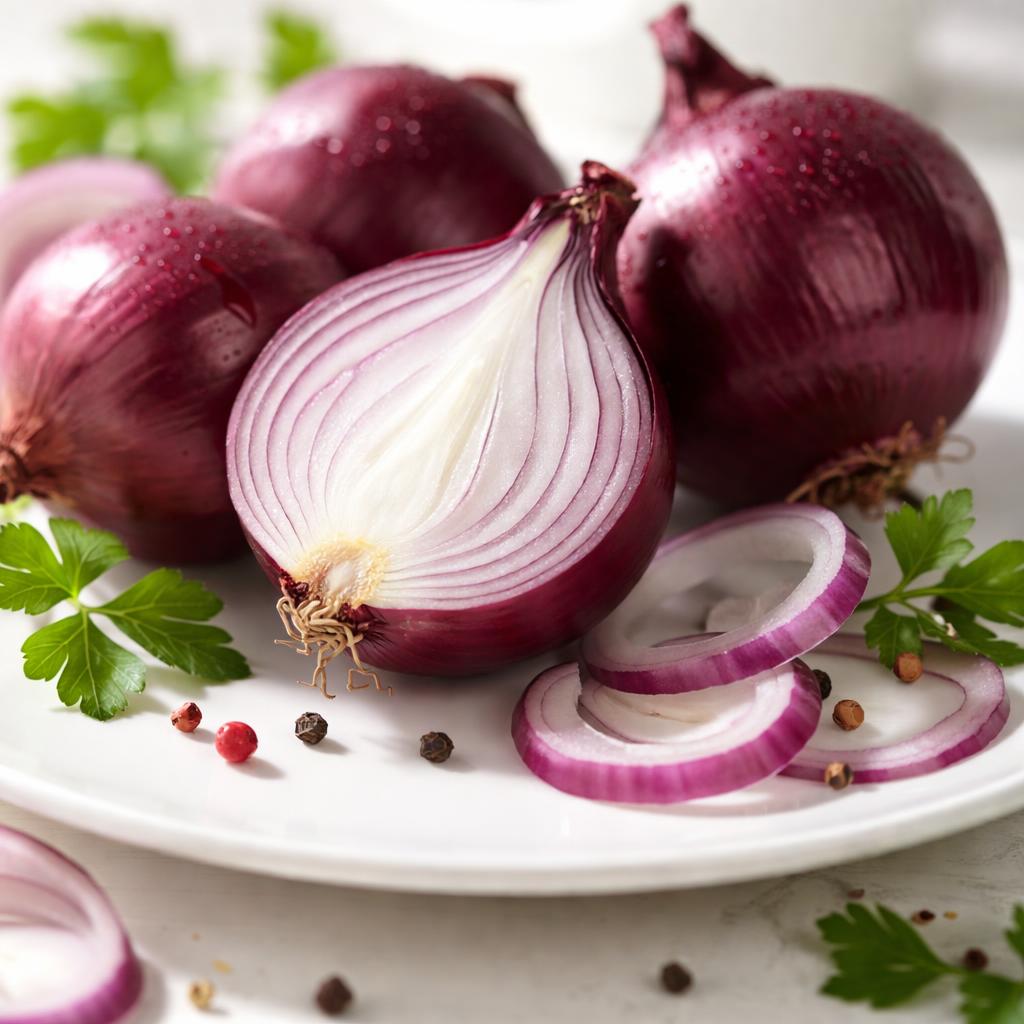
Red Onion
🎯 Quick Verdict
Broccoli is more nutrient-dense overall, providing higher protein, fiber, and lower calories per serving compared to red onion. Red onion shines with its unique antioxidants and better flavor profile for recipes requiring a sweet, tangy touch. Broccoli is ideal for weight loss and nutrient-packed meals, while red onion works well to boost flavor and heart health benefits in dishes.

Smart Nutrition Tracking with SnapCalorie

📊 Nutritional Comparison
Macronutrients
| Nutrient | Food 1 | Food 2 | Winner |
|---|---|---|---|
| Calories | 55 | 40 | ✓ |
| Protein | 4.3g | 1g | ✓ |
| Carbs | 11g | 9g | ✓ |
| Fat | 0.5g | 0.2g | ✓ |
| Fiber | 2.4g | 1.8g | ✓ |
Vitamins & Minerals
| Nutrient | Food 1 | Food 2 | Winner |
|---|---|---|---|
| Vitamin C | 89.2mg | 7.4mg | ✓ |
| Vitamin K | 101.6mcg | 0.4mcg | ✓ |
| Folate | 63mcg | 19mcg | ✓ |
| Potassium | 316mg | 146mg | ✓ |
🏆 Category Winners
Protein
Broccoli offers 4.3g of protein per serving, compared to 1g in red onion.
Fiber
Broccoli provides 2.4g of fiber per serving vs. 1.8g in red onion.
Calories
Red onion contains slightly fewer calories per serving (40 vs. 55).
Vitamins
Broccoli outshines red onion with significant amounts of Vitamin C, K, Folate, and Potassium.
🥗 Diet Compatibility
Keto
Food 1: Compatible
Food 2: Compatible
Both are low-carb and fit within a ketogenic diet.
Vegan
Food 1: Compatible
Food 2: Compatible
Both are plant-based and suitable for vegans.
Gluten Free
Food 1: Compatible
Food 2: Compatible
Neither contains gluten.
Paleo
Food 1: Compatible
Food 2: Compatible
Both align with paleo dietary guidelines.
Low-Carb
Food 1: Compatible
Food 2: Compatible
Both foods are naturally low in carbohydrates.
💪 Health Benefits Comparison
Food 1 Benefits
- Rich in Vitamin C for immune system support
- Source of fiber to aid digestion
- Contains antioxidants that help fight inflammation
- High in Vitamin K for bone health
Food 2 Benefits
- Provides antioxidants like quercetin for heart health
- Low-calorie option for weight management
- Source of small amounts of folate for cellular health
- Helps reduce oxidative stress with sulfur compounds
✅ The Bottom Line
Choose broccoli for a more nutrient-dense option, particularly if seeking higher protein, fiber, and vitamins. Red onion is best for adding unique flavor and moderate antioxidant benefits to dishes. Both are versatile ingredients with complementary benefits.
Choose Food 1 for: Weight loss, nutrient-rich meals, boosting digestion and immunity
Choose Food 2 for: Flavor enhancement, heart health, and light calorie-controlled recipes


