Broccoli VS Red Grapes
A detailed nutritional comparison
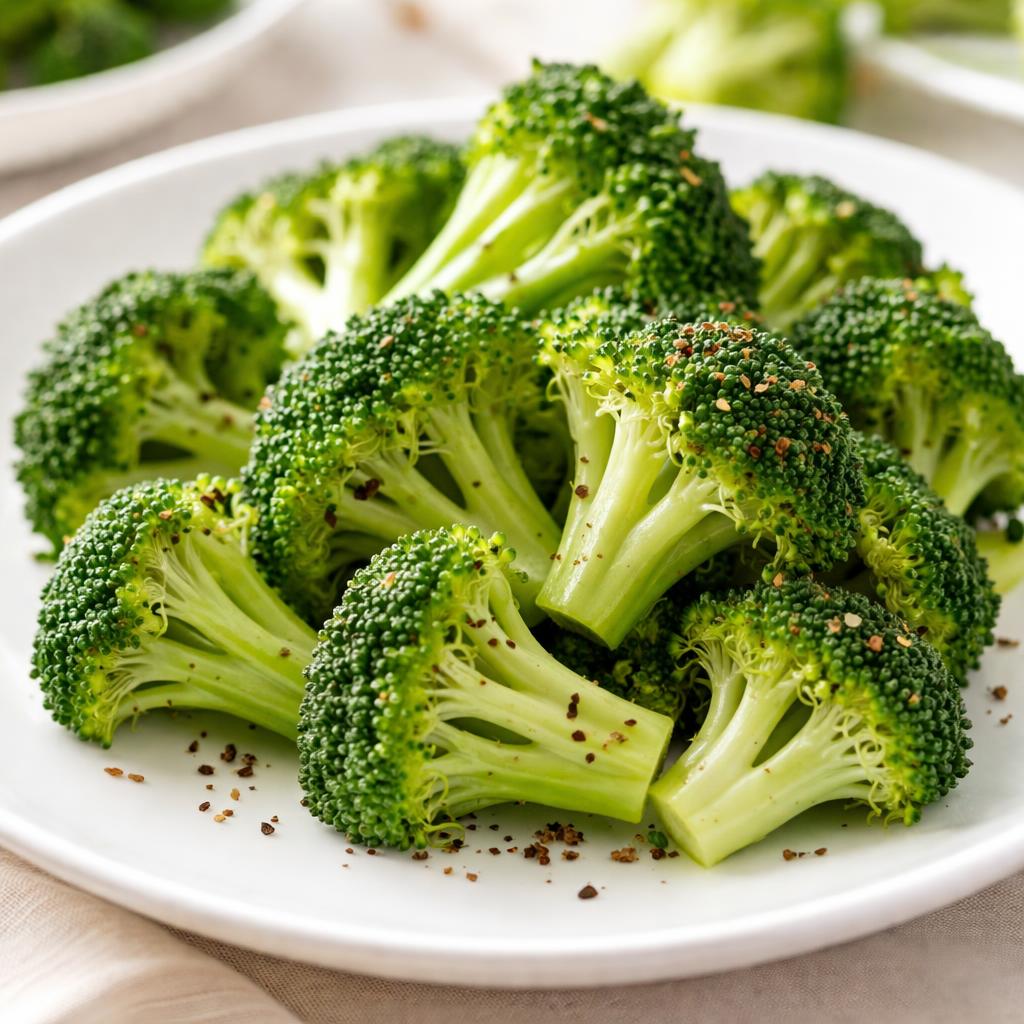
Broccoli
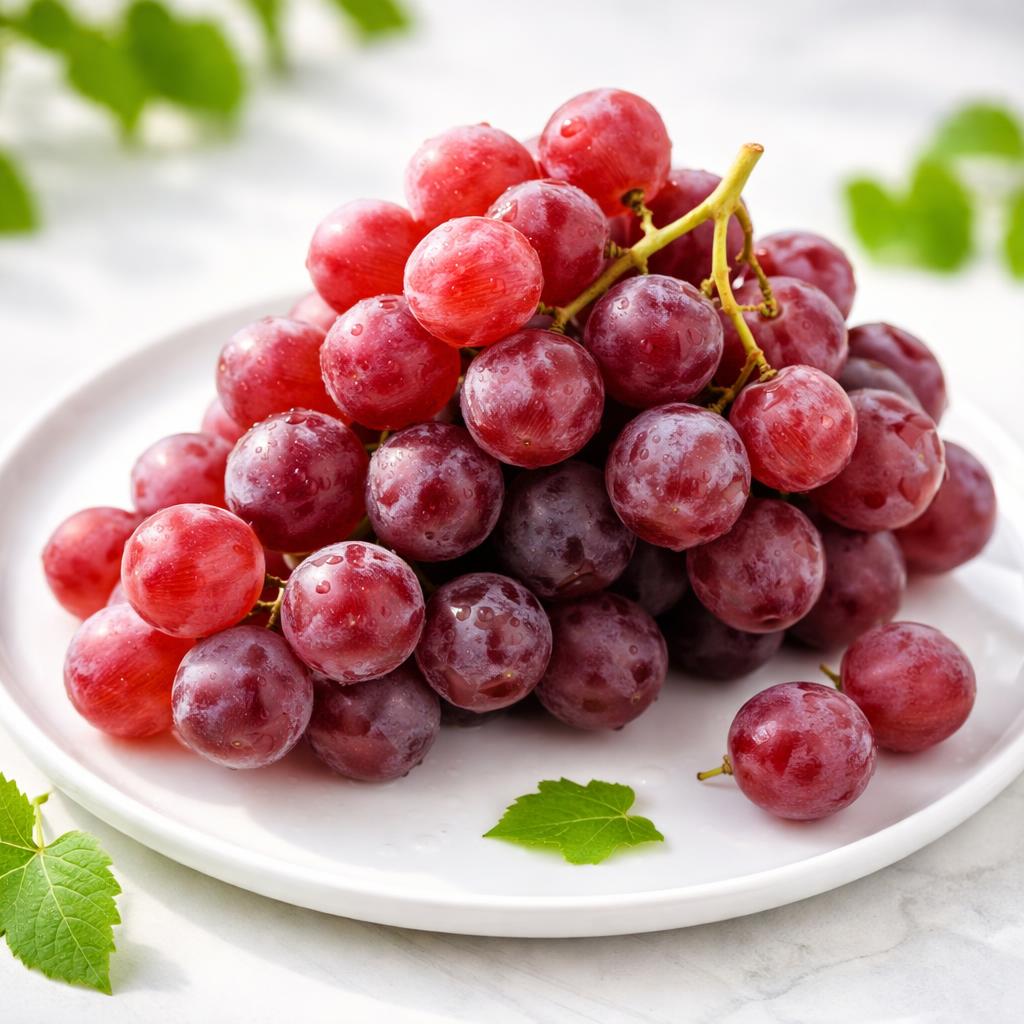
Red Grapes
🎯 Quick Verdict
Broccoli is more nutrient-dense overall, offering significantly higher protein, fiber, and fewer calories compared to red grapes. However, red grapes stand out in their sugar content and antioxidant profile, making them ideal for quick energy and heart health. Both foods are plant-based and versatile in diet applications.

Smart Nutrition Tracking with SnapCalorie

📊 Nutritional Comparison
Macronutrients
| Nutrient | Food 1 | Food 2 | Winner |
|---|---|---|---|
| Calories | 55 (per 100g) | 70 (per 100g) | − |
| Protein | 4.2g | 0.7g | − |
| Carbs | 11.2g | 18.1g | − |
| Fat | 0.3g | 0.2g | − |
| Fiber | 3.7g | 0.9g | − |
Vitamins & Minerals
| Nutrient | Food 1 | Food 2 | Winner |
|---|---|---|---|
| Vitamin C | 89.2mg | 3.2mg | − |
| Vitamin K | 101.6mcg | 22mcg | − |
| Vitamin A | 623IU | 102IU | − |
🏆 Category Winners
Protein
Broccoli contains 6x more protein per serving.
Fiber
Broccoli offers 4x more fiber for digestive health.
Calories
Broccoli provides 20% fewer calories, ideal for weight management.
🥗 Diet Compatibility
Keto
Food 1: Compatible
Food 2: Not Compatible
Broccoli is low in carbs, while red grapes are higher in sugars.
Vegan
Food 1: Compatible
Food 2: Compatible
Both are plant-based foods.
Gluten Free
Food 1: Compatible
Food 2: Compatible
Neither contains gluten.
Paleo
Food 1: Compatible
Food 2: Compatible
Both are whole, unprocessed foods within paleo guidelines.
Low Carb
Food 1: Compatible
Food 2: Partially Compatible
Broccoli fits better in low-carb diets due to fewer carbs.
💪 Health Benefits Comparison
Food 1 Benefits
- High in protein for muscle maintenance and repair
- Rich in fiber for improved digestion
- Excellent source of vitamin C for immune support
- Provides antioxidants like sulforaphane for anti-inflammatory effects
Food 2 Benefits
- Rich in natural sugars for a quick energy boost
- Provides antioxidants like resveratrol for heart and cellular health
- Contains key vitamins such as vitamin K for bone health
- Hydrating and refreshing due to high water content
✅ The Bottom Line
Broccoli is the superior choice for those seeking nutrient density, high fiber, and protein content, making it ideal for weight loss or balanced meals. Red grapes are better for quick energy, hydration, and antioxidant boosts, making them great for snacking or a refreshing treat.
Choose Food 1 for: Weight loss, muscle repair, balanced meals, digestion
Choose Food 2 for: Quick energy, hydration, antioxidant intake, heart health


