Broccoli VS Poached Egg
A detailed nutritional comparison
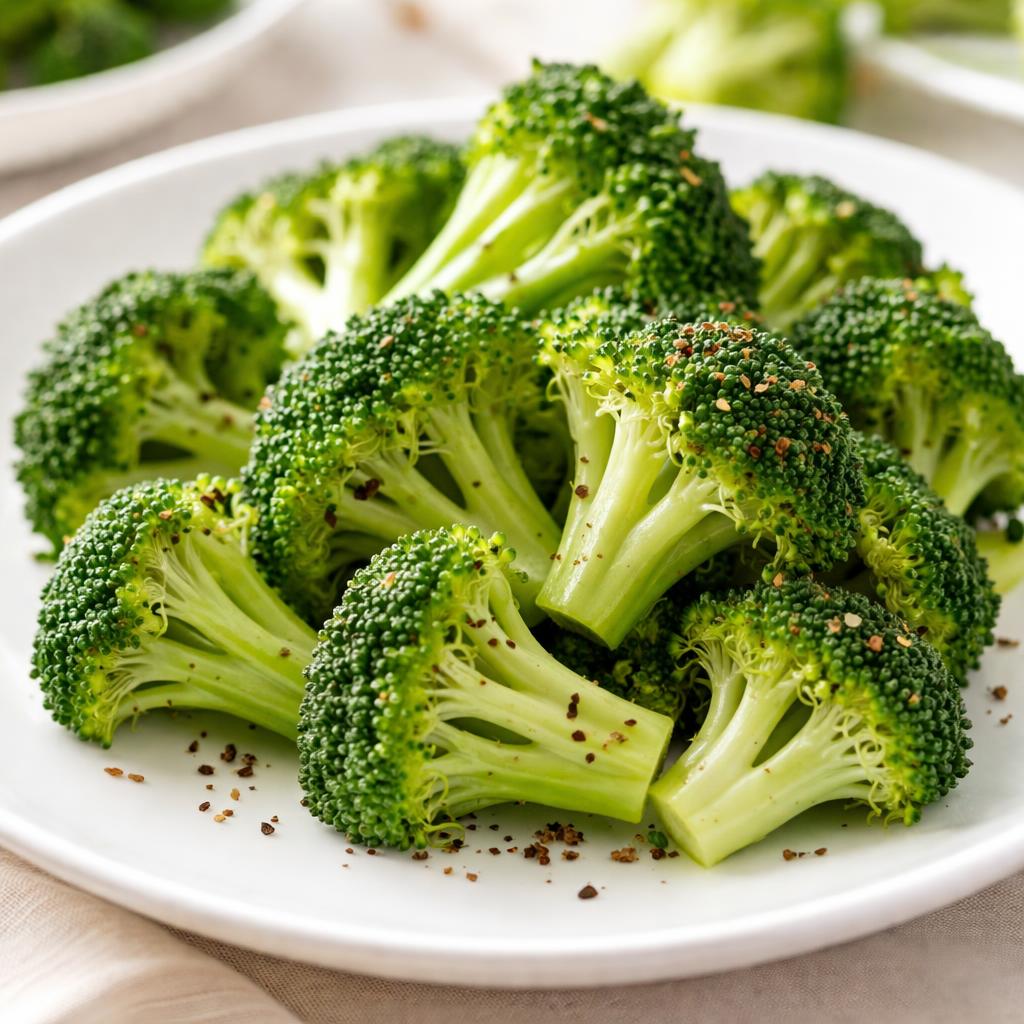
Broccoli
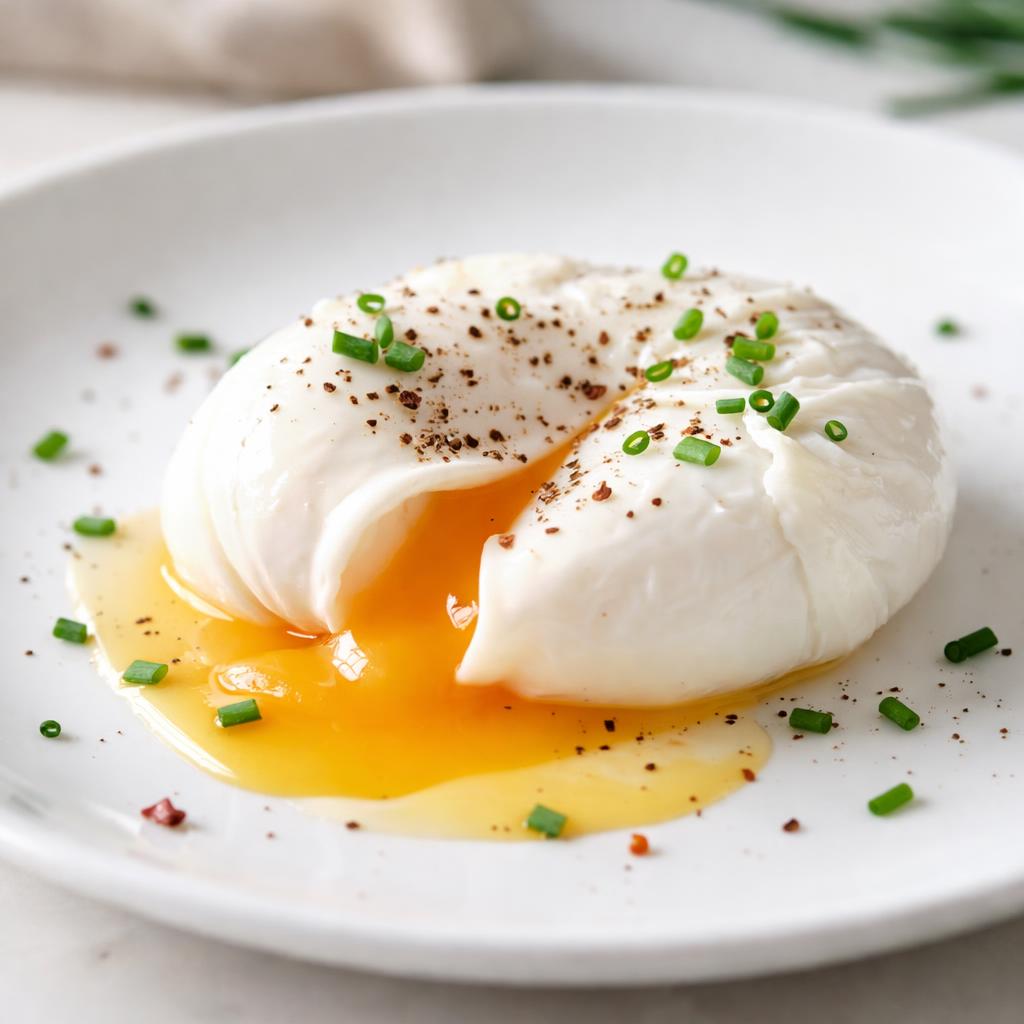
Poached Egg
🎯 Quick Verdict
Broccoli and poached eggs are both nutrient-dense foods suitable for different dietary goals. Broccoli is lower in calories and higher in fiber, making it ideal for weight management and digestive health, while poached eggs are a superior protein source suitable for muscle building and repair. Both foods complement each other well in a balanced diet.

Smart Nutrition Tracking with SnapCalorie

📊 Nutritional Comparison
Macronutrients
| Nutrient | Food 1 | Food 2 | Winner |
|---|---|---|---|
| Calories | 55 (per cup) | 70 (per large egg) | ✓ |
| Protein | 4.7g | 6g | ✓ |
| Carbs | 11g | 0.6g | ✓ |
| Fat | 0.6g | 5g | ✓ |
| Fiber | 2.4g | 0g | ✓ |
Vitamins & Minerals
| Nutrient | Food 1 | Food 2 | Winner |
|---|---|---|---|
| Vitamin C | 81mg | 0mg | ✓ |
| Vitamin A | 567 IU | 260 IU | ✓ |
| Vitamin D | 0mcg | 1mcg | ✓ |
| Calcium | 62mg | 25mg | ✓ |
| Iron | 0.7mg | 0.8mg | ✓ |
🏆 Category Winners
Protein
Poached egg contains more protein, with 6g versus 4.7g in broccoli.
Fiber
Broccoli provides 2.4g of fiber, while poached egg contains none.
Calories
Broccoli is lower in calories, with 55 calories per cup compared to 70 per egg.
Vitamins
Broccoli is higher in vitamin C, vitamin A, and calcium compared to poached egg.
🥗 Diet Compatibility
Keto
Food 1: Compatible
Food 2: Compatible
Both are low-carb options suitable for keto diets.
Vegan
Food 1: Compatible
Food 2: Not Compatible
Broccoli is plant-based, while poached eggs are animal-derived.
Gluten Free
Food 1: Compatible
Food 2: Compatible
Neither contains gluten.
Paleo
Food 1: Compatible
Food 2: Compatible
Both foods are considered paleo-friendly.
Low-Carb
Food 1: Compatible
Food 2: Compatible
Both contain minimal carbohydrates, especially poached eggs.
💪 Health Benefits Comparison
Food 1 Benefits
- Rich in vitamin C for immune system support.
- High in fiber for digestive health and weight management.
- Contains cancer-fighting antioxidants like sulforaphane.
- Provides essential nutrients like calcium and vitamin A for bone and eye health.
Food 2 Benefits
- Excellent source of high-quality protein for muscle repair and maintenance.
- Rich in vitamin D to support bone and immune health.
- Contains healthy fats for brain function and hormone regulation.
- Offers choline, supporting brain development and liver function.
✅ The Bottom Line
Broccoli is perfect for those prioritizing weight loss, digestive health, and high vitamin intake. Poached eggs suit individuals looking to boost protein intake, support muscle repair, and add healthy fats to their diet. Incorporating both foods provides a balanced nutritional profile for most diets.
Choose Food 1 for: Weight management, vegan diets, digestive health, immune support
Choose Food 2 for: Muscle repair, keto diets, brain health, high-protein diets


