Broccoli VS Oil
A detailed nutritional comparison
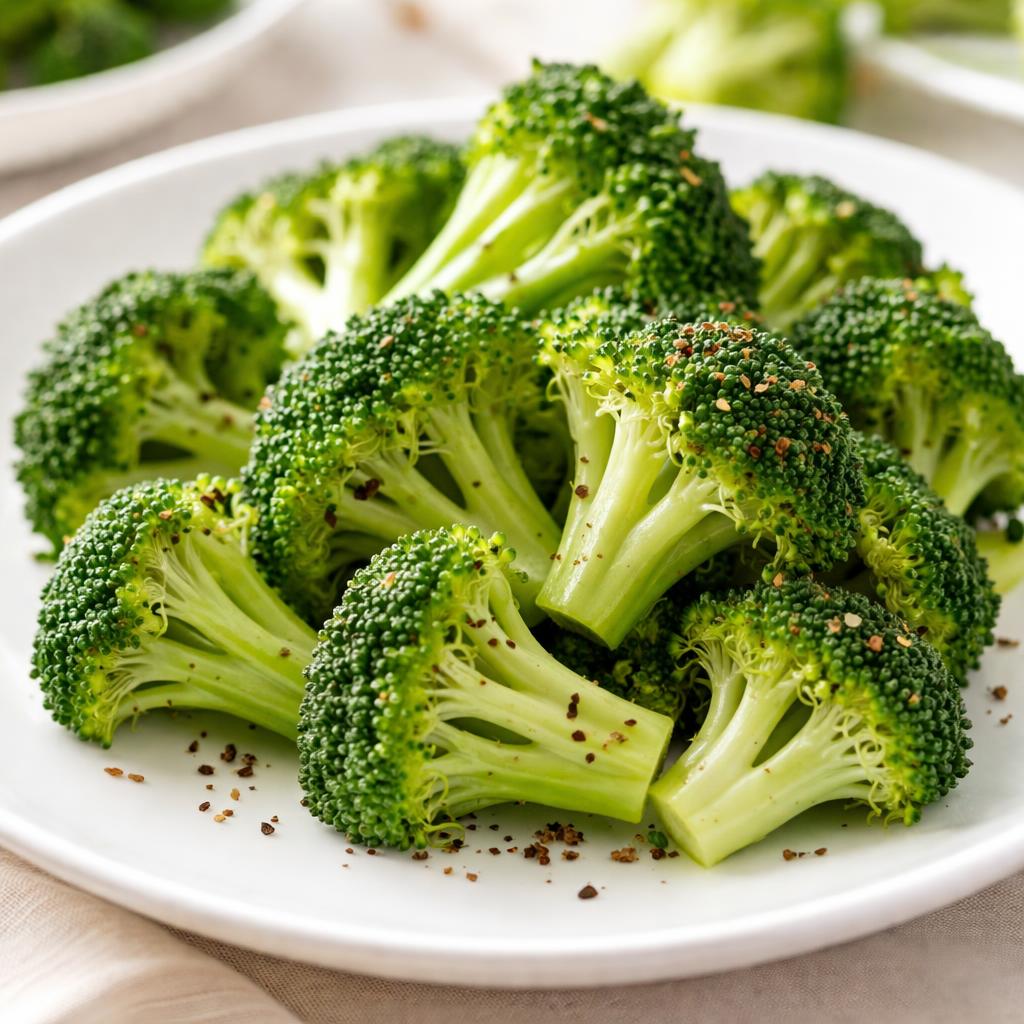
Broccoli
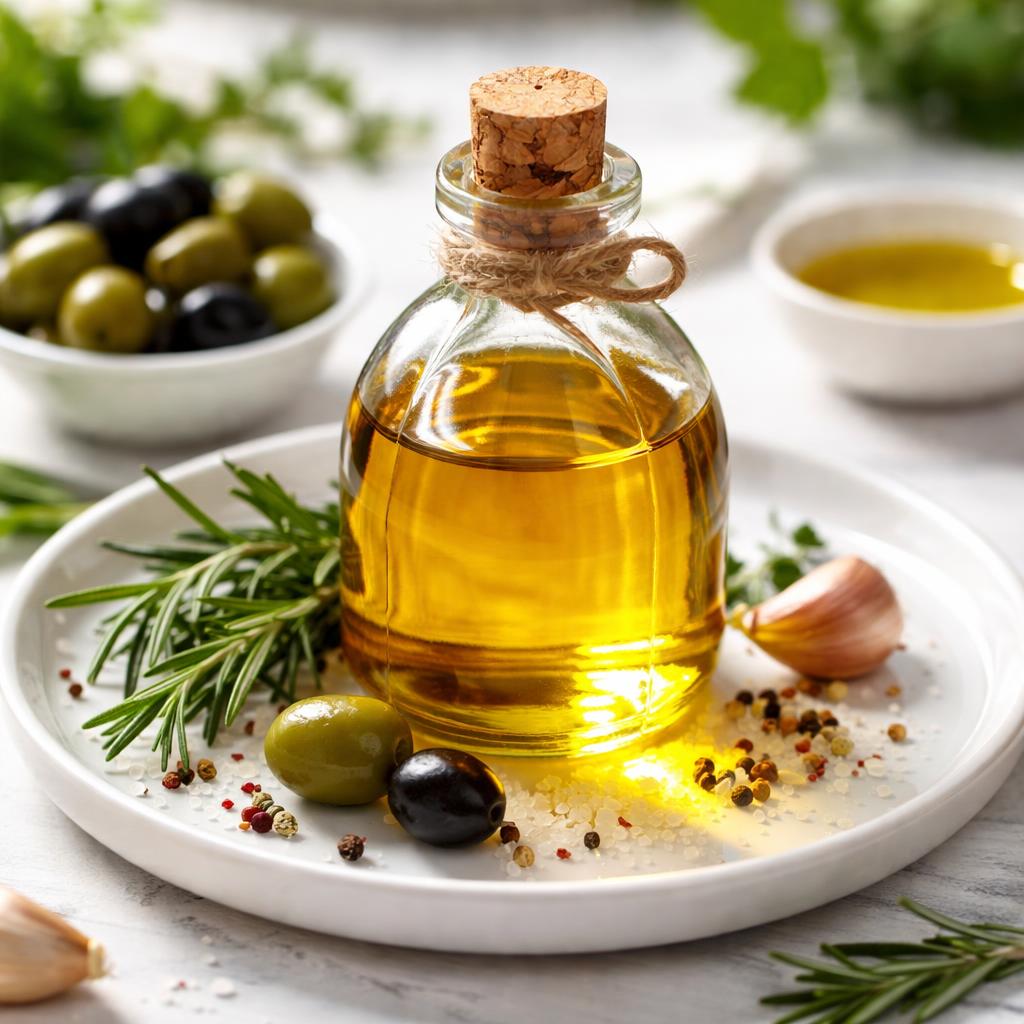
Oil
🎯 Quick Verdict
Broccoli is a nutrient-dense vegetable high in protein, fiber, and vitamins, making it ideal for balanced diets and weight loss. Oil, on the other hand, is calorie-dense and purely composed of fats, providing a concentrated energy source suitable for cooking and adding healthy fats to meals. Both serve distinctly different roles in a diet, depending on nutritional needs.

Smart Nutrition Tracking with SnapCalorie

📊 Nutritional Comparison
Macronutrients
| Nutrient | Food 1 | Food 2 | Winner |
|---|---|---|---|
| Calories | 55 (per 100g) | 884 (per 100g) | ✓ |
| Protein | 4g | 0g | ✓ |
| Carbs | 11g | 0g | ✓ |
| Fat | 0.3g | 100g | ✓ |
| Fiber | 2.6g | 0g | ✓ |
Vitamins & Minerals
| Nutrient | Food 1 | Food 2 | Winner |
|---|---|---|---|
| Vitamin C | 89.2mg | 0mg | ✓ |
| Vitamin K | 101.6mcg | 60mcg (depends on type of oil) | ✓ |
| Vitamin E | 0.78mg | 4.46mg (e.g., olive oil) | ✓ |
🏆 Category Winners
Protein
Broccoli contains 4g of protein per 100g, while oil has no protein.
Fiber
Broccoli provides 2.6g of fiber, while oil contains none.
Calories
Broccoli is significantly lower in calories at 55 per 100g compared to oil's 884 calories per 100g.
Vitamins
Broccoli is richer in vitamins overall, especially Vitamin C and Vitamin K.
🥗 Diet Compatibility
Keto
Food 1: Smaller portions Compatible
Food 2: Compatible
Oil fits keto due to zero carbs; broccoli has moderate carbs but is manageable.
Vegan
Food 1: Compatible
Food 2: Compatible
Both are plant-based and vegan-friendly.
Gluten Free
Food 1: Compatible
Food 2: Compatible
Neither contains any gluten or derivatives.
Paleo
Food 1: Compatible
Food 2: Compatible
Both fit paleo guidelines as whole, unprocessed foods.
Low-Carb
Food 1: Compatible in smaller portions
Food 2: Compatible
Oil is zero-carb, while broccoli is low-carb with 11g per 100g but should be eaten in moderation on strict low-carb diets.
💪 Health Benefits Comparison
Food 1 Benefits
- Rich in Vitamin C for immune health
- High fiber content supports digestion
- Contains plant-based protein for muscle maintenance
- Provides antioxidants and anti-inflammatory benefits
Food 2 Benefits
- Rich in healthy fats for energy and hormone production
- Provides Vitamin E for skin health and antioxidant properties
- Supports heart health through monounsaturated fats (e.g., olive oil)
- Improves absorption of fat-soluble vitamins in meals
✅ The Bottom Line
Broccoli and oil serve dramatically different nutritional purposes. Choose broccoli for nutrient density, fiber, and vitamins, ideal for weight loss and balanced diets. Oil is best when adding healthy fats to recipes, supporting energy needs, and enhancing flavor. In meal preparation, they complement each other well: broccoli for micronutrients and oil for healthy cooking and caloric density.
Choose Food 1 for: Weight management, nutrient-rich diets, fiber intake
Choose Food 2 for: Energy boost, cooking, fat-soluble vitamin absorption


