Broccoli VS Greens
A detailed nutritional comparison
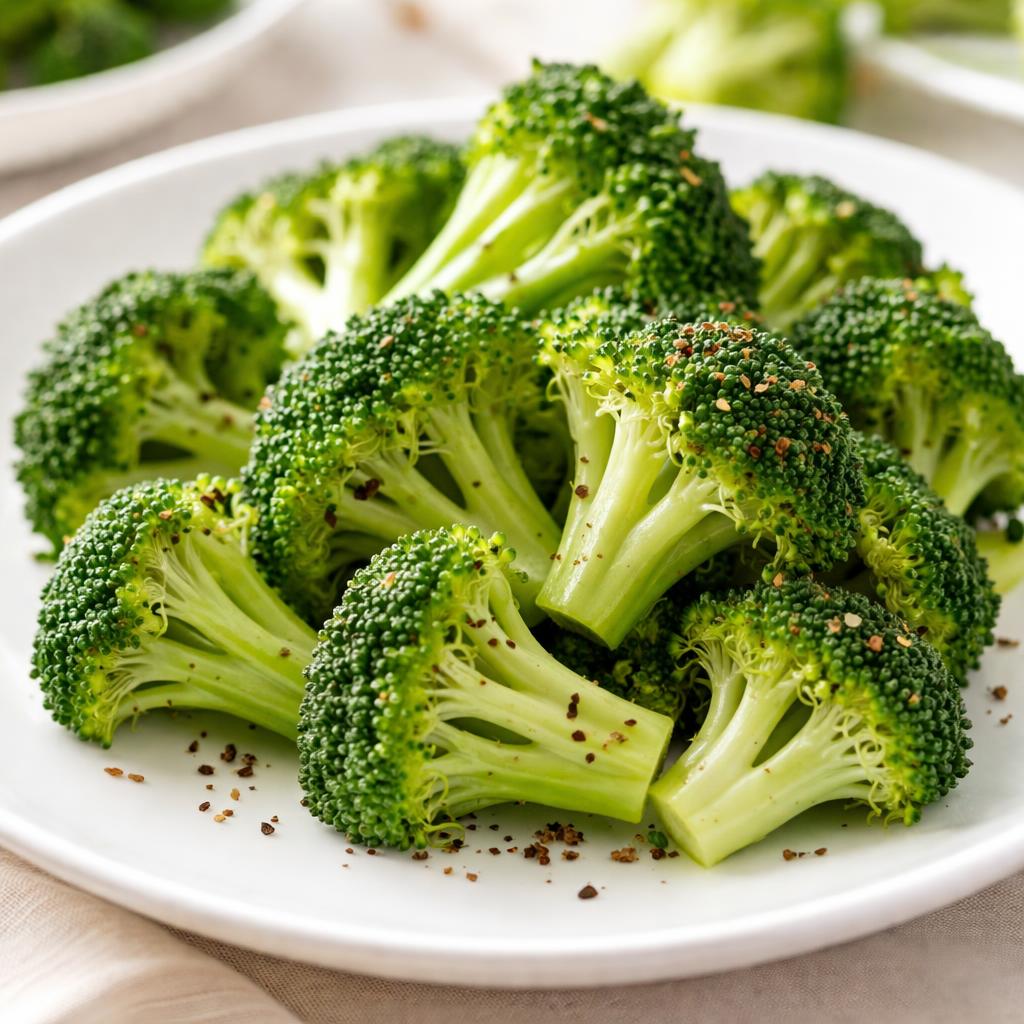
Broccoli
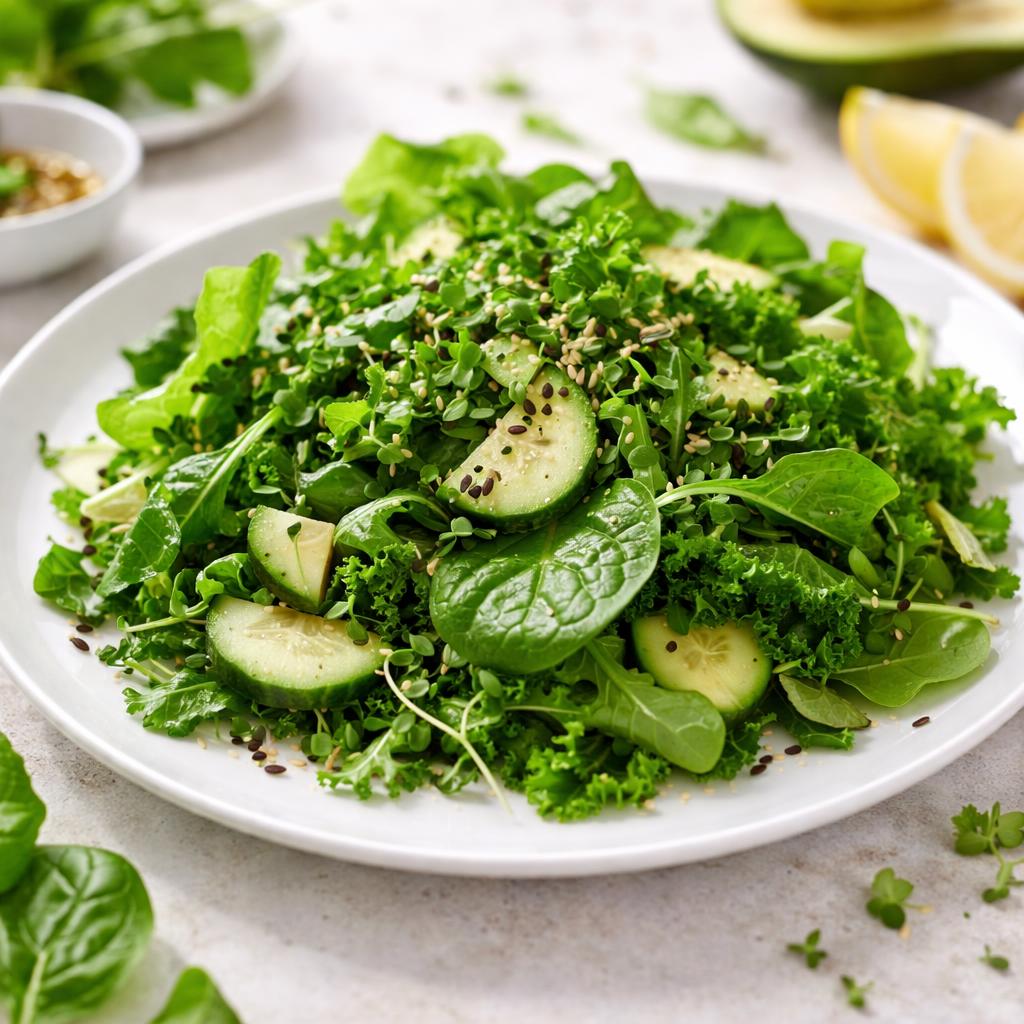
Greens
🎯 Quick Verdict
Broccoli is nutritionally superior to greens (such as mixed leafy greens) due to higher protein and fiber content. Greens are notable for their varied micronutrients and antioxidants, but broccoli offers a more balanced macronutrient profile suitable for muscle maintenance and weight control. Both are excellent for plant-based diets and overall health goals.

Smart Nutrition Tracking with SnapCalorie

📊 Nutritional Comparison
Macronutrients
| Nutrient | Food 1 | Food 2 | Winner |
|---|---|---|---|
| Calories | 55 (per 100g) | 50 (per 100g) | − |
| Protein | 4.3g | 2.9g | − |
| Carbs | 11.2g | 9.6g | − |
| Fat | 0.6g | 0.4g | − |
| Fiber | 2.6g | 1.8g | − |
Vitamins & Minerals
| Nutrient | Food 1 | Food 2 | Winner |
|---|---|---|---|
| Vitamin C | 89.2mg | 12mg | − |
| Vitamin A | 623IU | 4699IU | − |
| Calcium | 47mg | 99mg | − |
| Iron | 0.73mg | 2.7mg | − |
🏆 Category Winners
Protein
Broccoli contains almost 50% more protein compared to greens.
Fiber
Broccoli offers more dietary fiber per serving.
Calories
Both are extremely low-calorie vegetables, nearly identical in this regard.
Vitamins
Greens are far richer in vitamin A, calcium, and iron, making them beneficial for micronutrient density.
🥗 Diet Compatibility
Keto
Food 1: Unknown
Food 2: Unknown
Both are low-carb, non-starchy vegetables ideal for keto.
Vegan
Food 1: Unknown
Food 2: Unknown
Both are 100% plant-based and suitable for vegan diets.
Gluten Free
Food 1: Unknown
Food 2: Unknown
Both naturally contain no gluten.
Paleo
Food 1: Unknown
Food 2: Unknown
Both fit the paleo dietary requirements due to their natural, whole food profile.
Low-Carb
Food 1: Unknown
Food 2: Unknown
Both are low in carbohydrates and suitable for low-carb eating plans.
💪 Health Benefits Comparison
Food 1 Benefits
Food 2 Benefits
✅ The Bottom Line
Choose broccoli when looking for a more balanced macronutrient profile with additional protein and fiber. Opt for greens if prioritizing micronutrients, especially vitamin A, calcium, and iron. Both are versatile, nutrient-dense vegetables suitable for healthy diets.


