Bread With Butter VS White Bread Toast
A detailed nutritional comparison
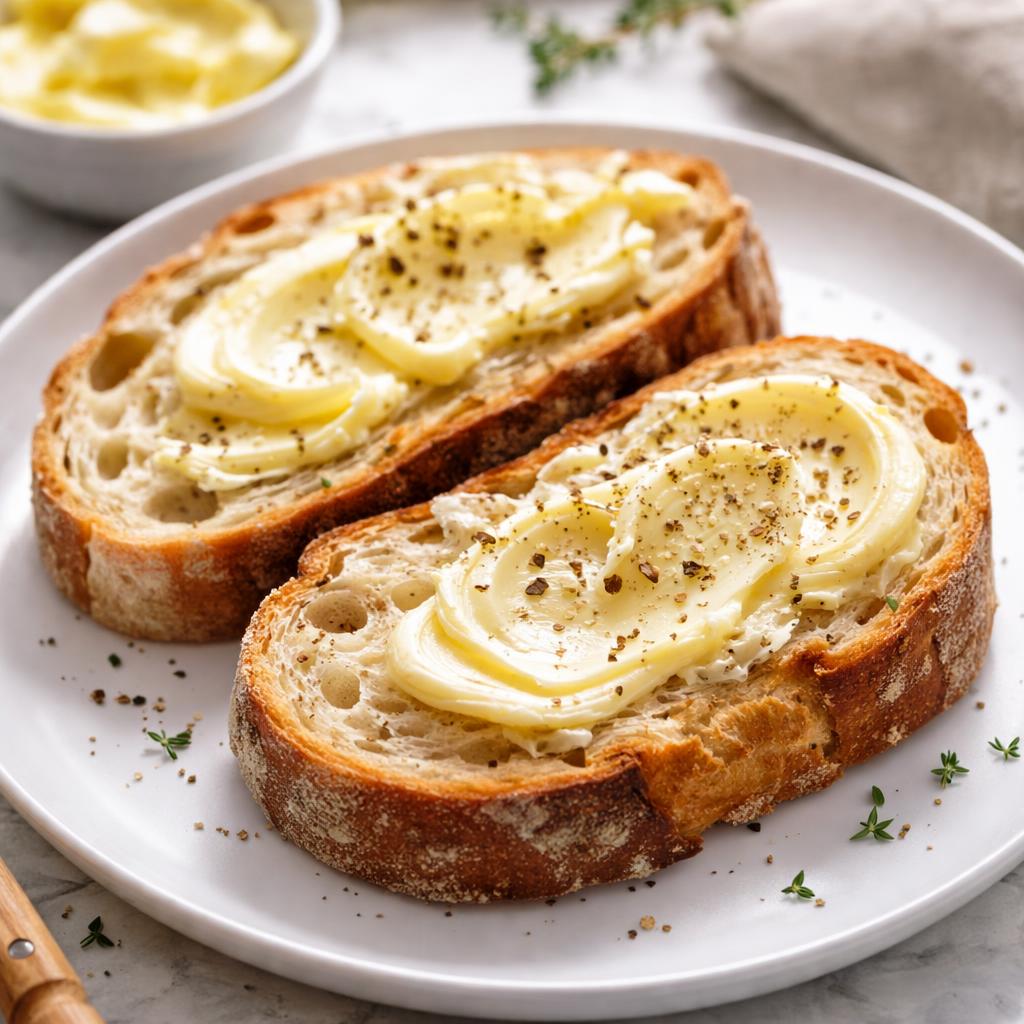
Bread With Butter
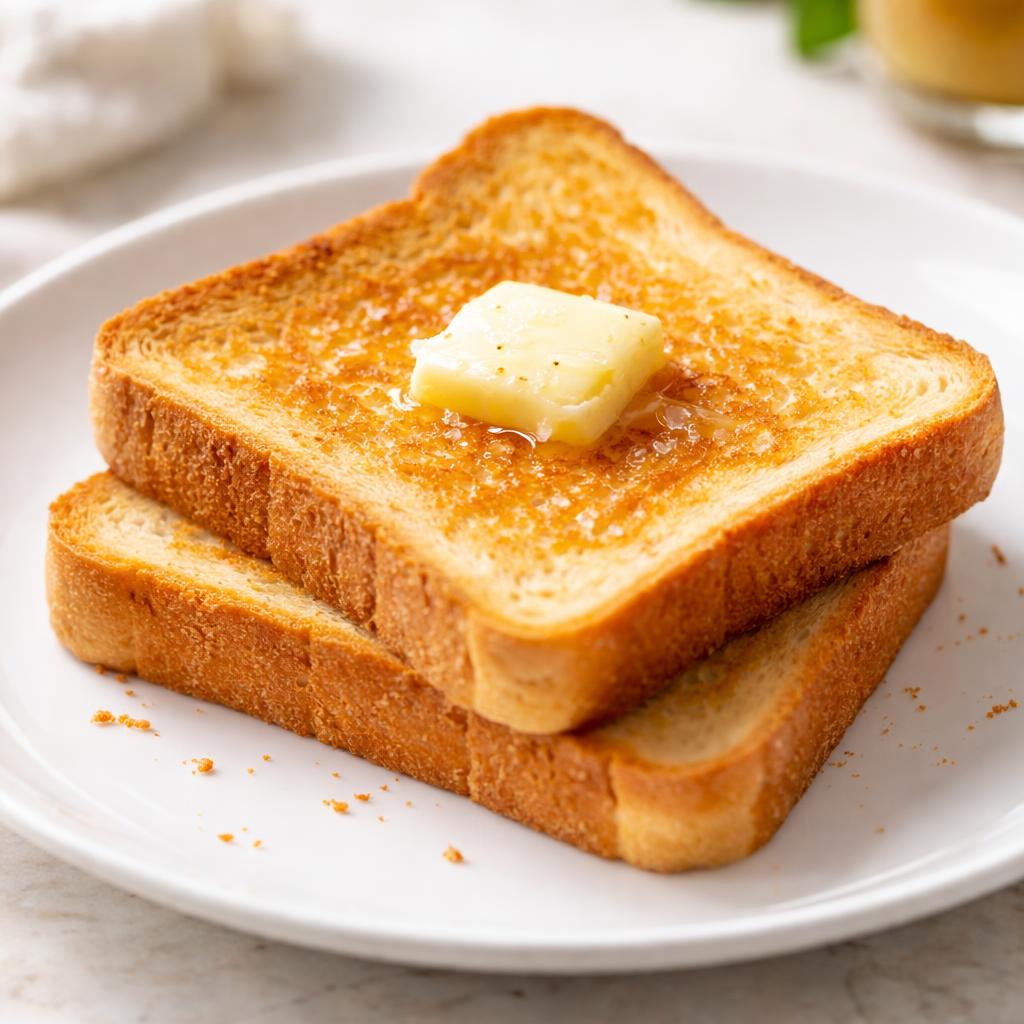
White Bread Toast
🎯 Quick Verdict
Bread with butter (Food1) is higher in protein and provides more fat due to the butter, making it more satiating, while white bread toast (Food2) is lower in calories and slightly more carbohydrate-centric. Food1 is better for maintaining energy and satiation, whereas Food2 may suit lower-calorie intake days or lighter snacks.

Smart Nutrition Tracking with SnapCalorie

📊 Nutritional Comparison
Macronutrients
| Nutrient | Food 1 | Food 2 | Winner |
|---|---|---|---|
| Calories | 165 | 80 | ✓ |
| Protein | 5g | 2g | ✓ |
| Carbs | 16g | 15g | ✓ |
| Fat | 9g | 1g | ✓ |
| Fiber | 0.8g | 0.8g | − |
Vitamins & Minerals
| Nutrient | Food 1 | Food 2 | Winner |
|---|---|---|---|
| Vitamin D | 0.12mcg (from butter) | 0mcg | ✓ |
| Calcium | 20mg | 30mg | ✓ |
| Iron | 0.7mg | 0.5mg | ✓ |
🏆 Category Winners
Protein
Bread with butter has more protein due to the butter addition.
Fiber
Both foods provide approximately 0.8g of fiber per serving.
Calories
White bread toast contains only 80 calories per slice compared to 165 for bread with butter.
Vitamins
Bread with butter provides more Vitamin D and iron.
🥗 Diet Compatibility
Keto
Food 1: Not Compatible
Food 2: Not Compatible
Both foods are high in carbs from white bread.
Vegan
Food 1: Not Compatible
Food 2: Compatible
Butter in food1 makes it unsuitable for vegans.
Gluten Free
Food 1: Not Compatible
Food 2: Not Compatible
Both foods are made with wheat-based bread.
Paleo
Food 1: Not Compatible
Food 2: Not Compatible
White bread is processed and not paleo-friendly.
Low-Carb
Food 1: Not Compatible
Food 2: Not Compatible
Both foods are too high in carbs for typical low-carb diets.
💪 Health Benefits Comparison
Food 1 Benefits
- Provides lasting energy due to a balance of fat and carbs
- Source of Vitamin D from butter for bone health
- Contains more protein, aiding muscle repair and growth
Food 2 Benefits
- Lower in calories for weight management
- Good source of quick-digesting carbohydrates for immediate energy
- Provides a modest amount of calcium for bone health
✅ The Bottom Line
Bread with butter is a better option for those looking for a more filling and energy-dense snack, while white bread toast might be a better fit if you are aiming to reduce calorie intake. Both foods are suitable for quick, easy breakfasts or snacks but lack compatibility with specialized diets like keto or paleo.
Choose Food 1 for: Energy boost, high-protein snack, breakfast spreads with satiating fats
Choose Food 2 for: Low-calorie snack, quick digestible energy, lighter breakfast options


