Bread With Butter VS Slice Of White Bread
A detailed nutritional comparison
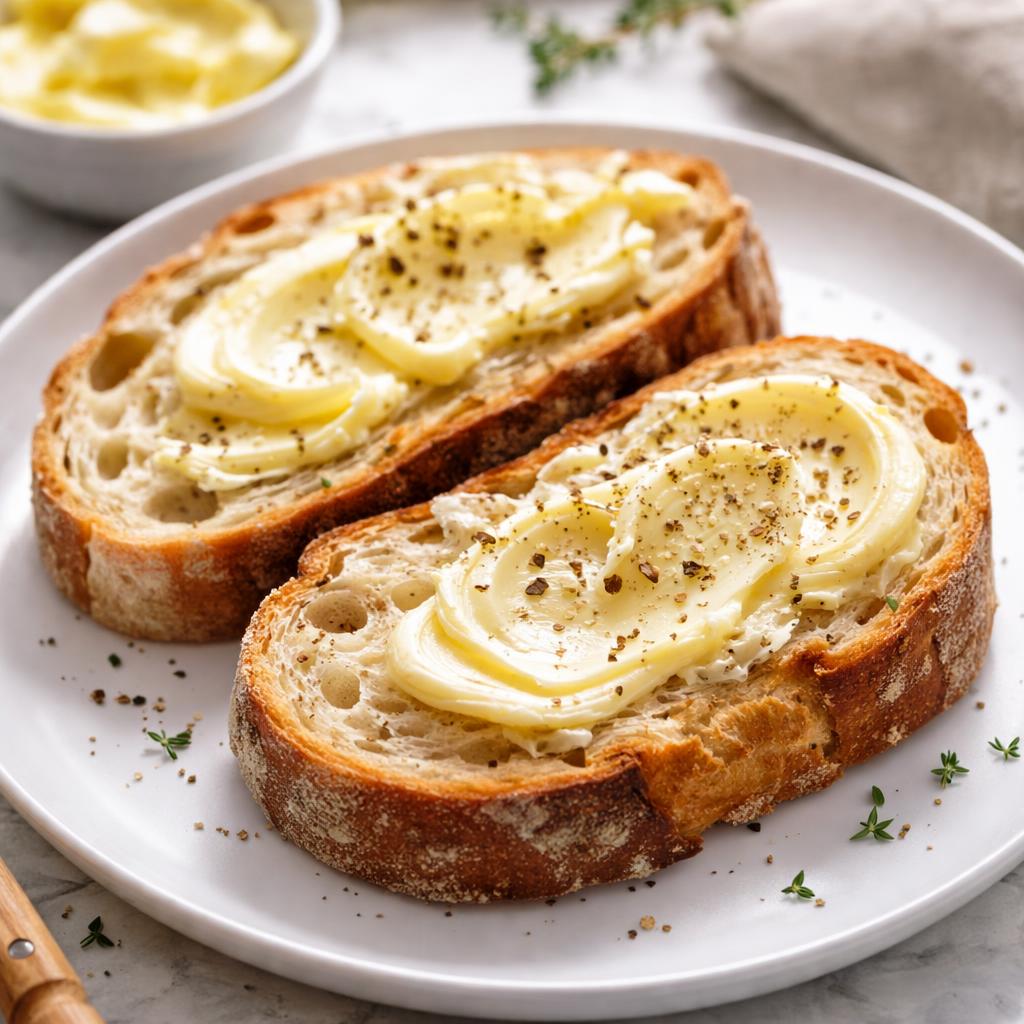
Bread With Butter
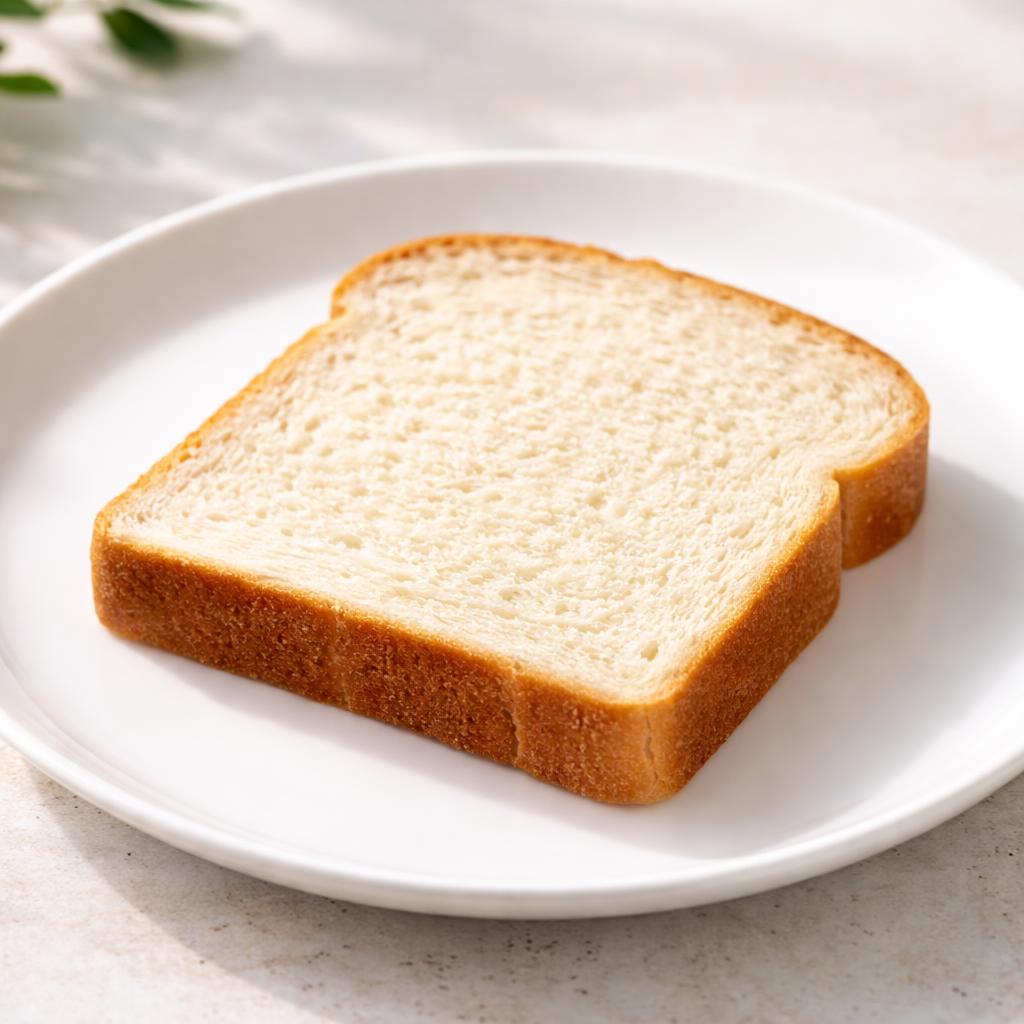
Slice Of White Bread
🎯 Quick Verdict
Bread with butter is higher in calories and fat due to the butter, while white bread alone is lower-calorie and fat-free but less nutrient-rich. Bread with butter is best for energy-dense snacks or meals, whereas plain white bread suits low-calorie diets or simpler meal prep strategies.

Smart Nutrition Tracking with SnapCalorie

📊 Nutritional Comparison
Macronutrients
| Nutrient | Food 1 | Food 2 | Winner |
|---|---|---|---|
| Calories | 150 | 70 | ✓ |
| Protein | 2.5g | 2.5g | − |
| Carbs | 12g | 14g | ✓ |
| Fat | 10g | 0g | ✓ |
| Fiber | 0.5g | 0.5g | − |
Vitamins & Minerals
| Nutrient | Food 1 | Food 2 | Winner |
|---|---|---|---|
| Vitamin D | 0.2mcg | 0mcg | ✓ |
| Calcium | 20mg | 6mg | ✓ |
| Iron | 0.7mg | 0.6mg | ✓ |
🏆 Category Winners
Protein
Both food1 and food2 contain roughly the same amount of protein per serving.
Fiber
Both foods provide about 0.5g of fiber per serving.
Calories
Food2 (white bread slice) contains 53% fewer calories compared to bread with butter.
Vitamins
Food1 has slightly more vitamins and minerals, including calcium, vitamin D, and iron.
🥗 Diet Compatibility
Keto
Food 1: Not Compatible
Food 2: Not Compatible
Both are high in carbs, making them unsuitable for a keto diet.
Vegan
Food 1: Not Compatible
Food 2: Compatible
Bread alone is vegan, while butter adds animal-derived content to food1.
Gluten Free
Food 1: Not Compatible
Food 2: Not Compatible
Both foods contain gluten from wheat.
Paleo
Food 1: Not Compatible
Food 2: Not Compatible
Neither food complies with paleo guidelines due to refined grains and dairy.
Low Carb
Food 1: Not Compatible
Food 2: Not Compatible
Both foods are carbohydrate-heavy, making them incompatible with low-carb diets.
💪 Health Benefits Comparison
Food 1 Benefits
- Provides energy-dense calories suitable for active lifestyles
- Contains fat for improved flavor and satiety
- Offers small amounts of calcium and vitamin D
Food 2 Benefits
- Lower in calories, supporting weight management
- Provides fast-digesting carbs for quick energy
- Simple and versatile ingredient for meal prep
✅ The Bottom Line
Choose bread with butter for comfort foods, energy-dense snacks, or adding flavor; opt for plain white bread when looking for a lower-calorie, no-fat option or simple carbs for energy boosts.
Choose Food 1 for: Energy-dense meals, satiety enhancement, quick snack options
Choose Food 2 for: Weight management, lower-calorie diets, quick-digest carbs


