Bread VS Wine
A detailed nutritional comparison
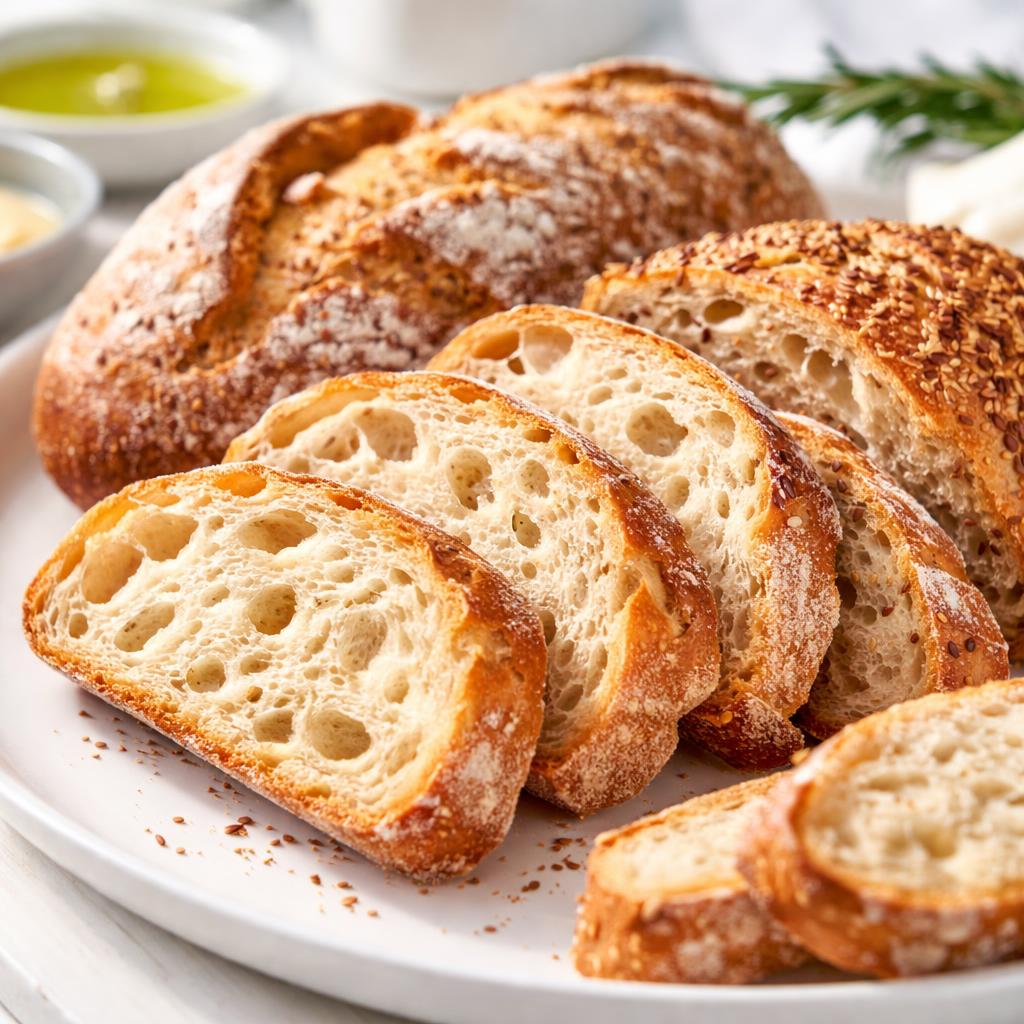
Bread
Wine
🎯 Quick Verdict
Bread and wine are fundamentally different foods with distinct roles in meals. Bread is higher in protein and fiber, making it more filling, while wine contains fewer calories per serving and offers antioxidants. Bread is better suited for energy and gut health, whereas wine can complement meals in moderation with heart-health benefits due to its polyphenols.

Smart Nutrition Tracking with SnapCalorie

📊 Nutritional Comparison
Macronutrients
| Nutrient | Food 1 | Food 2 | Winner |
|---|---|---|---|
| Calories | 80 per slice (30g) | 120 per glass (150ml) | ✓ |
| Protein | 3g | 0.1g | ✓ |
| Carbs | 15g | 3.8g | ✓ |
| Fat | 1g | 0g | ✓ |
| Fiber | 1g | 0g | ✓ |
Vitamins & Minerals
| Nutrient | Food 1 | Food 2 | Winner |
|---|---|---|---|
| B Vitamins (B1, B6) | 10% DV | 1% DV | ✓ |
| Vitamin C | 0% | 3% | ✓ |
| Iron | 1mg | 0.5mg | ✓ |
| Potassium | 75mg | 127mg | ✓ |
🏆 Category Winners
Protein
Bread has 30 times more protein per serving.
Fiber
Bread contains 1g of fiber while wine contains none.
Calories
Wine has fewer calories (when compared by weight).
Vitamins
Wine offers antioxidants and slightly higher potassium levels.
🥗 Diet Compatibility
Keto
Food 1: Not Compatible
Food 2: Compatible
Wine is lower in carbs compared to bread.
Vegan
Food 1: Compatible
Food 2: Compatible
Both foods are plant-based.
Gluten Free
Food 1: Not Compatible
Food 2: Compatible
Bread generally contains gluten.
Paleo
Food 1: Not Compatible
Food 2: Compatible
Wine fits paleo guidelines, bread does not.
Low-Carb
Food 1: Not Compatible
Food 2: Compatible
Wine contains significantly fewer carbs.
💪 Health Benefits Comparison
Food 1 Benefits
- Provides energy with its carbohydrate content
- Contains B vitamins essential for metabolism
- Offers fiber to support digestive health
- Contains some iron for blood health
Food 2 Benefits
- Rich in antioxidants (especially red wine)
- Promotes heart health in moderate servings
- Contains potassium, beneficial for nerve and muscle function
- May reduce inflammation when consumed responsibly
✅ The Bottom Line
Choose bread for energy, protein, and digestive benefits, making it ideal for meals or snacks. Wine is best consumed in moderation as a complementary beverage for antioxidant and heart-health support. Bread suits daily nutrition needs, while wine is more of a lifestyle indulgence.
Choose Food 1 for: Everyday meals, fiber intake, sustained energy
Choose Food 2 for: Antioxidants, social occasions, heart-health support


