Bread VS Whole Wheat Wrap
A detailed nutritional comparison
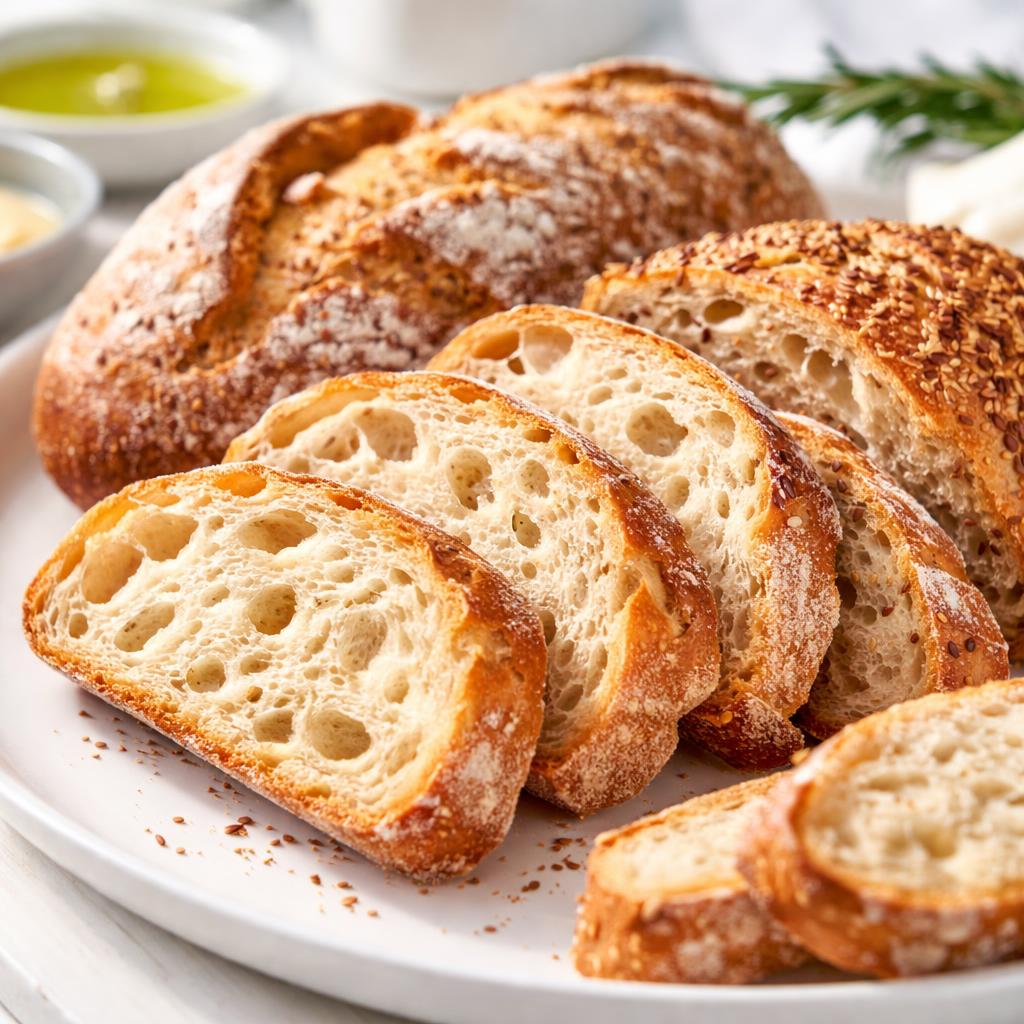
Bread
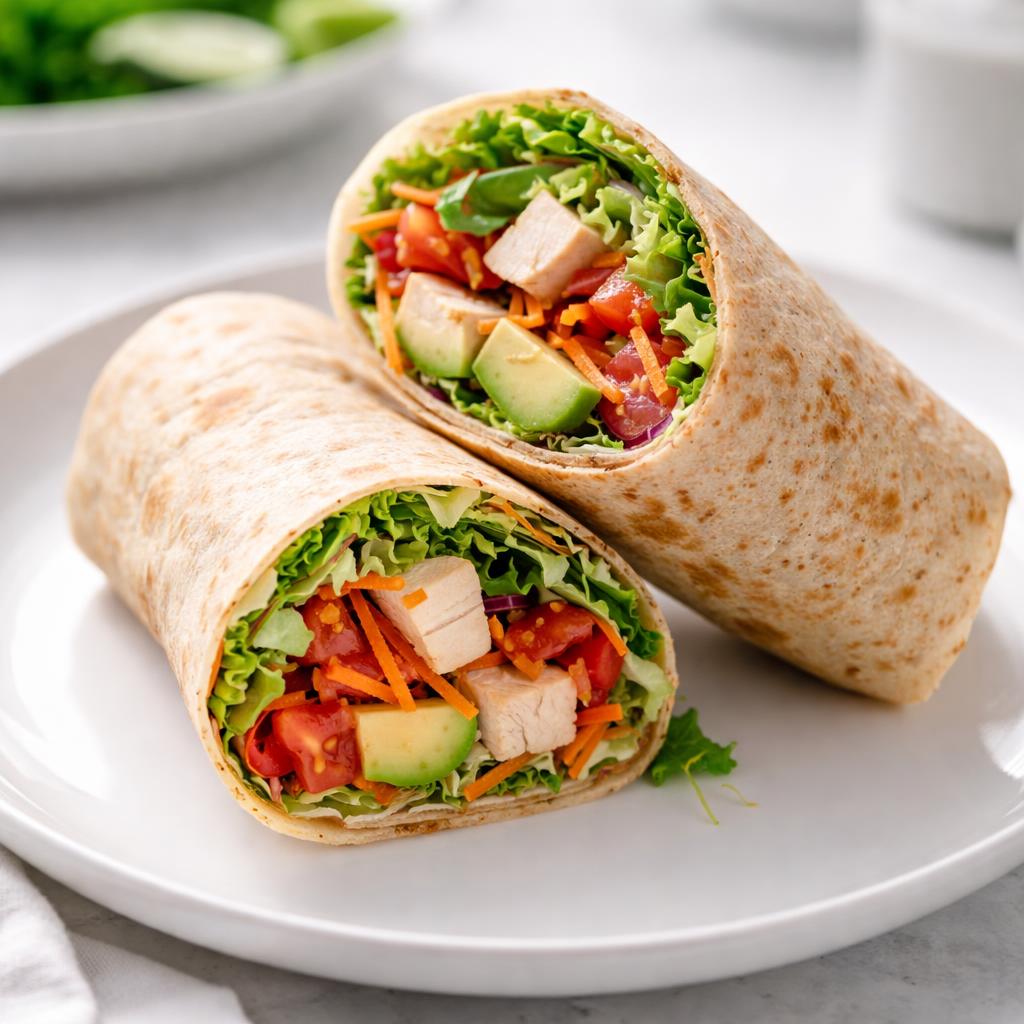
Whole Wheat Wrap
🎯 Quick Verdict
The whole wheat wrap is the clear winner for health-conscious choices, offering more protein, fiber, and fewer calories compared to bread. Bread may be preferred for variety or traditional uses like sandwiches, while the wrap excels in nutrient density and balanced macros.

Smart Nutrition Tracking with SnapCalorie

📊 Nutritional Comparison
Macronutrients
| Nutrient | Food 1 | Food 2 | Winner |
|---|---|---|---|
| Calories | 150 per slice | 120 per wrap | ✓ |
| Protein | 4g per slice | 7g per wrap | ✓ |
| Carbs | 25g per slice | 20g per wrap | ✓ |
| Fat | 1g per slice | 3g per wrap | ✓ |
| Fiber | 2g per slice | 7g per wrap | ✓ |
Vitamins & Minerals
| Nutrient | Food 1 | Food 2 | Winner |
|---|---|---|---|
| Vitamin B6 | 0.05mg | 0.2mg | ✓ |
| Iron | 0.5mg | 1.5mg | ✓ |
| Calcium | 25mg | 50mg | ✓ |
🏆 Category Winners
Protein
Food2 contains nearly twice as much protein as Food1 per serving.
Fiber
Food2 offers three times more fiber, supporting digestive health.
Calories
Food2 has 20% fewer calories per serving.
Vitamins
Food2 is richer in key micronutrients like iron and vitamin B6.
🥗 Diet Compatibility
Keto
Food 1: Not Compatible
Food 2: Not Compatible
Both are too high in carbs for keto diets.
Vegan
Food 1: Compatible
Food 2: Compatible
Both are plant-based and vegan-friendly.
Gluten Free
Food 1: Not Compatible
Food 2: Not Compatible
Neither is gluten-free.
Paleo
Food 1: Not Compatible
Food 2: Not Compatible
Neither fits into paleo guidelines as they are grain-based.
Low-Carb
Food 1: Not Compatible
Food 2: Moderately Compatible
Food2 has lower net carbs but may still be unsuitable for strict low-carb diets.
💪 Health Benefits Comparison
Food 1 Benefits
- Quick energy source from carbs
- Convenient for traditional recipes
- Low fat content
Food 2 Benefits
- High in fiber for better digestion
- Rich in protein for muscle support
- Contains essential vitamins and minerals
✅ The Bottom Line
The whole wheat wrap is nutritionally superior, offering higher protein, fiber, and fewer calories, making it ideal for weight management and healthier eating. Bread is better for traditional uses and may suit those looking for quick, affordable energy.
Choose Food 1 for: Traditional recipes, quick energy needs, affordability
Choose Food 2 for: Weight loss, balanced nutrition, high-protein and high-fiber diets


