Bread VS Whole Wheat Bun
A detailed nutritional comparison

Bread
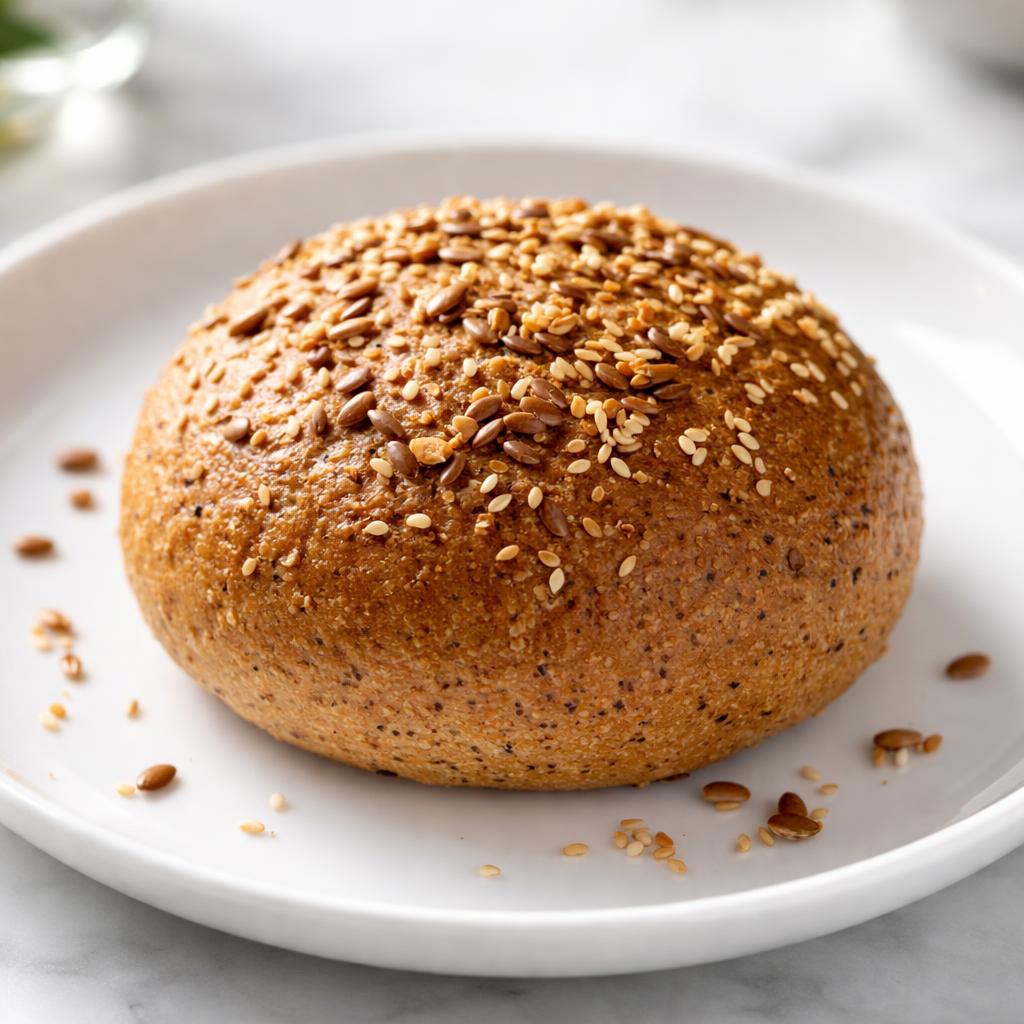
Whole Wheat Bun
🎯 Quick Verdict
Whole wheat buns generally outperform bread in terms of fiber and nutrient density, making them a better choice for heart health and digestion. Bread is lower in calories, which may be ideal for weight management or specific low-calorie diets. Both foods are versatile and can fit into several dietary plans, depending on individual needs or preferences.

Smart Nutrition Tracking with SnapCalorie

📊 Nutritional Comparison
Macronutrients
| Nutrient | Food 1 | Food 2 | Winner |
|---|---|---|---|
| Calories | 120 | 140 | ✓ |
| Protein | 4g | 4g | − |
| Carbs | 22g | 26g | ✓ |
| Fat | 1.5g | 2g | ✓ |
| Fiber | 1g | 3g | ✓ |
Vitamins & Minerals
| Nutrient | Food 1 | Food 2 | Winner |
|---|---|---|---|
| Vitamin D | 0mcg | 0mcg | − |
| Calcium | 50mg | 80mg | ✓ |
| Iron | 0.7mg | 1.5mg | ✓ |
🏆 Category Winners
Protein
Both foods provide 4g of protein per serving.
Fiber
Whole wheat buns contain 3g of fiber, triple the amount in bread.
Calories
Bread has 20 fewer calories, which makes it lower overall.
Vitamins
Whole wheat buns are richer in calcium and iron.
🥗 Diet Compatibility
Keto
Food 1: Not Compatible
Food 2: Not Compatible
Both are carb-heavy and unsuitable for keto diets.
Vegan
Food 1: Compatible
Food 2: Compatible
Both are plant-based and free of animal products.
Gluten Free
Food 1: Not Compatible
Food 2: Not Compatible
Both contain gluten from wheat.
Paleo
Food 1: Not Compatible
Food 2: Not Compatible
Both foods are processed grains, which are excluded in paleo diets.
Low Carb
Food 1: Not Compatible
Food 2: Not Compatible
Neither is low-carb due to their high carbohydrate content.
💪 Health Benefits Comparison
Food 1 Benefits
- Lower in calories, beneficial for weight management
- Provides quick energy from carbs
- Can be fortified with nutrients for better dietary balance
Food 2 Benefits
- Higher fiber content aids in digestion
- Richer in calcium and iron for bone and blood health
- More nutrient-dense for overall health support
✅ The Bottom Line
Bread is lighter on calories and a good option for low-calorie meals or easy carb sources. Whole wheat buns, on the other hand, are more nutrient-dense and offer greater fiber content, making them a better choice for heart health and digestion. Both are versatile staples depending on your dietary goals.
Choose Food 1 for: Low-calorie meals, quick energy, snack sandwiches
Choose Food 2 for: Fiber intake, nutrient density, healthy burger or sandwich base


