Bread VS Sub Sandwich
A detailed nutritional comparison
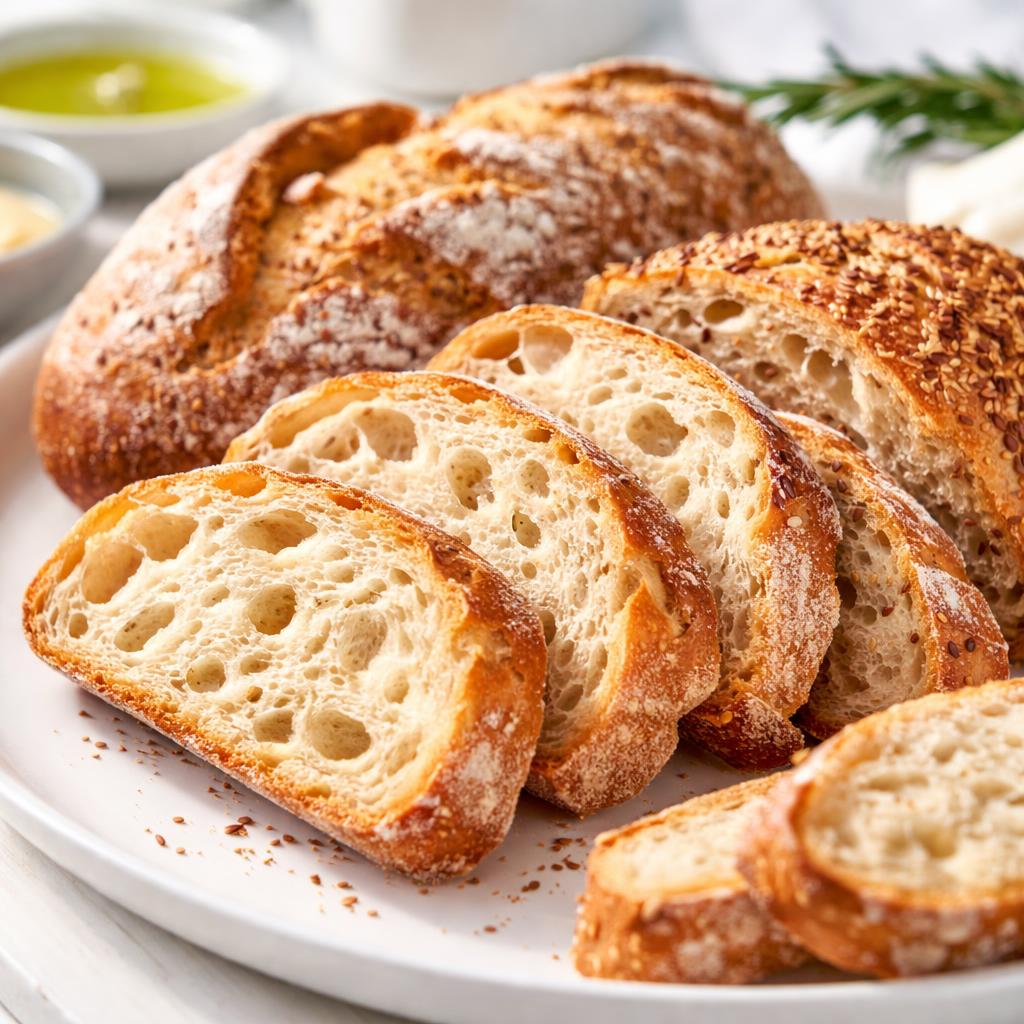
Bread
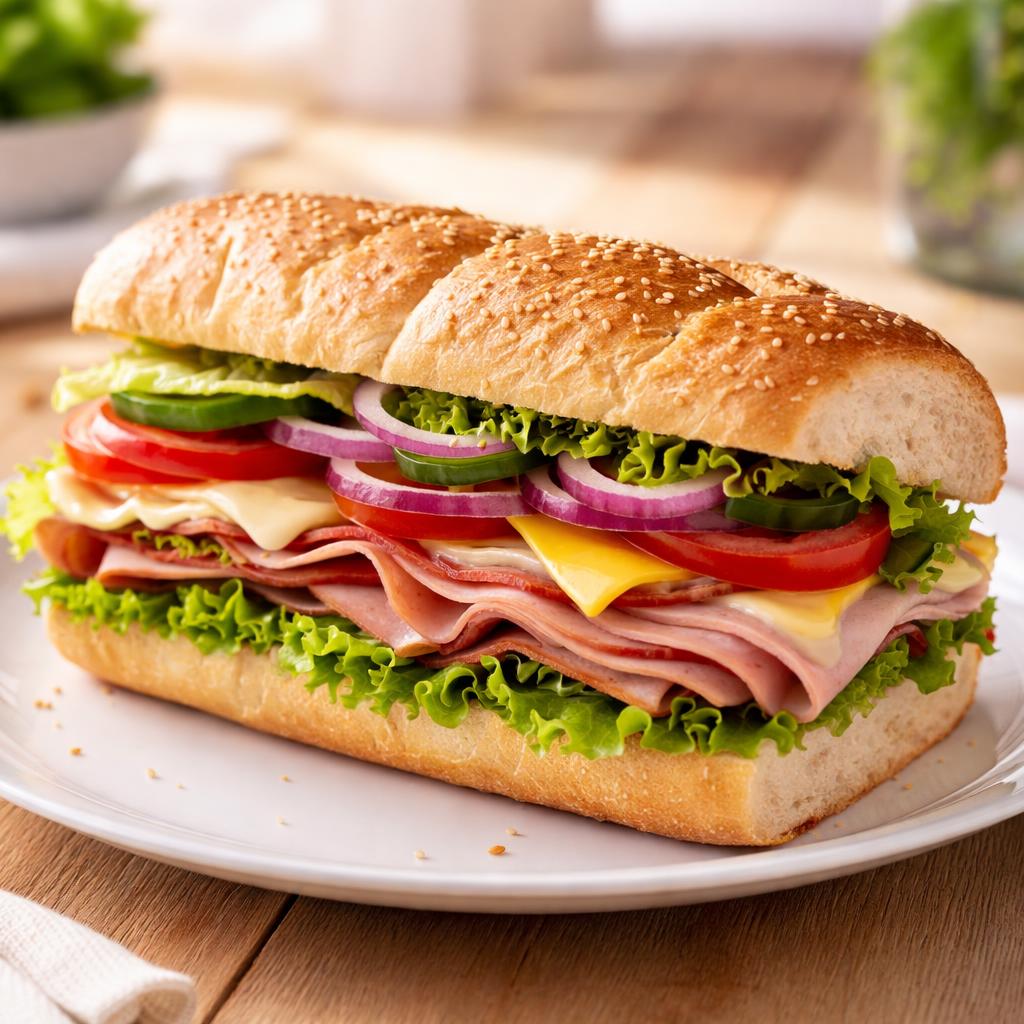
Sub Sandwich
🎯 Quick Verdict
Bread is a simpler, lower-calorie option with basic nutrients, while a sub sandwich offers more protein and a wider range of nutrients due to added fillings (like meats, vegetables, and cheeses). Bread is best for minimalist meals or lower-calorie diets, while a sub sandwich works better for balanced, nutrient-dense meals including proteins and fats.

Smart Nutrition Tracking with SnapCalorie

📊 Nutritional Comparison
Macronutrients
| Nutrient | Food 1 | Food 2 | Winner |
|---|---|---|---|
| Calories | 120 (plain slice) | 300 (6-inch sub sandwich) | ✓ |
| Protein | 4g | 15g | ✓ |
| Carbs | 22g | 40g | ✓ |
| Fat | 1g | 10g | ✓ |
| Fiber | 2g | 2g | − |
Vitamins & Minerals
| Nutrient | Food 1 | Food 2 | Winner |
|---|---|---|---|
| Vitamin C | 0mg | 4mg (from veggies) | ✓ |
| Calcium | 35mg | 150mg (from cheese/meat) | ✓ |
| Iron | 1mg | 2mg | ✓ |
🏆 Category Winners
Protein
Food2 provides over 3x more protein due to added meat and cheese.
Fiber
Both foods contain 2g of fiber per serving.
Calories
Food1 has significantly fewer calories, a benefit for weight management.
Vitamins
Food2 provides a broader range of vitamins like Vitamin C from vegetables and added calcium and iron.
🥗 Diet Compatibility
Keto
Food 1: Not Compatible
Food 2: Not Compatible
Both are high-carb foods.
Vegan
Food 1: Depends on ingredients
Food 2: Not Compatible
Food1 can be vegan if made without dairy ingredients, but Food2 typically contains meat and cheese.
Gluten Free
Food 1: Not Compatible
Food 2: Not Compatible
Both are made with wheat-based bread.
Paleo
Food 1: Not Compatible
Food 2: Not Compatible
Both are grain-based and not suitable for paleo diets.
Low-Carb
Food 1: Not Compatible
Food 2: Not Compatible
Both foods are relatively high in carbohydrates.
💪 Health Benefits Comparison
Food 1 Benefits
- Low in calories, ideal for weight management
- Simple carbohydrate source for quick energy
- Contains some B vitamins depending on enrichment
Food 2 Benefits
- Rich in protein for muscle building due to meat/cheese fillings
- Good source of calcium and iron for bone and blood health
- Offers antioxidants and Vitamin C when loaded with vegetables
✅ The Bottom Line
Choose food1 (bread) for a calorie-conscious, simple meal or snack. Opt for food2 (sub sandwich) when you need a more nutritionally balanced and protein-rich meal. Food2 adds value with vitamins and minerals from its diverse ingredients but comes with higher calories.
Choose Food 1 for: Weight management, quick energy snacks, minimalistic meals
Choose Food 2 for: Balanced meals, post-workout recovery, sustained energy


