Bread VS Sourdough Rye Bread
A detailed nutritional comparison

Bread
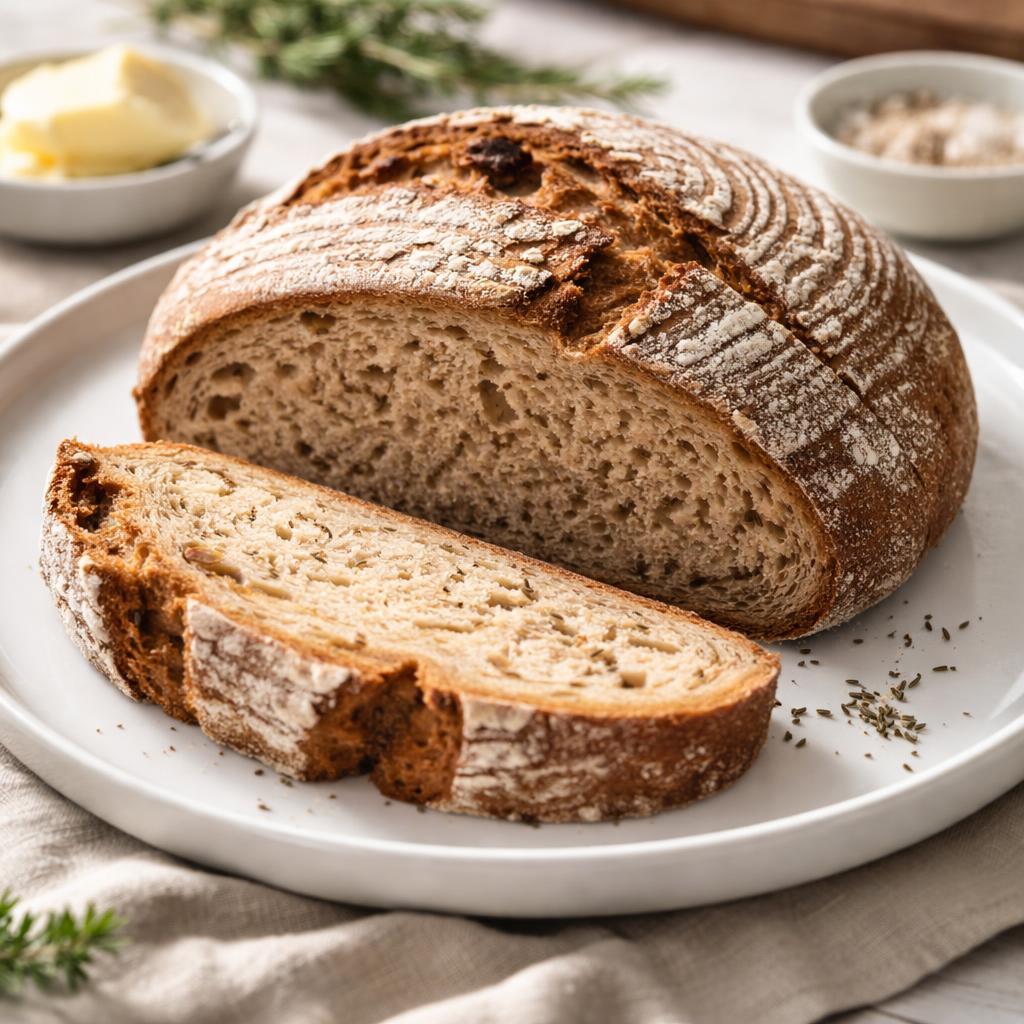
Sourdough Rye Bread
🎯 Quick Verdict
Sourdough rye bread offers a slight edge in fiber content (3g vs 2g per slice) and has benefits from fermentation, making it more digestible. Regular bread is similar in calories and protein but typically lacks the fermented properties that enhance nutrient absorption. Bread is versatile for general use, while sourdough rye is ideal for those seeking more fiber and gut health benefits.

Smart Nutrition Tracking with SnapCalorie

📊 Nutritional Comparison
Macronutrients
| Nutrient | Food 1 | Food 2 | Winner |
|---|---|---|---|
| Calories | 80 | 80 | − |
| Protein | 3g | 3g | − |
| Carbs | 15g | 15g | − |
| Fat | 1g | 1g | − |
| Fiber | 2g | 3g | − |
Vitamins & Minerals
| Nutrient | Food 1 | Food 2 | Winner |
|---|---|---|---|
| Vitamin B1 (Thiamine) | 0.2mg | 0.3mg | − |
| Vitamin B2 (Riboflavin) | 0.05mg | 0.1mg | − |
| Iron | 1mg | 1mg | − |
🏆 Category Winners
Protein
Both bread types provide 3g of protein per serving.
Fiber
Sourdough rye bread has 50% more fiber than regular bread.
Calories
Both breads are similar in caloric content, at 80 kcal per slice.
Vitamins
Sourdough rye bread is slightly higher in B-vitamins for energy production.
🥗 Diet Compatibility
Keto
Food 1: Not Compatible
Food 2: Not Compatible
Both are high in carbohydrates.
Vegan
Food 1: Compatible
Food 2: Compatible
Both are plant-based breads with no animal byproducts.
Gluten Free
Food 1: Not Compatible
Food 2: Not Compatible
Neither bread is gluten-free due to wheat and rye content.
Paleo
Food 1: Not Compatible
Food 2: Not Compatible
Grain-based breads do not fit the paleo diet.
Low-Carb
Food 1: Not Compatible
Food 2: Not Compatible
15g of carbs per slice makes both not ideal for low-carb dieting.
💪 Health Benefits Comparison
Food 1 Benefits
- Convenient and versatile basic carb source
- Provides small amounts of B-vitamins for energy
- Contains iron for oxygen transport in the body
- Low in fat and relatively low calorie
Food 2 Benefits
- Higher fiber content supports digestion and gut health
- Fermented sourdough offers enhanced nutrient absorption
- Contains higher levels of B-vitamins for better energy metabolism
- May be more digestible for individuals with mild gluten sensitivities
✅ The Bottom Line
Choose sourdough rye bread if you're looking for fiber, better digestion, and added B-vitamins. Regular bread is a more budget-friendly and versatile option for general needs. Both are calorie-efficient but sourdough rye offers additional gut health benefits thanks to its fermentation process.
Choose Food 1 for: Affordable everyday use, basic sandwiches, quick energy source
Choose Food 2 for: Gut health, fiber-rich diets, nutrient-dense meals


