Bread VS Raisins
A detailed nutritional comparison
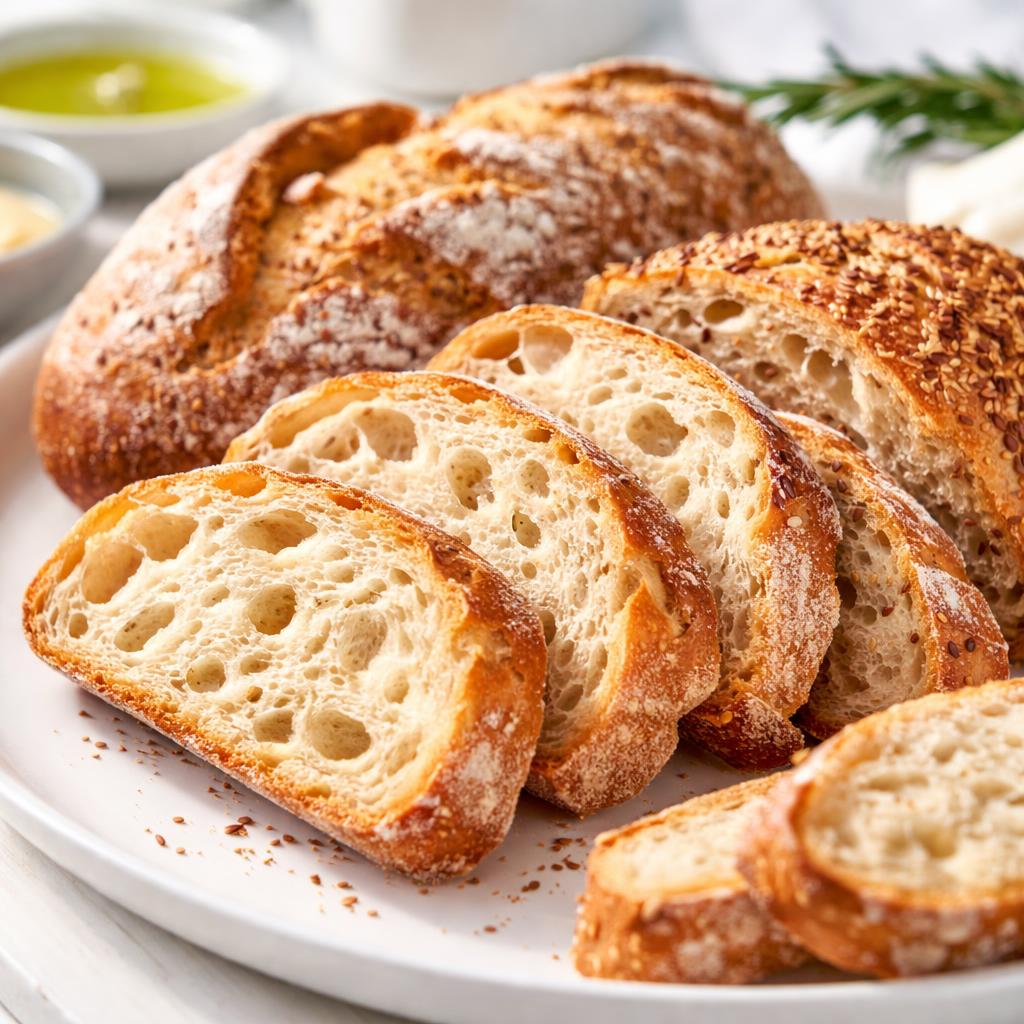
Bread
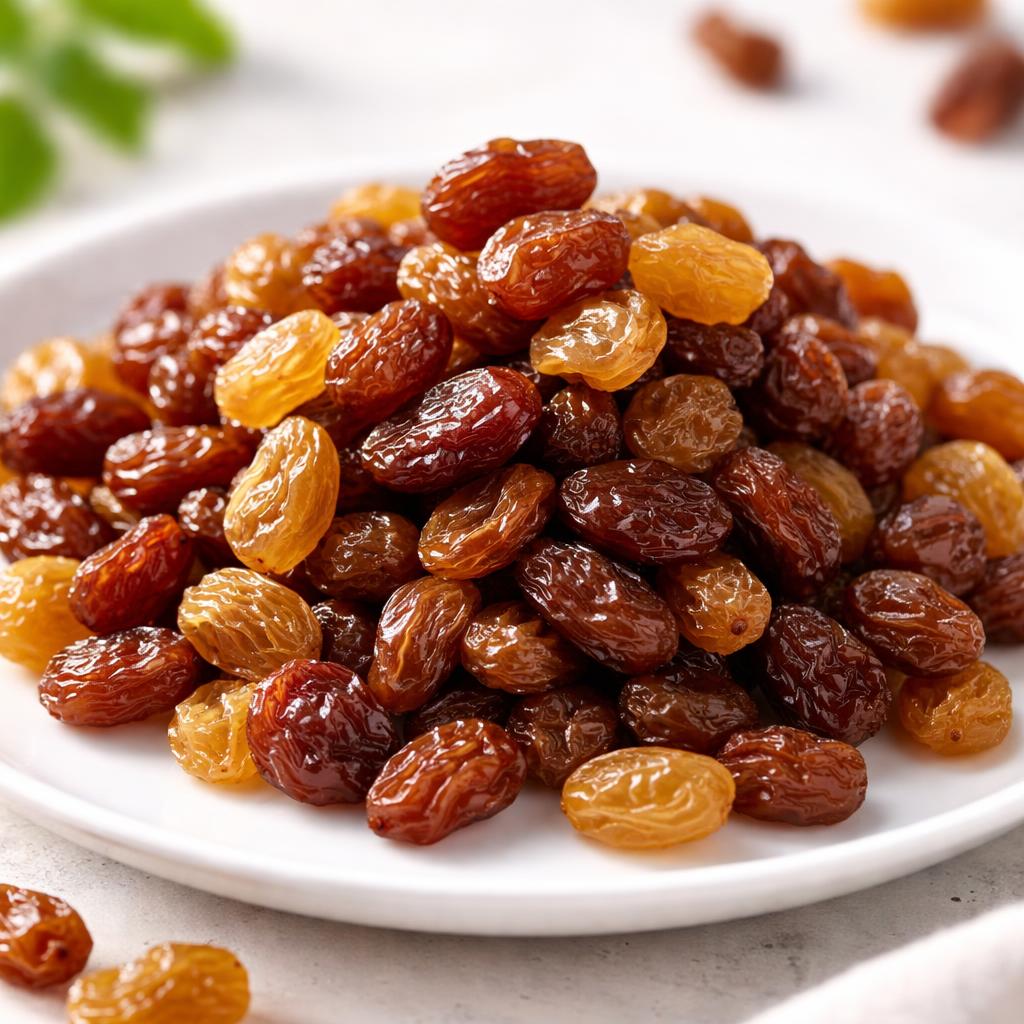
Raisins
🎯 Quick Verdict
Bread and raisins serve very different nutritional purposes. Bread is higher in protein and lower in calories compared to raisins, making it a practical option for sandwich bases or as a carbohydrate source in balanced meals. Raisins are packed with fiber and natural sugars, making them a great snack for sustained energy or adding sweetness to dishes, though they are higher in calories due to their concentrated sugar content.

Smart Nutrition Tracking with SnapCalorie

📊 Nutritional Comparison
Macronutrients
| Nutrient | Food 1 | Food 2 | Winner |
|---|---|---|---|
| Calories | 79 per slice (white bread) | 120 per 1/4 cup | ✓ |
| Protein | 2.7g per slice | 1g per 1/4 cup | ✓ |
| Carbs | 15g per slice | 34g per 1/4 cup | ✓ |
| Fat | 1g per slice | 0.2g per 1/4 cup | ✓ |
| Fiber | 0.7g per slice | 1.6g per 1/4 cup | ✓ |
Vitamins & Minerals
| Nutrient | Food 1 | Food 2 | Winner |
|---|---|---|---|
| Vitamin C | 0mg | 0.8mg | ✓ |
| Calcium | 40mg | 18mg | ✓ |
| Iron | 0.9mg | 0.7mg | ✓ |
🏆 Category Winners
Protein
Bread contains significantly more protein, with 2.7g per slice versus 1g per serving of raisins.
Fiber
Raisins provide more dietary fiber, contributing 1.6g per serving compared to 0.7g for bread.
Calories
Bread typically has fewer calories per serving compared to raisins.
Vitamins
Raisins contain a modest amount of vitamin C whereas bread contains none.
🥗 Diet Compatibility
Keto
Food 1: Not Compatible
Food 2: Not Compatible
Both foods are high in carbohydrates, making them unsuitable for a keto diet.
Vegan
Food 1: Compatible
Food 2: Compatible
Both bread (if made without dairy) and raisins are vegan-friendly.
Gluten Free
Food 1: Not Compatible
Food 2: Compatible
Bread typically contains gluten, but raisins are naturally gluten-free.
Paleo
Food 1: Not Compatible
Food 2: Compatible
Raisins align with paleo principles, while bread does not (due to its processed nature).
Low-Carb
Food 1: Not Compatible
Food 2: Not Compatible
Both bread and raisins are high in carbohydrates, which exclude them from low-carb diets.
💪 Health Benefits Comparison
Food 1 Benefits
- Provides a balanced source of carbohydrates for energy
- Contains small amounts of protein for muscle maintenance
- Iron and calcium support bone health
Food 2 Benefits
- Rich in dietary fiber for improved digestion
- Provides natural sugars for sustained energy
- Contains antioxidants that may boost overall health
✅ The Bottom Line
Bread and raisins are both valuable depending on your dietary goal. Bread is better suited for balanced meals, offering protein and lower calorie density, while raisins provide quick energy and fiber, serving as a nutrient-dense snack option. Their uses do not overlap much, but both can complement a well-rounded diet.
Choose Food 1 for: Balanced meals, sandwiches, high-protein diets
Choose Food 2 for: Quick energy, snacking, digestion support


