Bread VS Hash Browns
A detailed nutritional comparison
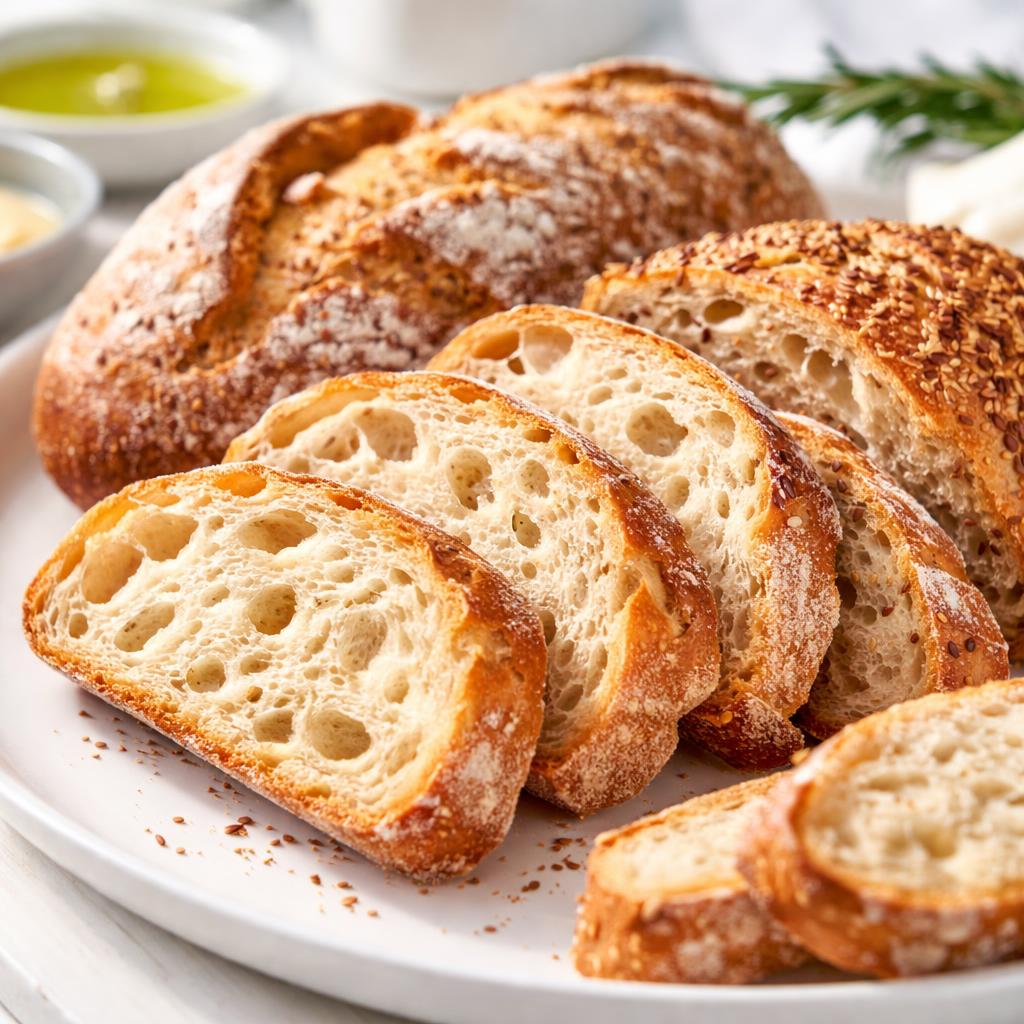
Bread
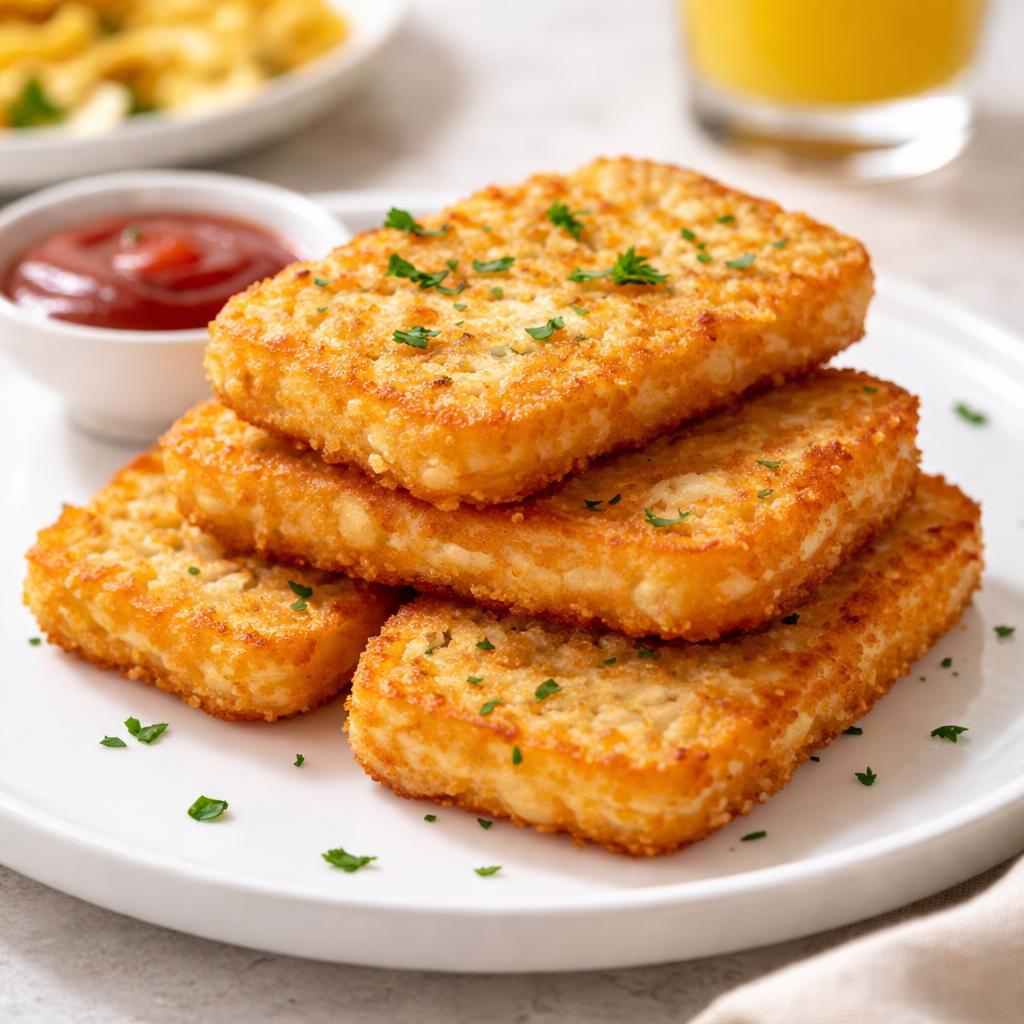
Hash Browns
🎯 Quick Verdict
Bread and hash browns differ significantly in nutritional profile. Bread has fewer calories, higher protein, and more fiber, making it a better choice for weight management and digestion. Hash browns provide more healthy fats and are a better option when looking for energy-dense, comfort food. Bread is versatile for sandwiches and snacks, while hash browns are great as a side dish or breakfast option.

Smart Nutrition Tracking with SnapCalorie

📊 Nutritional Comparison
Macronutrients
| Nutrient | Food 1 | Food 2 | Winner |
|---|---|---|---|
| Calories | 80 (per slice) | 125 (per patty) | ✓ |
| Protein | 3g | 1g | ✓ |
| Carbs | 15g | 22g | ✓ |
| Fat | 1g | 6g | ✓ |
| Fiber | 1.5g | 1g | ✓ |
Vitamins & Minerals
| Nutrient | Food 1 | Food 2 | Winner |
|---|---|---|---|
| Vitamin C | 0mg | 4mg | ✓ |
| Vitamin B6 | 0.02mg | 0.13mg | ✓ |
| Iron | 0.9mg | 0.4mg | ✓ |
| Potassium | 30mg | 280mg | ✓ |
🏆 Category Winners
Protein
Bread has 200% more protein compared to hash browns.
Fiber
Bread has 50% more fiber, aiding digestion.
Calories
Bread contains 36% fewer calories per serving.
Vitamins
Hash browns are richer in Vitamin C, B6, and potassium.
🥗 Diet Compatibility
Keto
Food 1: Not Compatible
Food 2: Not Compatible
Both foods are high in carbs.
Vegan
Food 1: Depends on ingredients
Food 2: Depends on preparation
Bread may contain dairy or eggs, hash browns may use butter.
Gluten Free
Food 1: Not Compatible
Food 2: Compatible
Bread contains gluten unless made with gluten-free flour.
Paleo
Food 1: Not Compatible
Food 2: Not Compatible
Both foods contain ingredients not allowed on paleo diet (grains, refined oils).
Low-Carb
Food 1: Not Compatible
Food 2: Not Compatible
Both foods are carb-dense.
💪 Health Benefits Comparison
Food 1 Benefits
- Provides a moderate amount of protein for muscle maintenance.
- Contains fiber for improving digestion.
- Rich in iron to support oxygen transport in the body.
Food 2 Benefits
- Source of potassium for electrolyte balance and heart health.
- Contains Vitamin C to support the immune system.
- Provides Vitamin B6 for brain and metabolic health.
✅ The Bottom Line
Bread is the better option for someone looking for a low-calorie, higher-fiber food, and works well as part of a balanced meal or snack. Hash browns, while higher in calories and fat, offer energy-dense nutrition and are a better choice for comfort food or a filling side dish. The choice ultimately depends on dietary goals.
Choose Food 1 for: Weight management, high-fiber diets, simple snacks or sandwiches.
Choose Food 2 for: Energy-dense meals, comfort food cravings, potassium-rich diet plans.


