Bread VS Green Olives
A detailed nutritional comparison
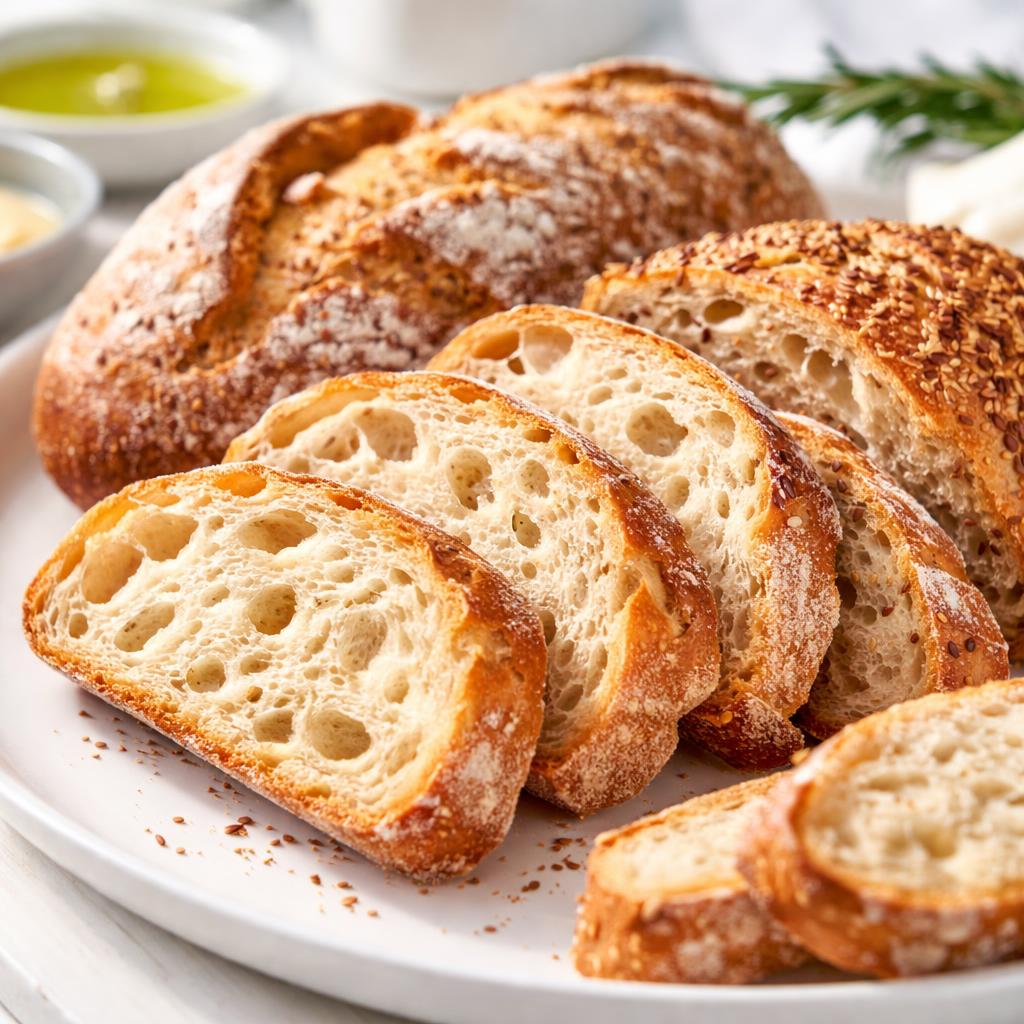
Bread
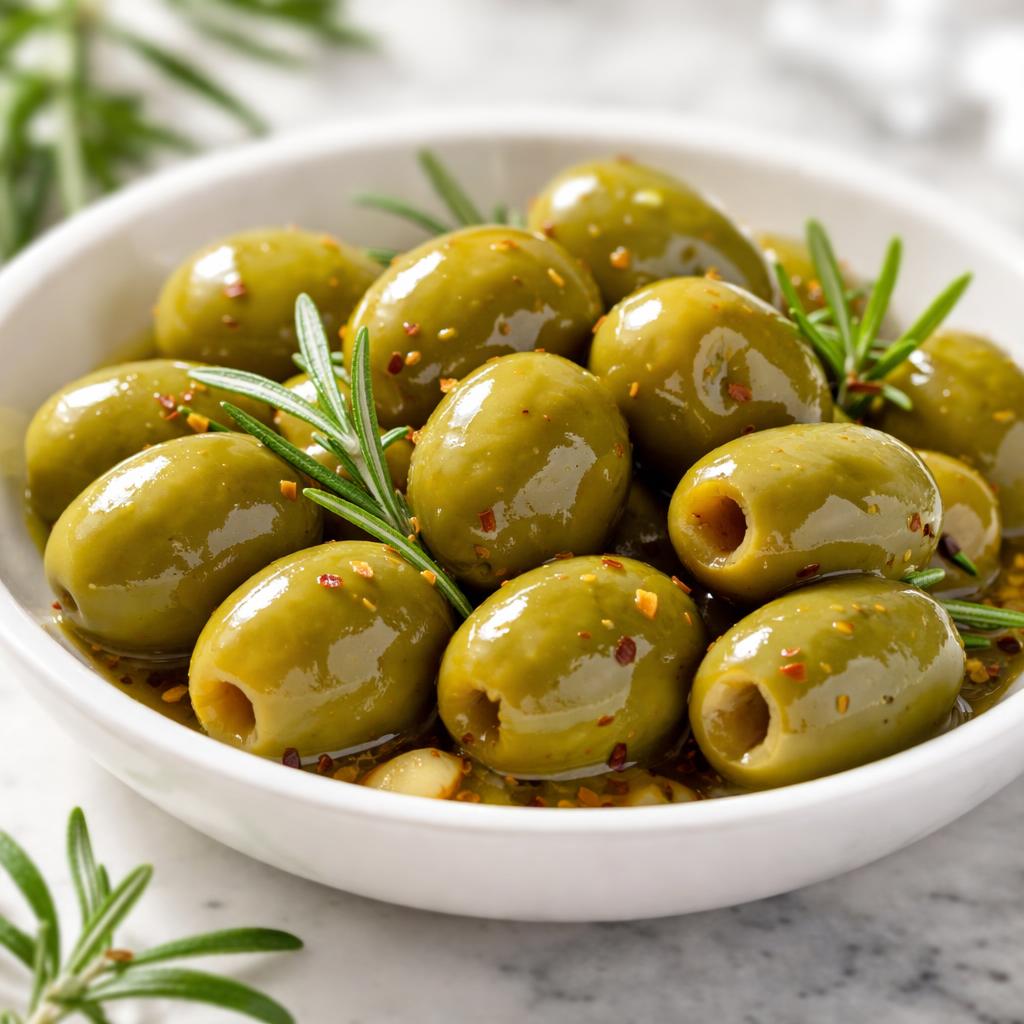
Green Olives
🎯 Quick Verdict
Bread and green olives differ significantly in their nutritional profiles. Bread is higher in protein and carbohydrates, making it suitable for energy and muscle maintenance. Green olives stand out for their lower calorie content, healthy fats, and nutrient density, making them better for heart health and low-calorie diets.

Smart Nutrition Tracking with SnapCalorie

📊 Nutritional Comparison
Macronutrients
| Nutrient | Food 1 | Food 2 | Winner |
|---|---|---|---|
| Calories | 220 per slice (43g) | 53 per 10 olives (35g) | ✓ |
| Protein | 5g | 0.4g | ✓ |
| Carbs | 40g | 1.5g | ✓ |
| Fat | 1g | 4.5g | ✓ |
| Fiber | 1.5g | 1.5g | − |
Vitamins & Minerals
| Nutrient | Food 1 | Food 2 | Winner |
|---|---|---|---|
| Vitamin E | 0.1mg | 1.1mg | ✓ |
| Vitamin B6 | 0.03mg | 0.05mg | ✓ |
| Iron | 2mg | 3.3mg | ✓ |
| Calcium | 15mg | 25mg | ✓ |
🏆 Category Winners
Protein
Bread contains significantly more protein (5g vs 0.4g per serving).
Fiber
Both foods provide an equal amount of fiber per serving (1.5g).
Calories
Green olives are much lower in calories (53 per serving vs 220 for bread).
🥗 Diet Compatibility
Keto
Food 1: Not Compatible
Food 2: Compatible
Green olives are low-carb and high-fat, ideal for keto diets.
Vegan
Food 1: Compatible
Food 2: Compatible
Both foods are plant-based and suitable for vegans.
Gluten Free
Food 1: Not Compatible
Food 2: Compatible
Bread typically contains gluten, while olives are naturally gluten-free.
Paleo
Food 1: Not Compatible
Food 2: Compatible
Bread is highly processed, while olives align with paleo principles as whole foods.
Low-Carb
Food 1: Not Compatible
Food 2: Compatible
Bread is high-carb (40g per serving), while olives are low-carb (1.5g per serving).
💪 Health Benefits Comparison
Food 1 Benefits
- High in carbohydrates for quick energy
- Provides moderate protein for muscle maintenance
- Contains small amounts of iron to support oxygen transport
Food 2 Benefits
- Rich in healthy fats for heart health
- Contains antioxidants like Vitamin E for cellular protection
- Good source of iron for improved energy levels
- Low in calories, ideal for weight management
✅ The Bottom Line
Bread is better suited for quick energy needs and muscle maintenance due to its carb and protein content, but it is less compatible with low-carb or restrictive diets. Green olives are a healthier choice for nutrient density, heart health, and weight management, making them ideal for keto, paleo, and low-calorie diets.
Choose Food 1 for: Quick energy, post-workout, pairing with meals
Choose Food 2 for: Heart health, weight management, adding flavor to low-carb diets


