Bread VS Frozen Berries
A detailed nutritional comparison
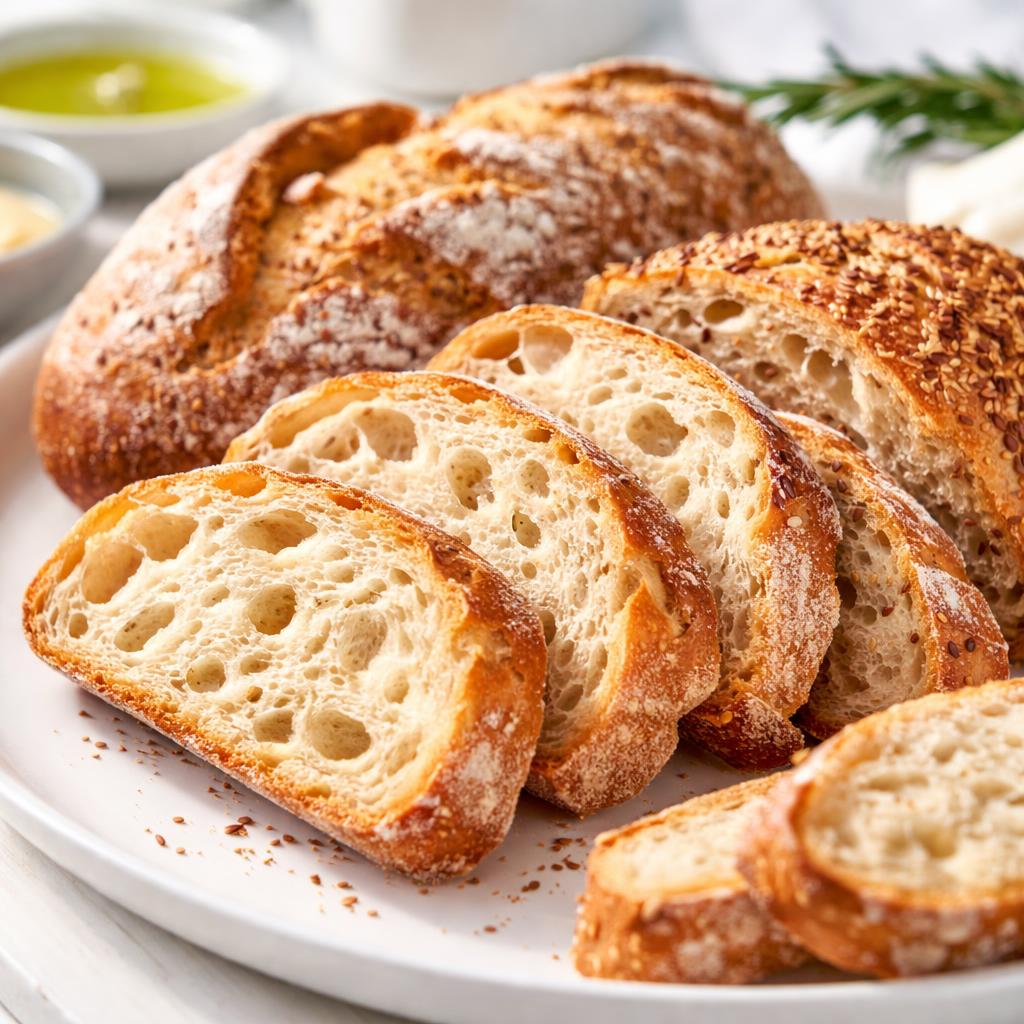
Bread
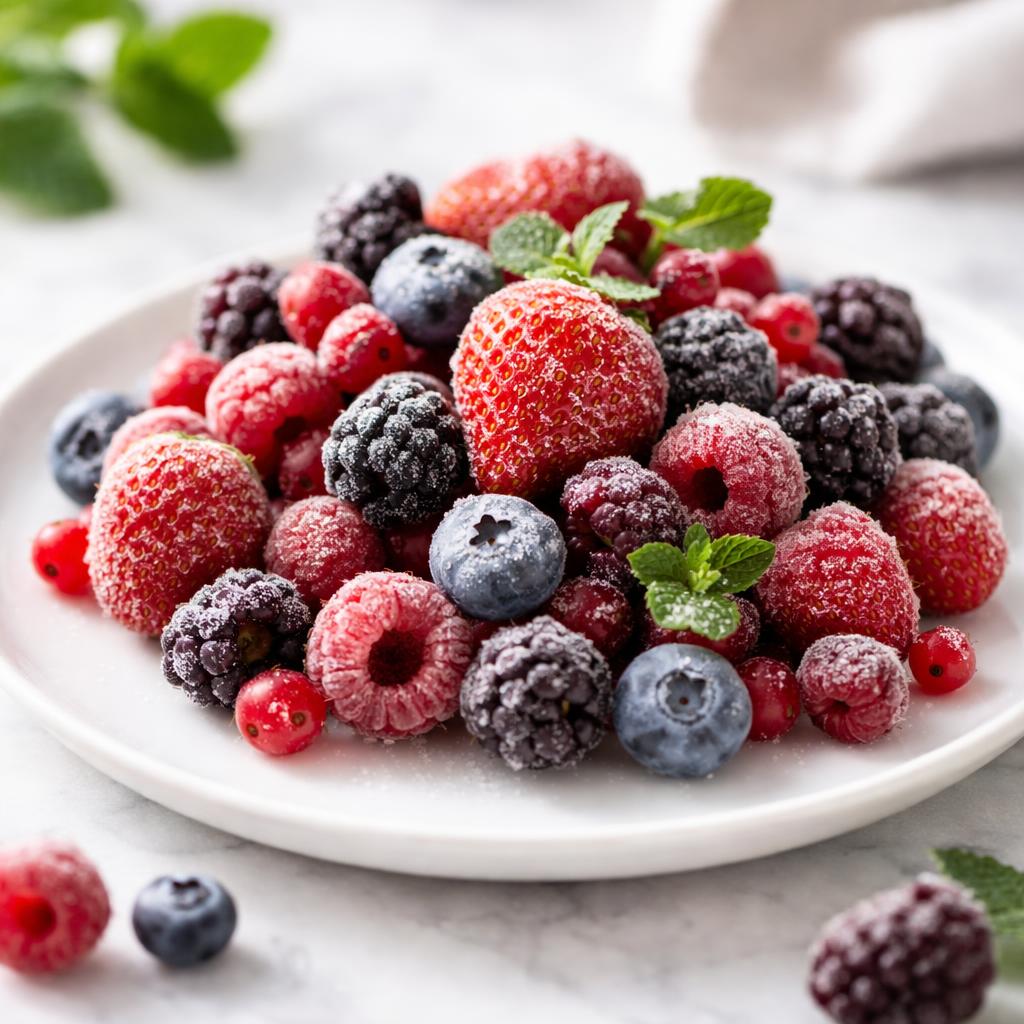
Frozen Berries
🎯 Quick Verdict
Frozen berries are lower in calories compared to bread and offer significantly more fiber and antioxidants, making them a better option for digestion and general health. Bread, on the other hand, is higher in protein and provides more energy per serving, making it suitable for activities requiring sustained fuel like workouts or busy schedules.

Smart Nutrition Tracking with SnapCalorie

📊 Nutritional Comparison
Macronutrients
| Nutrient | Food 1 | Food 2 | Winner |
|---|---|---|---|
| Calories | 265 (per 100g) | 60 (per 100g) | ✓ |
| Protein | 9g | 0.6g | ✓ |
| Carbs | 49g | 15g | ✓ |
| Fat | 4g | 0.3g | ✓ |
| Fiber | 2.7g | 4g | ✓ |
Vitamins & Minerals
| Nutrient | Food 1 | Food 2 | Winner |
|---|---|---|---|
| Vitamin C | 0mg | 40mg | ✓ |
| Vitamin D | 0mcg | 0mcg | − |
| Iron | 2.6mg | 0.7mg | ✓ |
| Calcium | 28mg | 15mg | ✓ |
🏆 Category Winners
Protein
Bread contains over 10x more protein than frozen berries.
Fiber
Frozen berries provide nearly 50% more fiber per serving.
Calories
Frozen berries have about 75% fewer calories than bread.
🥗 Diet Compatibility
Keto
Food 1: Not Compatible
Food 2: Compatible
Frozen berries are low-carb compared to bread.
Vegan
Food 1: Compatible
Food 2: Compatible
Both are plant-based.
Gluten Free
Food 1: Not Compatible
Food 2: Compatible
Bread contains gluten, frozen berries do not.
Paleo
Food 1: Not Compatible
Food 2: Compatible
Bread is processed, frozen berries fit paleo diets.
Low Carb
Food 1: Not Compatible
Food 2: Compatible
Frozen berries contain fewer carbs (15g vs 49g).
💪 Health Benefits Comparison
Food 1 Benefits
- Provides sustained energy due to high carbs
- Good source of iron for blood health
- Contains moderate protein for muscle repair
Food 2 Benefits
- Rich in antioxidants for preventing cell damage
- High in vitamin C to boost immunity
- Good source of fiber for digestive health
- Low calorie option for weight management
✅ The Bottom Line
Choose bread if you need quick, sustained energy or higher protein intake for physical activities. Frozen berries are ideal for weight management, digestion, and boosting antioxidants, making them a great snack for overall health improvement.
Choose Food 1 for: Energy boost, post-workout recovery, iron intake
Choose Food 2 for: Weight loss, digestion, immune health, antioxidant support


